
Dual Language Learners Reader Post #5: Models of Language Instruction
While the English-only movement in US schools has been flagging, debate over how to support DLLs’ development continues.
While the English-only movement in US schools has been flagging, debate over how to support DLLs’ development continues.

Universal pre-K expands enrollment to students of different socioeconomic levels and races, but does not always improve at classroom-level.

A growing body of research has shown the potential cognitive, cultural, and economic benefits of bilingualism.

Post 4 of the DLL Reader deals with one of the big questions in policies related to DLLs.

Amaya Gracia explains California’s education reform, the Local Control Formula, and how certain districts fall short of the standards.

Hawaiian immersion schools have been pushing for more policy flexibility for years.

There are more dual language learners in American schools every year. But how do various states screen to determine which students are DLLs?

The second post in our Dual Language Learners Reader explores the growing number—and growing diversity—of DLLs in the United Sta
A new Migration Policy Institute report notes that children of immigrants now make up one-quarter of the children under the age of 6.
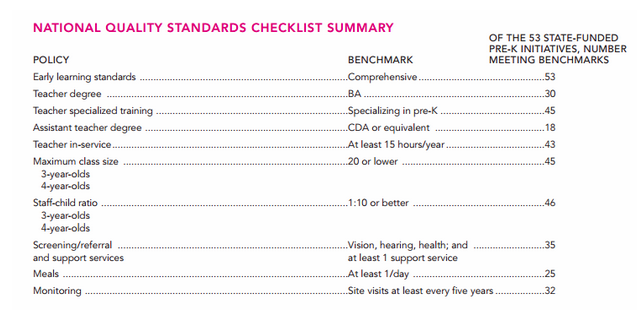
This week the National Institute for Early Education Research (NIEER) released its highly anticipated annual State of Preschool Yearbook.