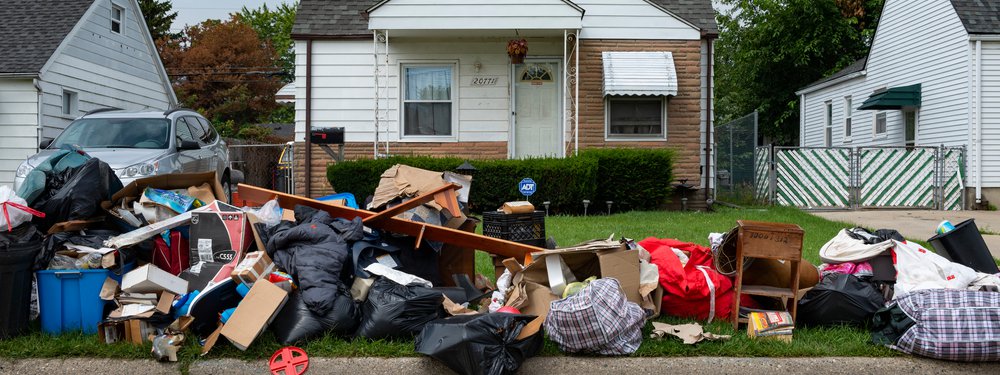
Why Building More Affordable Housing Isn鈥檛 Enough to Alleviate Housing Insecurity
Housing instability is only a symptom of deeply-rooted systemic inequities鈥攐ne that won鈥檛 be erased simply by expanding affordable housing.
Housing instability is only a symptom of deeply-rooted systemic inequities鈥攐ne that won鈥檛 be erased simply by expanding affordable housing.
Tenants with legal representation are far more likely to avoid eviction鈥攂ut in Forsyth County, North Carolina, that鈥檚 easier said than done.
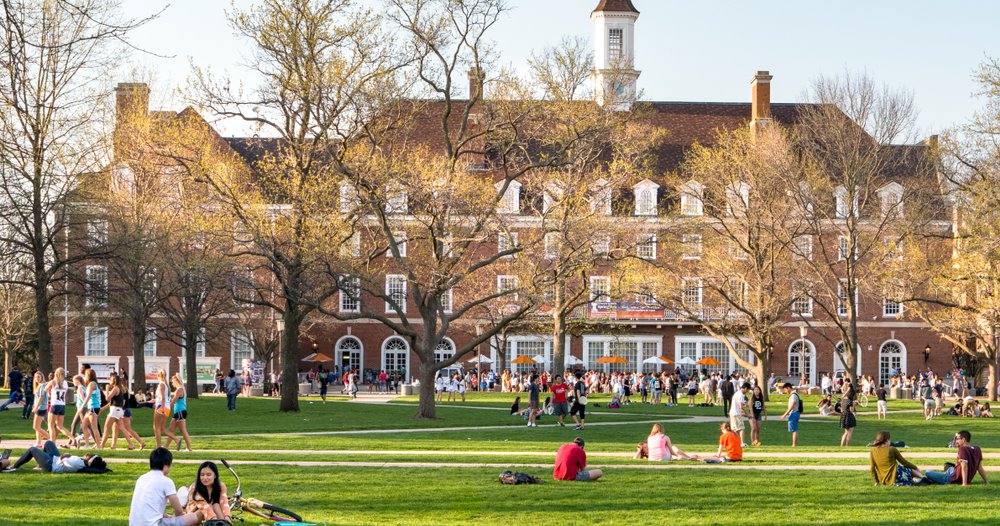
For many graduate students, housing insecurity is a way of life.
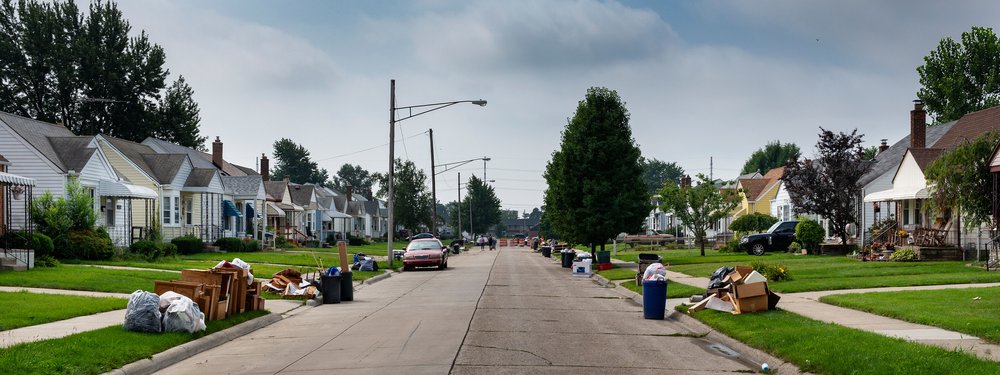
Despite decreased eviction and foreclosure filings, surveys are sounding the alarm: more than a quarter of Americans are housing insecure.
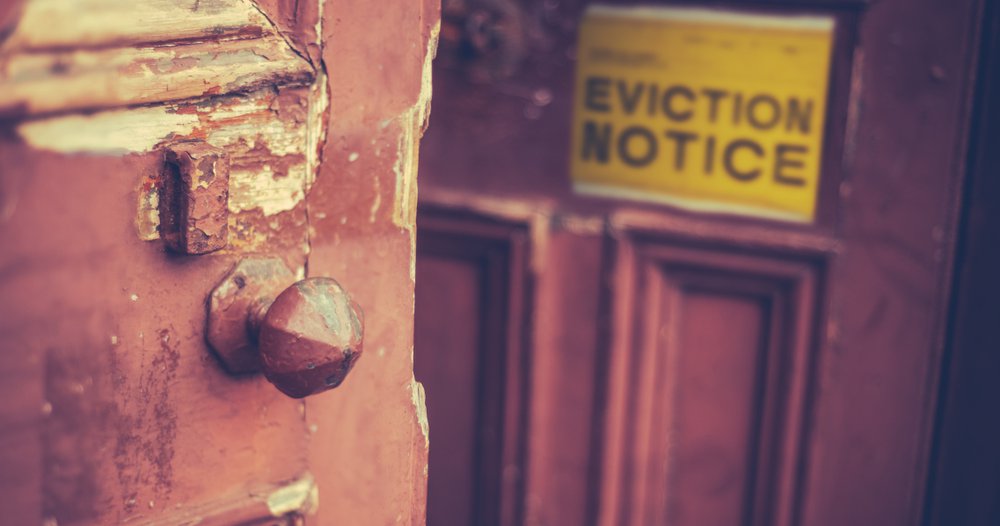
In Indianapolis small claims courts, tenants battle eviction while lawyers do landlords鈥� bidding.
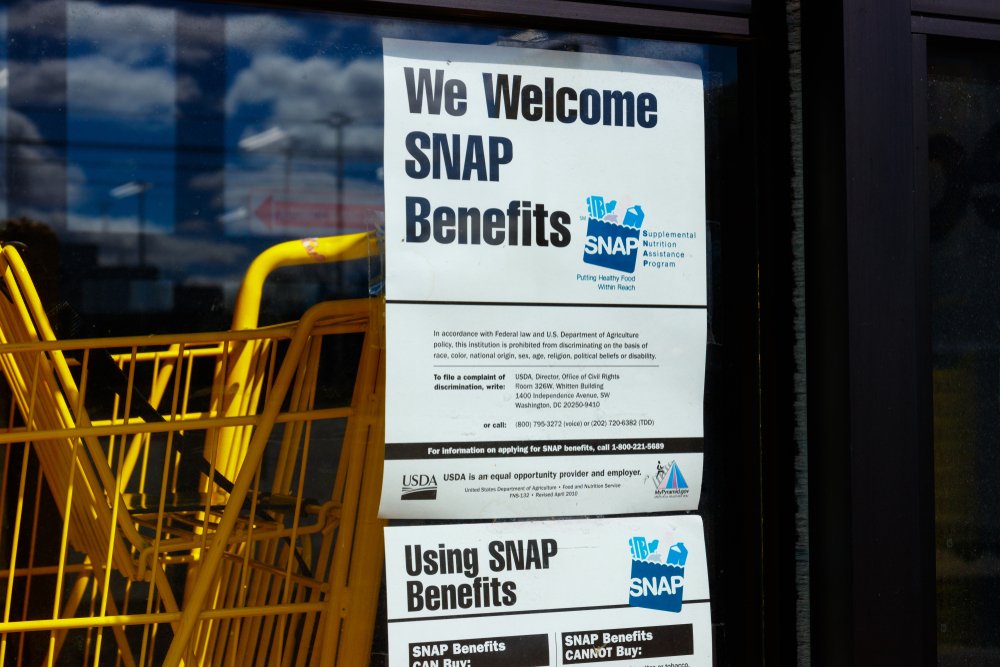
Government benefits systems were built for those with a stable mailing address鈥攕omething millions of eligible Americans lack access to.
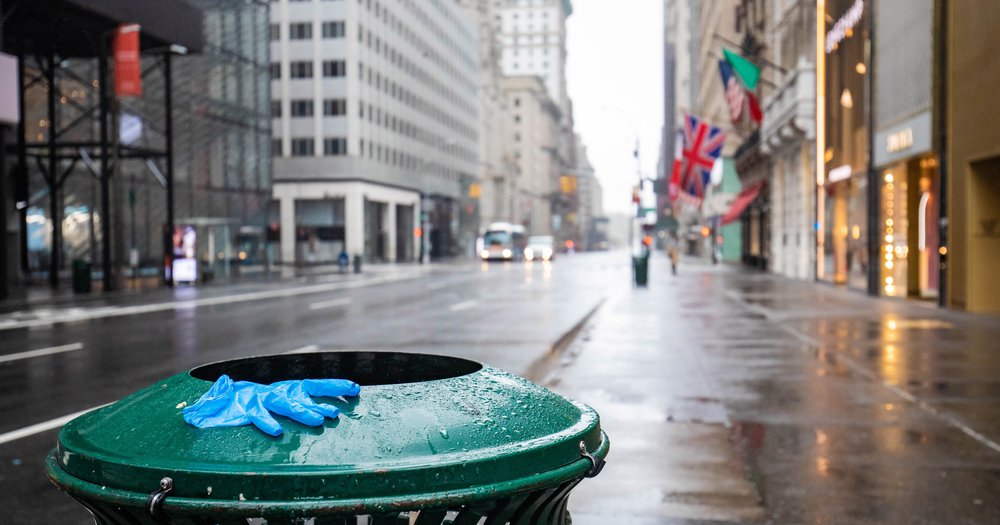
Well-designed density would go a long way toward aiding our most vulnerable communities.
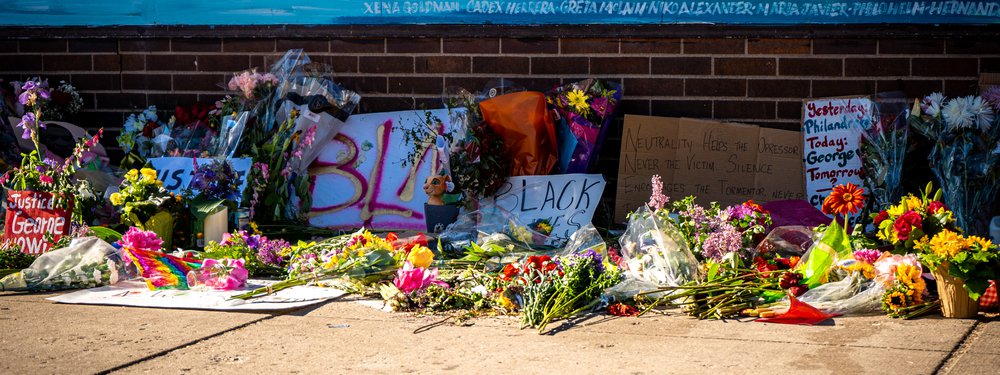
In the wake of George Floyd鈥檚 murder, there鈥檚 been an outpouring of grief鈥攆or a few broken storefront windows.

Natalie Chyi wrote for Wired on how COVID-19 is empowering people and communities to become co-creators and co-distributors of knowledge.

Yuliya Panfil and Thierry Hoza Ngoga wrote for TRFN on how officials must update archaic land systems to increase resilience for the future.