
Learning from the Past to Avoid Painful Cuts for Child Care
Reflecting on tragic policies from the past can strengthen the future of early care and learning.
Reflecting on tragic policies from the past can strengthen the future of early care and learning.
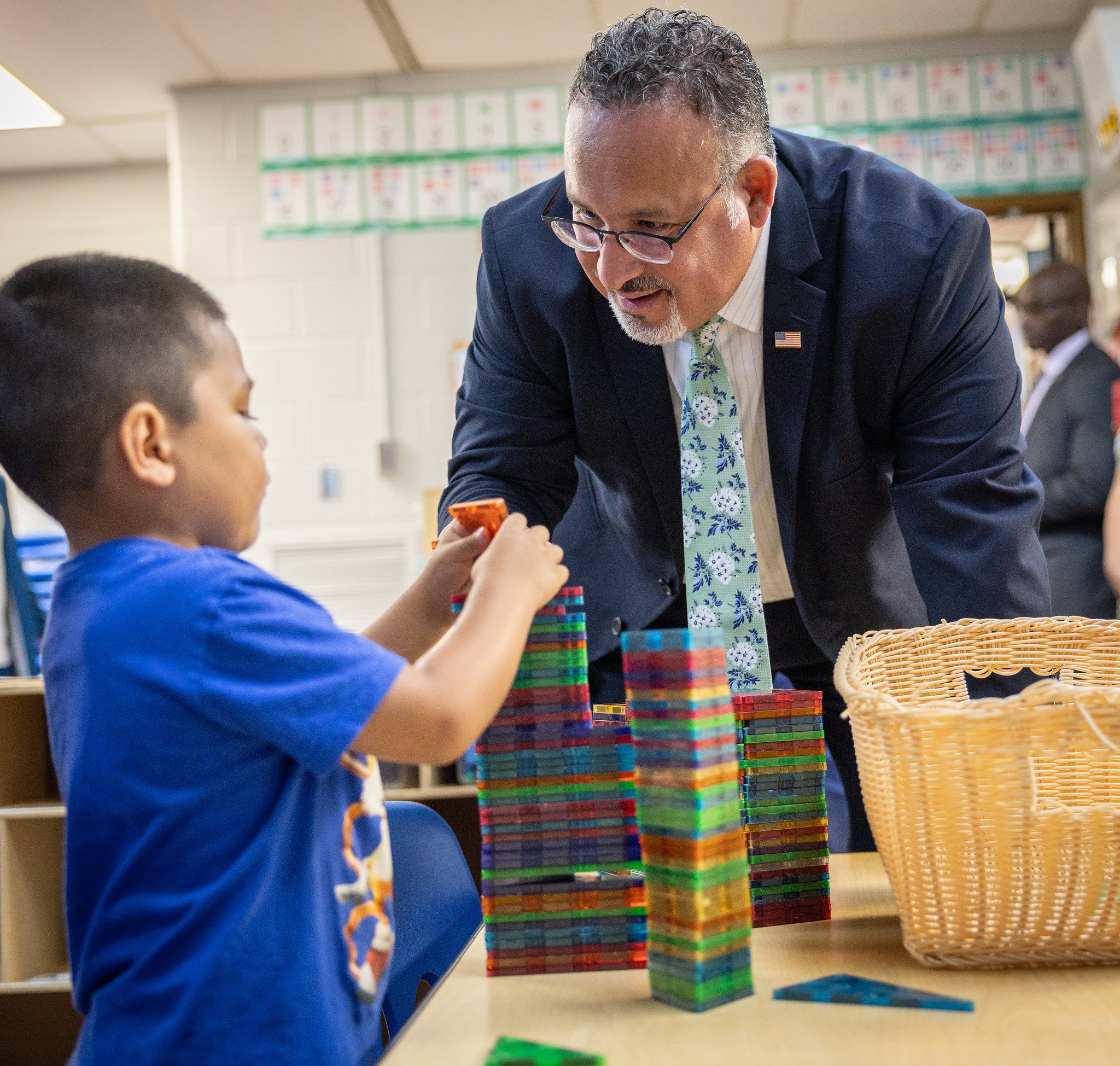
The U.S. Department of Education鈥檚 (ED) early learning focus has the potential to help states and school districts rethink kindergarten.
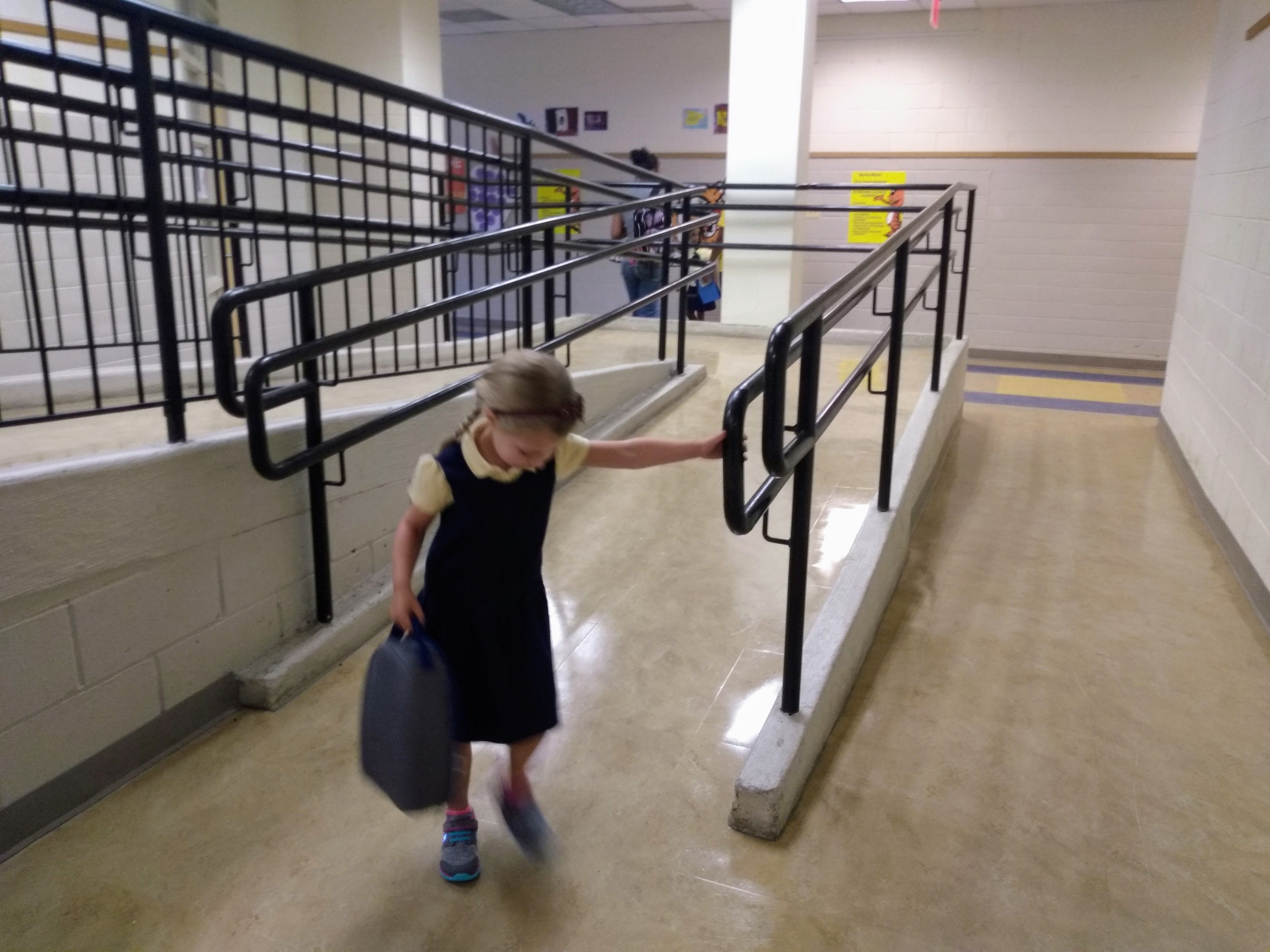
state and local leaders could change policies and practices to smooth the transition into (and through) elementary school grades
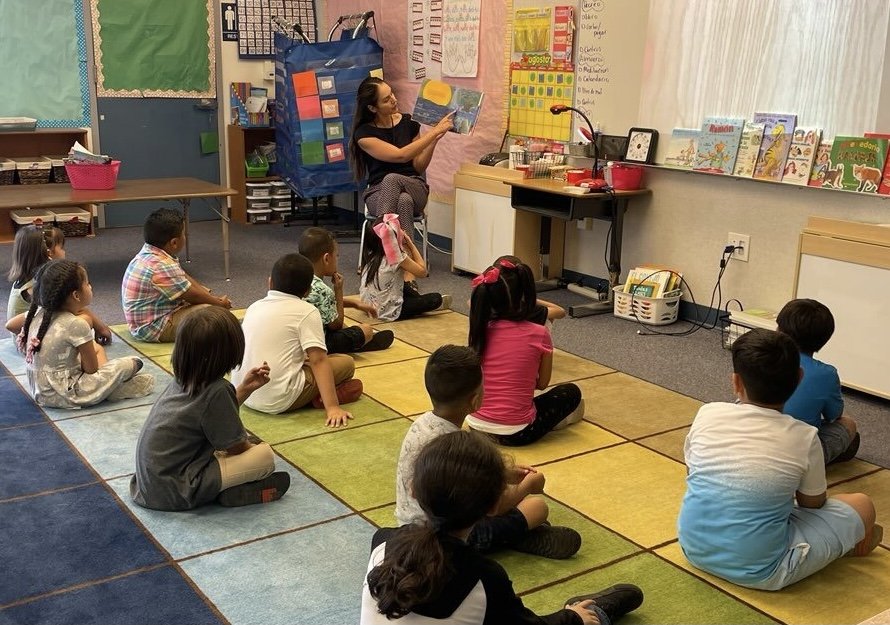
Hear how family partnership can foster engagement and oral language production among multilingual students directly from a teacher.

There has been a recent, growing shift toward purposeful play or play-based learning as an instructional strategy in elementary education.
The latest in federal early education news

The national plan is already having a positive impact in many parts of the country.

The legislative session resulted in about $750 million in new funds for child care and early learning programs.

New resources offer strategies for placing families鈥� experiences at the center of early childhood systems design
Gathering voices from the field to inform the future of early childhood policy