Mary Alice McCarthy
Senior Director, Center on Education & Labor
Wurzburg, Germany
Greetings from the Franconia region of Bavaria, home to Adidas, Puma, and many other world-class German manufacturers. I am here with a band of fellow American travelers, all of us guests of the and here to learn about Germany's apprenticeship system. Over the course of the next week, we will be visiting schools and businesses that train apprentices, as well as meeting with the chambers of commerce, unions, and government officials that help run the system. We'll also be learning about efforts to leverage apprenticeship to integrate the growing population of refugees and immigrants in Germany. Along the way, I thought I would share some thoughts while they are still fresh. So here is the first installment of what will be a short travel blog series on the "Great German Apprenticeship Tour of 2016".
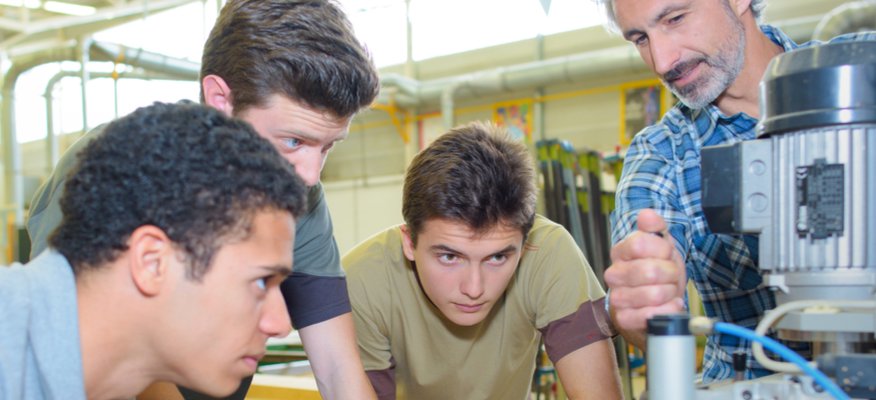
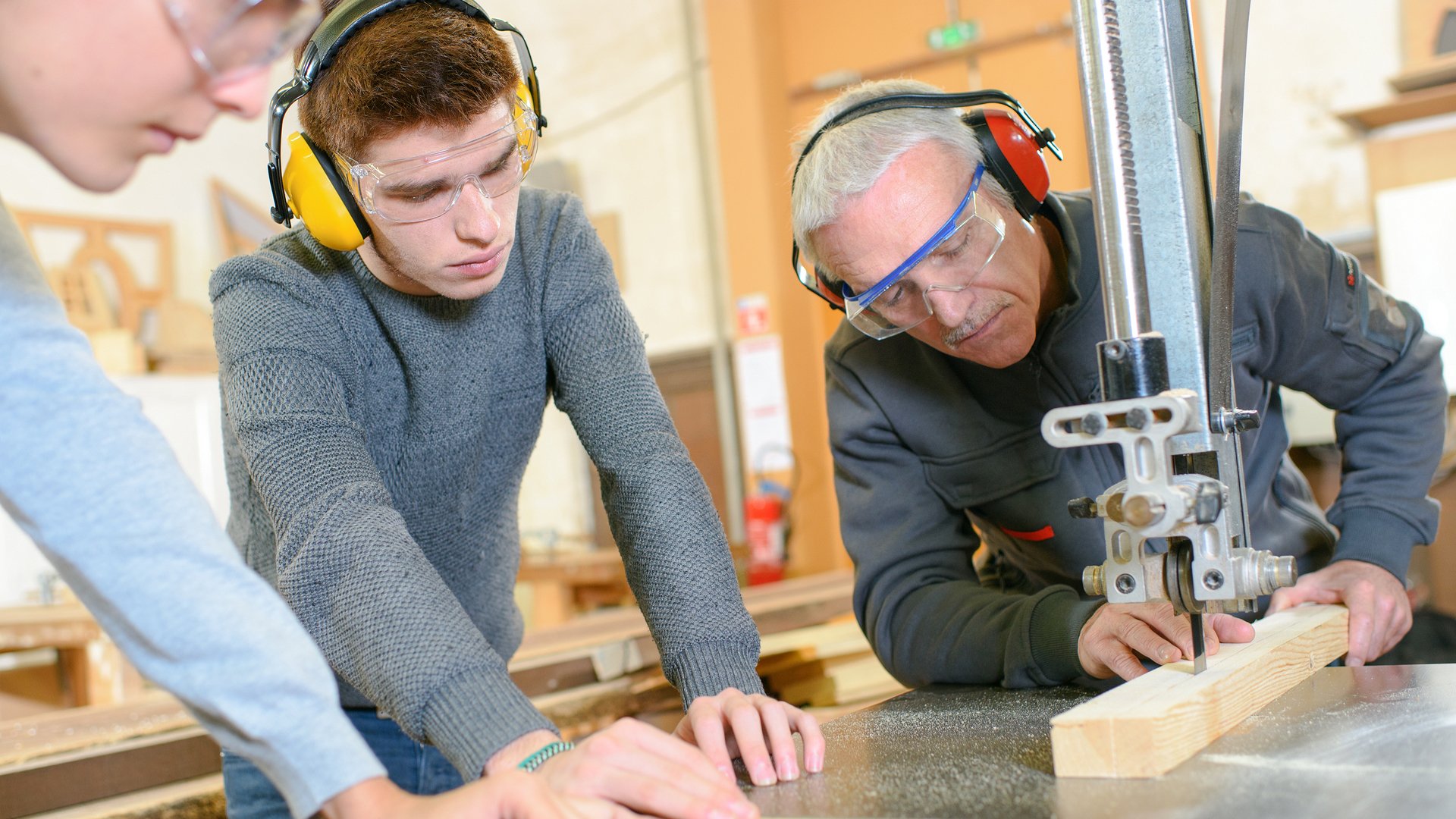
We kicked things off Monday with a visit to聽Deutsche Bank's聽global headquarters, located in Frankfurt. Large international banks are not the setting that probably comes to mind when most people think about about apprenticeship. Images of young men operating 聽machinery in an industrial setting or a construction site are far more likely. But Deutsche Bank is a full participant in Germany's dual vocational education system, employing several hundred apprentices each year at its headquarters and in branch banks around the country. And the program is extremely competitive, with several thousand candidates applying for just a few hundred slots each year.聽
The appeal of the program is not hard to see. The apprenticeships, which last two or three years, depending on the program, provide training in聽entry-level occupations聽that can lead to a wide variety of careers in banking – including very senior positions. (Christian Sewing, the聽current Head of Private Wealth and Commercial Clients and member of聽the Management Board,聽started his career at Deutsche Bank as an apprentice in 1989). The three-year program allows apprentices to earn Bachelor's Degree in Banking as well as an apprenticeship certificate. These apprentices work full-time for three months in a structured, on-site learning program and then study full-time for three months at a university, on and off for three years. They are paid throughout the entire period and, upon completing, will have extensive work聽experience and聽relationships at one of聽the world's premier global聽banking institutions, and a very good chance of staying on. And the majority will be about just twenty-one-years old.聽
Our second day brought聽us to Wurzburg, a mid-size city in Bavaria with many small and medium-sized manufacturing firms. In contrast to聽Deutsche聽Bank,聽these聽companies are聽having a hard time recruiting the apprentices they need to fill technician level聽jobs, despite good pay and job stability.
In fact, they are competing with one another聽over a supply of apprentices that does not meet their demand. It's here in Wurzburg where we learned about聽efforts to use聽the dual vocational education system to help connect refugees and immigrants to good jobs. So far, it has proven a daunting task- but one that regional authorities appear committed to undertaking. In the next installment, I'll share a bit more about the challenge聽of making an education and training model that prides itself on an uncompromising approach to quality and consistency work as a tool for integrating non-German speakers and lower-skilled adults. Providing second chance opportunities is not a strength of this system, and perhaps a place where we might have something useful to contribute. To be continued…
Senior Director, Center on Education & Labor