Helen Bonnyman
Policy Associate, Future of Land and Housing
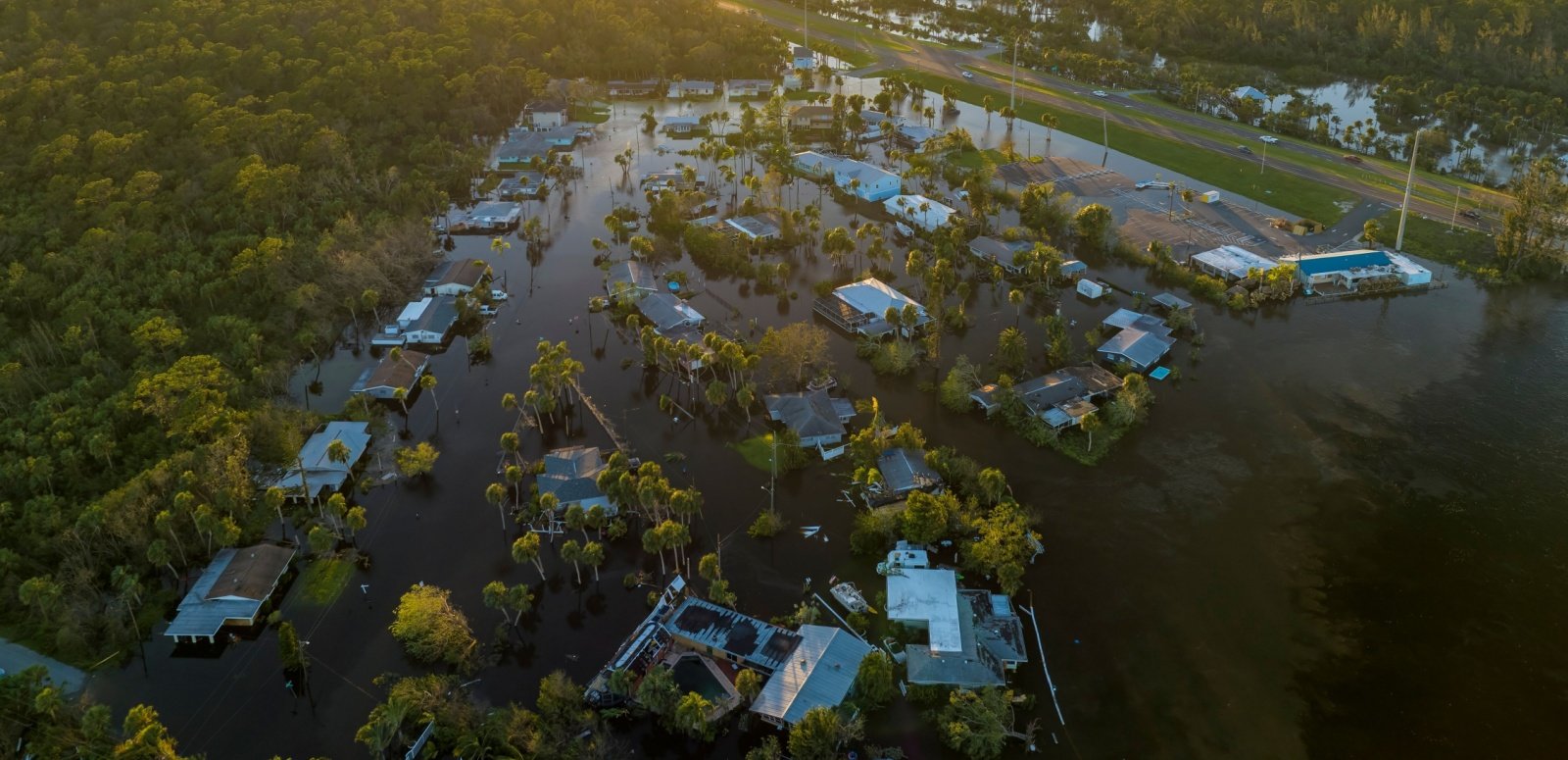
In 2023, the United States experienced 28 separate billion-dollar disasters, setting in one year. Recent flooding in California is already expected to exceed that cost threshold. As intensifying weather continues to disrupt life as we know it, climate change will within the United States. So many factors contribute to a family鈥檚 decision to move, from family ties to economic concerns, and now the climate鈥攐ne estimate suggests could move due to climate impacts in the next three decades.
Where will these people move to? Many are predicting relocation to 鈥渃limate havens,鈥� communities in relatively less climate-vulnerable parts of the country. Climate havens in the northwest and northeast could expect to grow by roughly , potentially posing serious challenges to existing housing supply, infrastructure, and public services. But through proactive, equitable, and collective planning, local communities can not only mitigate any negative effects of climate migration, but also harness future growth to improve quality of life for all residents.
Leadership in Cincinnati, Ohio, for example, seems to view future climate-driven migration to the city as a potential opportunity for socioeconomic growth and is planning accordingly. Cincinnati is one of many post-industrial 鈥渓egacy cities鈥� that lost population throughout the second half of the twentieth century, but in the last 15 years experienced a modest for the first time since 1950. If implemented, the , approved by City Council in 2018 and updated in 2023, would position the city as a climate haven. The plan would improve Cincinnati鈥檚 preparedness to receive climate migrants both in the short term鈥攂y improving sewer systems and increasing beds and food reserves in shelters鈥攁nd in the long term through development of a 鈥渃limate migration response plan鈥� and implementation of affordable and mixed-income housing strategies.
Building climate resilience is a big problem that requires big coalitions鈥攊ts success will hinge upon collaboration鈥cross all levels of government.
Thus far, Cincinnati鈥檚 has begun to reduce flood risk by improving stormwater drainage systems, and substantially increasing funding for public transit. Notably, Cincinnati decision-makers also engaged residents in under-resourced neighborhoods to collaboratively develop 鈥�,鈥� which analyze how each community is impacted by climate change and then identify solutions based on resident input. If every piece of the Green Cincinnati Plan is put into practice鈥攁 big 鈥渋f鈥� amid chronic underfunding for local governments countrywide鈥攖he city will be well-positioned to become a climate haven for expected newcomers.
As in potential climate havens, housing accessibility and affordability will be crucial for Cincinnati鈥檚 success in accommodating climate migrants. In the Cincinnati metro area, 7.3 percent of rental units are vacant, but not all of these units are habitable, as many buildings around the city are in some state of disrepair. Other cities predicted to see climate-related growth鈥攍ike Buffalo, Pittsburgh, and Detroit鈥攁lso have relatively 鈥渓oose鈥� housing markets with than the national average of 6.5 percent. This sounds promising, but given that the national status quo is a , all climate havens need to center housing supply and affordability in climate preparedness efforts.
Millions of climate migrants aren鈥檛 on the move just yet. This means climate havens across the U.S. have the opportunity to proactively understand and plan for the impacts of climate-related displacement and migration on their housing supply, public infrastructure, and job market. Policy and funding decisions made today can create a climate-resilient future with equitable economic growth and thriving neighborhoods for both long-time residents and new arrivals. Building climate resilience is a big problem that requires big coalitions鈥攊ts success will hinge upon the collaboration of policymakers, civil society organizations, and the private sector, across all levels of government.
In addition to high-level planning efforts that prioritize climate awareness, federal, state, and local decision-makers should make tangible investments in the infrastructure and housing market of cities preparing to become climate havens. Promising local housing interventions could include municipal funding for acquiring and preserving affordable housing, or that work to preserve neighborhoods and create new property ownership opportunities that are shared between residents and a nonprofit trust. State governments have an important role to play in local preparedness efforts, facilitating coordination among localities and . At the federal level, leaders should focus on creating more opportunities for local governments to fund climate preparedness projects like from the Biden administration.
After a year of record-breaking climate disaster numbers, climate change has proven to have a high price tag that we have no choice but to pay. These opportunities for funding climate resilience are promising, but only account for a portion of the resources that will need to go towards adapting to our changing climate. As the weather intensifies so will the need for climate migration and the presence of climate havens. But without the proper funding and responses, there will be devastating consequences for so many Americans, not just the ones forced to move.
Policy Associate, Future of Land and Housing