Gabriella Gricius-Abbott
Intern, Future of Land and Housing
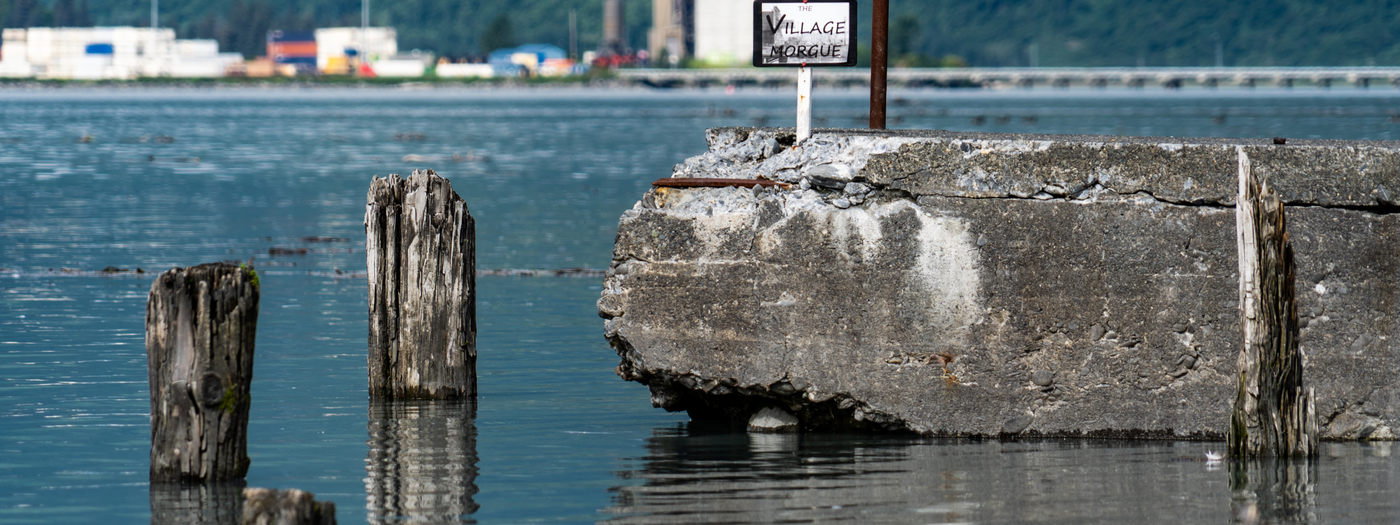
Imagine if your entire community began to disappear into the ocean. Many communities don鈥檛 have to. In June, severe flooding sent a majority of the underwater鈥攂ut this is not a new phenomenon, and it鈥檚 only getting worse.
Climate change is affecting the Arctic faster and more drastically than anywhere else on the planet. Most concerning for Alaskan villages and communities are increased erosion rates, thawing permafrost, decreases in sea ice, and changing climate conditions that shift food security. 鈥溾�嬧�婽he animals that we rely on, the plants and fish that we rely on are not coming at the same times of the year as they did before. And sometimes they aren’t coming at all,鈥� said Sam Schimmel, a St. Lawrence Island Siberian Yupik and Kenaitze Indian from Alaska and member of the State of Alaska’s Climate Action Leadership Team.
In 2003, a Government Accountability Office study that 86 percent of Indigenous villages鈥�184 in total鈥攚ere affected by erosion and flooding. In May 2021, the Arctic Monitoring and Assessment Program published its annual , highlighting the increasing severity and seriousness of climate change, specifically on Arctic communities.聽For Schimmel, that means communities can鈥檛 get their food. 鈥淚t means when the wintertime comes, we no longer have sea ice to protect our island from winter storms.鈥� But there is still no framework that deals with climate change displacement and no set approach for cooperation across tribal, local, state, and federal levels to aid this process.
Indigenous communities in Alaska are being forced to consider full relocation through a policy known as 鈥�,鈥� which involves proactive movement of people, structures, and infrastructure out of harm鈥檚 way before disasters occur. Some communities, such as the village of and , have determined that relocation is necessary, a decision that comes with heavy financial and cultural costs. Collaboration is key and managed retreat policies must better take into account property rights and land use issues.
Several Alaskan communities鈥攕uch as the villages of Newtok and Shishmaref鈥攈ave already begun in managed retreat, a long-term process that takes many years and includes tribal governments, community leaders, and residents. It鈥檚 an adaptation strategy of last resort, largely because of the high costs and negative cultural side effects resulting from community displacement. According to Schimmel, 鈥淐limate change is making it hard for us to practice our traditions, which is resulting in our youth and our communities being disconnected from who we are鈥� our languages are being eroded just like our coastlines.鈥�
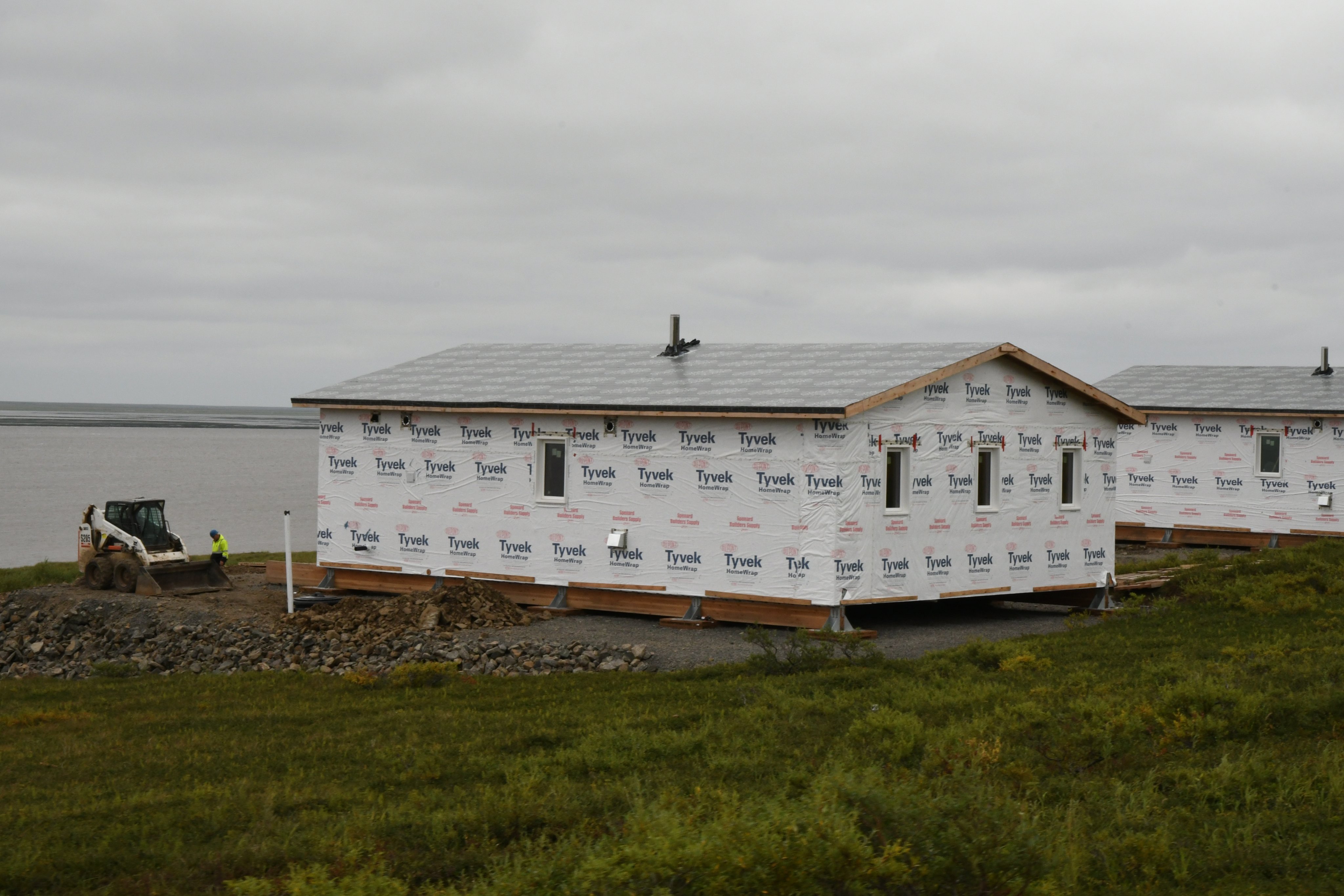
An conducted by the U.S. Army Engineer Corps found that 12 of 31 identified villages threatened by climate change have decided to relocate, or are exploring relocation options. The village of in southwestern Alaska is one of the most extreme of managed retreat resulting from coastal erosion. Due to extreme rates of permafrost degradation鈥攁round erodes per year鈥攖he entire village is planning a relocation to Mertarvik, a new uninhabited site.
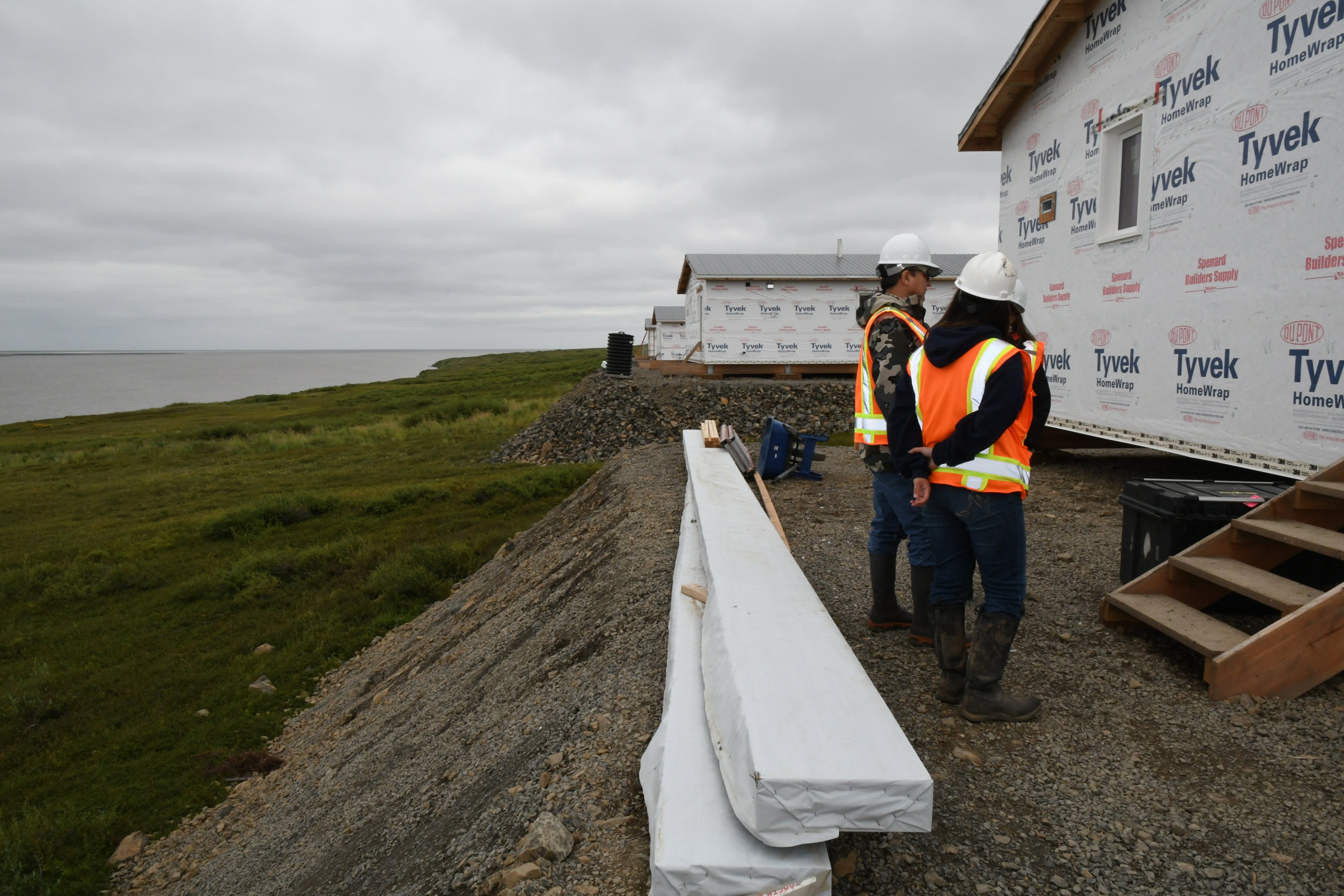
In 2006, they established the , bringing together tribal, local, state, and federal representatives to better plan the relocation efforts. Now, the cost of relocation is estimated at around . But beyond the money, the effort entails an unprecedented level of cooperation between governments.聽By 2019, a third of Newtok鈥檚 residents were given the green light to move.
Other communities were not as lucky as Newtok. The residents of , an Indigenous town on the Bering Strait, voted in 2002 to relocate the village. But despite the increase in severe erosion rates and flooding over the past decades, the town has neither federal funding nor economic assistance to physically move.
There are currently no governance processes that help determine if and when communities need climate-related relocation, and what kind of best practices to account for changing property rights. This makes managed retreat extremely .
These policies raise important questions about land, housing, and property rights. Should communities be given parcels that are equivalent to the ones they owned before? How will they decide on a new site for their village and whose land will that be? And, if they decide on a new site for their village, will someone else lose land?
If communities do not choose or cannot afford a full-scale relocation, they must develop mitigation or adaptation plans in the meantime.
The clearest lesson is that unprecedented levels of cooperation are needed across tribal, local, state, and federal levels. The next critical step is . A one-size-fits-all approach doesn鈥檛 work anywhere, particularly not in a place like Alaska, and adaptation needs to be facilitated by federal and state dollars.聽This kind of modular framework should be led from the bottom-up, existing as a pipeline through which communities could acquire funding. In the United States, there is no national framework for citizens displaced due to long-term effects of climate change.
While it might seem like planned relocation policies in Alaska are a local or state concern, climate change displacement is not; and a modular framework for climate change displacement and managed retreat policies are necessary as sea levels rise, which will affect not only Arctic residents, but coastal communities on a global scale.
Intern, Future of Land and Housing