Abbie Lieberman
Senior Policy Analyst, Early & Elementary Education
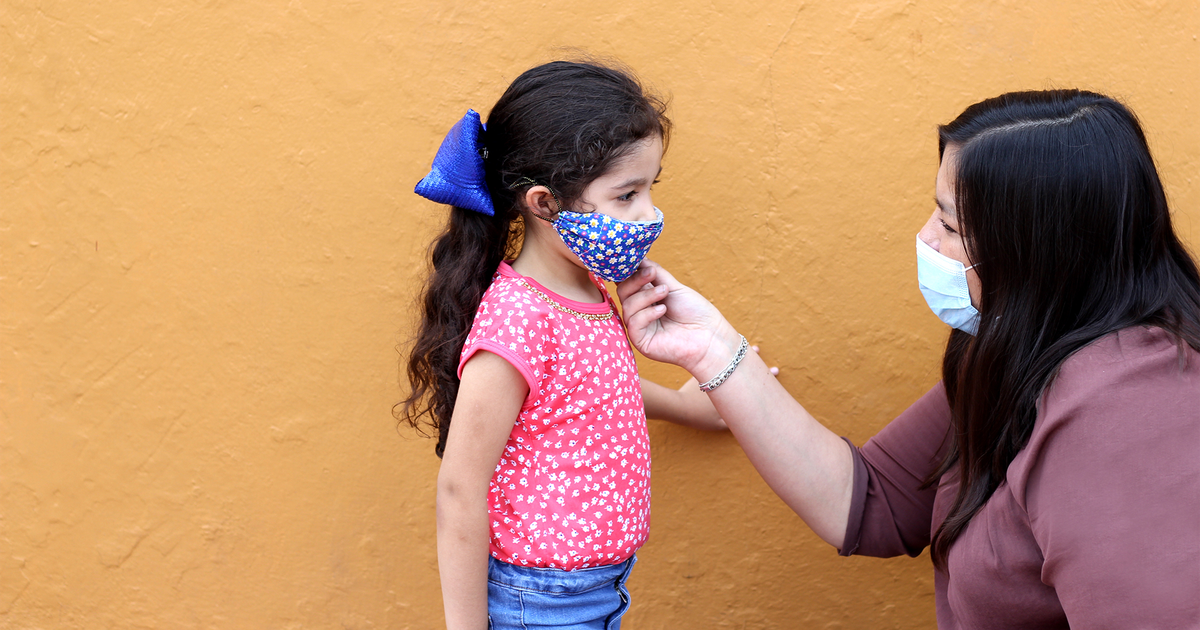
鈥淥ur bubbles are a little bigger right now.鈥� That鈥檚 how Melissa Colagrosso, director at A Place to Grow Children's Center in Fayetteville, WV, explains social distancing to her little ones. Her center serves children from 6 weeks old until they turn 13. They鈥檝e managed to keep their doors open throughout the COVID-19 pandemic. Colagrosso says the children are adjusting to their new reality, but 鈥渄evelopmentally it鈥檚 not a good lesson because they need to learn to interact. This goes against what we know about good quality early childhood.鈥�
A Place to Grow is the only center-based care option in this rural part of West Virginia. Most of the families are lower-income and qualify for subsidies through the federal Child Care and Development Block Grant (CCDBG). West Virginia closed child care centers to non-essential families in mid-March, but parents started pulling their children out before the state mandated it. Colagrosso said, 鈥淲e went from serving 80 children one day to 20 the next. Many had other options. But the 20 families left were coming in everyday begging me to stay open. A lot of them were essential workers.鈥�
When the virus first hit and attendance declined, Colagrosso started laying off staff because she didn鈥檛 know what types of support would become available. Then she worked with an advisor from the West Virginia Small Business Development Center to secure a loan through the federal Paycheck Protection Program (PPP) and brought employees back. She had an existing relationship with the advisor, putting her one step ahead of many providers who have had . In fact, Colagrosso said the advisor called her when business closures began and said, "You will survive this and I will help you.鈥�
Because class sizes are so low to allow for social distancing, Colagrosso still needs to bring in all of her teachers everyday, even if they are only serving 20 kids. It鈥檚 important to her to keep them employed for as long as possible. Many of them have been at the center for 10 years or more. 鈥淲e鈥檝e invested in them,鈥� she said, 鈥渨e鈥檝e helped them through their degrees.鈥�
In late March, A Place to Grow was granted a Critical Care license. Part of the state鈥檚 response to COVID-19 was to give providers the option to remain open as , serving only children of essential workers and following the . West Virginia runs a tiered reimbursement system for child care subsidies based on program quality, and Critical Care Sites automatically receive the highest payment level as an incentive to stay open.
But what has been most helpful for Colagrosso is the federal , which the state has used to reimburse providers based on enrollment instead of attendance, whether or not the provider stayed open. CCDBG subsidy reimbursements are often tied to child attendance– if a child doesn鈥檛 show up, the center doesn鈥檛 get paid. This has been a challenge for centers long before COVID-19, but can quickly cause businesses to collapse when most children stay home. Now Colagrosso is being reimbursed for all children enrolled in her program who pay with subsidies. West Virginia is one of to use CARES Act funding in this way.
Colagrosso said, anecdotally, that the providers that don鈥檛 serve as many children with subsidies are struggling more because they aren鈥檛 receiving as much government support and they cannot force parents who are keeping their children at home to pay tuition. A of providers by NAEYC found this to be a common trend: 鈥淣ationally, while 49% are losing income because of families who cannot pay, another 25% of respondents are losing income because they are reimbursed by the state based on attendance rather than enrollment.鈥�
When reflecting on the different sources of funding she鈥檚 pieced together recently, Colagrosso said, 鈥淚鈥檓 like a squirrel stowing away these nuts鈥� I鈥檓 not buying supplies that I would normally buy… we need some stability.鈥� While her center is still functioning under a Critical Care license, she is now able to serve any children whose parents meet state guidelines.
Her PPP loan is about to run out, and as of the first week of June, she still hadn鈥檛 heard from the state about what support they would continue to provide. 鈥淚 won鈥檛 have the money to pay employees if they don鈥檛 keep paying based on enrollment. Today, I have money in the bank, and we can make the next payroll, but in two weeks I don鈥檛 know if I can.鈥�
Overall, Colagrosso has been pleased with the state鈥檚 response to the pandemic. Michelle Platt, who works in the Bureau for Children and Families at the West Virginia Department of Health and Human Resources, feels confident about the support the state is providing to child care centers. 鈥淎ll things considered, we have everything under control. We are providing assistance as much as we can,鈥� said Platt. She confirmed that more financial assistance is coming. The state will be offering small grants based on program size and type of provider. Grants can be used for whatever is needed, whether that鈥檚 a new air conditioner or a bonus for staff.
One challenge state officials are still grappling with in more rural areas is getting providers the supplies they need. 鈥淚t鈥檚 a supply chain issue,鈥� Platt explained. 鈥淭here鈥檚 just Walmart and it might be 50 minutes away. Everyone is trying to get to that one Walmart for their program.鈥�
In late April, as West Virginia began its phased reopening, state officials decided to of all child care workers. Colagrosso said that she and staff were reluctant to participate, especially since testing one time far from guarantees that employees will not get sick.
Unfortunately, one staff member who had been asymptomatic tested positive. She quarantined for two weeks, as did the four staff members and 12 children she鈥檇 been in contact with. However, no one else ended up testing positive for COVID-19. Colagrosso attributes this to the hand washing and extensive cleaning procedures the center implemented.
Thus far, A Place to Grow has been able to stay in business and serve families in need by navigating state and federal supports. Many providers nationwide . But it鈥檚 safe to say that the future remains uncertain for almost all providers. State responses are largely influenced by federal funding, and right now, it鈥檚 unclear what to expect in the way of federal support over the next few months. and some Democratic lawmakers are advocating for the child care industry and ensure its long-term solvency.
The pandemic is exposing the fragility of an industry that is already underfunded. As Colagrosso said, 鈥淲e needed advocacy for child care teachers long before this. Why are they making minimum wage? They change people鈥檚 lives.鈥� State and federal support is needed now, but the field should take the lessons learned from this crisis and build a stronger system for the future.
Interested in staying up to date on education and workforce policy? Subscribe to our newsletter to receive updates on the latest from our experts.
Senior Policy Analyst, Early & Elementary Education