Sonya Passi
Fellow, 麻豆果冻传媒 CA
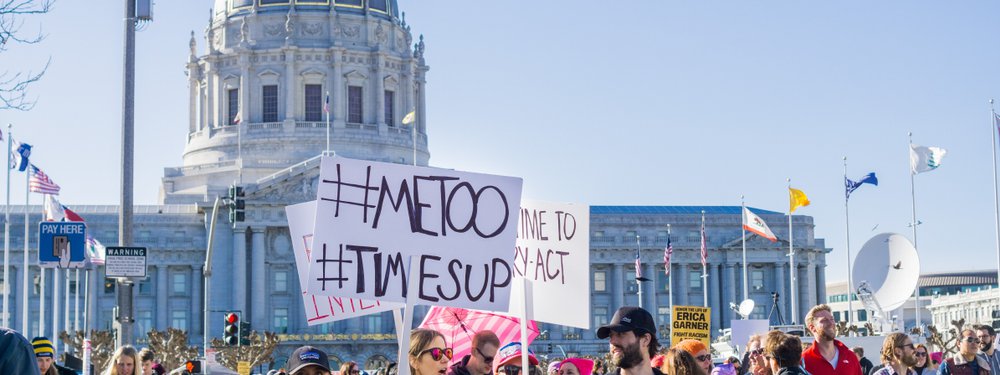
A few years ago, I found myself in an abusive situation. It wasn鈥檛 intimate-partner violence鈥攚hich, fortunately, has received much more media attention since the rise of the #MeToo movement鈥攂ut I still believed my life to be in danger, and all I knew for sure was that I needed to get out. With a law degree, a six-figure salary, and 10 years of experience in the field of gender-based violence, I was as well-resourced as anyone could be.
But still, it took me five weeks from when I made the decision to leave to actually get out. It took quitting my job to feel safe. And it took every single cent in my savings account to heal.
Most people who have experienced abuse aren鈥檛 that lucky. Many don鈥檛 have a job, savings, good credit, and access to resources to fall back on. In fact, the number one reason survivors of domestic violence stay in abusive situations is that they can鈥檛 afford to leave鈥攁nd the number one reason survivors return to abusive situations is financial insecurity.
So if we truly want to help survivors, we need to invest in survivor wealth, a term I use here to mean having the financial freedom to do things like live well, build a safe and nurturing home, pay bills on time, and not live with crushing debt. Achieving this holds the keys to survivors not only getting out of abusive situations鈥攂ut also staying out.
Every year during Domestic Violence Awareness Month, there鈥檚 a flurry of articles written about the financial impact of domestic violence. It never seems to be enough, however, to shift the dominant public narrative that people stay in abusive situations out of love, weakness, or both.
To see how misguided this narrative is, consider the fact that, even for those people who get out and are able to stay out, finding safe housing is a challenge. For instance, about of women over 18 who are homeless in Los Angeles have experienced domestic violence.
Why the close link between domestic violence and financial insecurity?
First, it鈥檚 incredibly expensive to be a survivor. A recent found that domestic violence costs female survivors an average of almost $104,000. And this study doesn鈥檛 even account for relocation costs, buying new clothes and furniture if you leave, paying off debt that may have been fraudulently incurred by an abuser, or long-term disability costs that might result from the abuse. This last one is critical. I鈥檝e never met a survivor who didn鈥檛 have chronic pain of some kind, even years later. Healing is incredibly expensive. And it鈥檚 a privilege.
Second, in addition to physical and psychological abuse, of domestic violence cases involve financial abuse. This can take many forms. It may look like survivors not being allowed to work, or losing their jobs because of the abuse. It may look like survivors not having access to a bank account and having limited or no access to cash. It may look like survivors having credit cards and debt in their name without their knowledge. It may look like all of these examples at once.
When you have only $100 to your name, you don鈥檛 invest it in your future well-being. You pay for food and shelter. That鈥檚 where the domestic violence movement is at the moment. It鈥檚 an incredibly under-funded movement trying to end a systemic problem.
Forty years after the movement to stop domestic violence began, folks are working tirelessly for little pay putting out fires鈥攎aking sure there are enough shelter beds, making sure survivors can get access to public assistance and restraining orders, and/or making sure that there aren鈥檛 guns in the homes of known abusers.
But what happens next? How do people with six-figure costs and no job, no home, no savings, and with poor credit rebuild their lives? They don鈥檛. The cost of survivorship is so great that the only solution can be survivor wealth.
Survivors need access to the resources necessary to build income quickly, to find a job that will support their safety (spoiler alert: minimum-wage jobs in single-parent households don鈥檛 cover even basic expenses), to repair and build their credit so that they can actually secure housing, and to undo the impact of such severe financial trauma.
We live in a society that encourages survivors to leave, but tells them that once they do, they鈥檙e on their own to figure the rest out. Do we actually want to end domestic violence in this country? Because if we do, we need to widen our understanding of the problem, and dare to dream of a society in which survivors have the resources to support their healing.
, an organization I founded two years ago, is on a mission to create pathways to financial security and long-term safety for survivors. Recognizing that one solution isn鈥檛 enough, we take a holistic approach. We train shelters, drop-in centers, and other domestic violence organizations on how to integrate financial capacity-building services into their day-to-day work. We use technology to offer self-help financial resources directly to survivors on their smartphones. We created a policy lab to remove structural obstacles to survivor鈥檚 financial safety via innovative legislation. And in July 2019, we鈥檒l be hosting the first in Los Angeles.
Investing in survivor wealth starts at the top. It鈥檚 going to take funders being willing to expand their understanding of the scope and scale of domestic violence. At least once a month, a foundation tells me that, while it believes in our work, we don鈥檛 fit its grant-making criteria, because it only funds homelessness-prevention work, healthy communities, and early childhood development. But my challenge to them is this: Tell me a community that wouldn鈥檛 be healthier if survivors could afford to heal, or if children wouldn鈥檛 be freer to reach their potential if they lived in a safe home.
Wealth is often seen as a dirty word in social-justice spaces: In the nonprofit world, we don鈥檛 strive for wealth鈥攚e strive for survival. But in this case, the two go hand in hand.
Fellow, 麻豆果冻传媒 CA