
Why Turkey Was the Scene of the Crime
The afternoon was abuzz with cameras clicking, as journalists gathered to observe a team of Turkish investigators arrive at the Saudi consulate in Istanbul, reportedly there to figure out what happened to Saudi dissident journalist Jamal Khashoggi, who disappeared on October 2 and has since been by Turkey鈥檚 chief prosecutor to have been gruesomely killed. 鈥淭urkey wants to get justice for a silenced journalist? Ha! It鈥檚 really a farce,鈥� Fatih Ekram, a Turkish cameraman, told me recently, recounting the days when Turkish authorities were the ones harassing journalists.
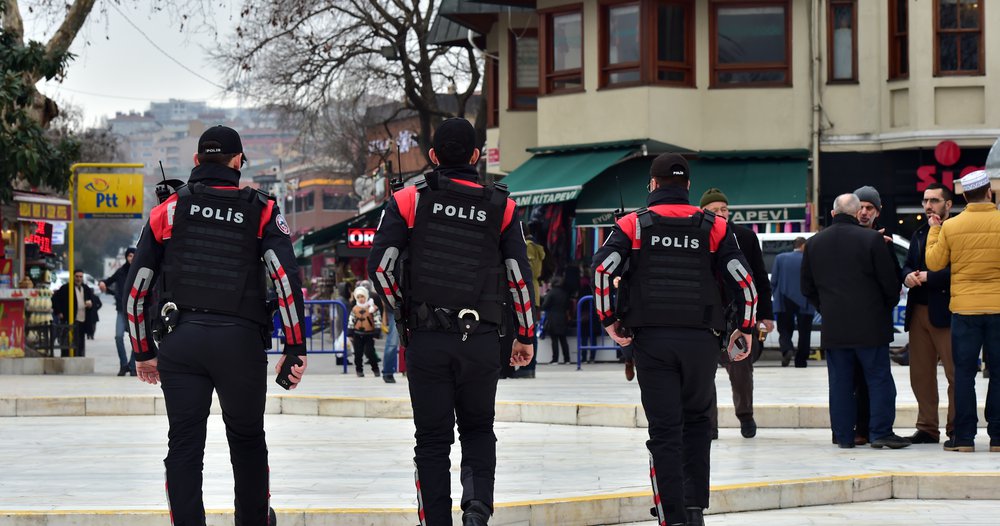
In the purge following a , Turkish President Tayyip Erdogan sought to control the situation by controlling the narrative around it. His first target: the local media. Erdogan鈥檚 administration arrested reporters and editors and shut down news channels. Ekram told me that he spent those days filming the police as they arrested journalists, barging into media companies to destroy equipment and handcuff reporters. 鈥淭his is surreal,鈥� Ekram said, almost in disbelief, as he watched and recorded Turkish authorities鈥� seemingly proactive investigation into the killing of Khashoggi, only two years after the government-led purge.
Indeed, in a twist of irony, Khashoggi鈥檚 death and Erdogan鈥檚 attempts to link it to the Saudi government have again exposed Turkey鈥檚 own vicious treatment of the press. More bluntly, what looks like genuine concern for a journalist is anything but earnest鈥攊t鈥檚 downright hypocritical, and it reveals more about Turkey鈥檚 dangerous media landscape than it does about the Khashoggi case.
Erdogan, who has been pushing Saudi Arabia to provide answers to the Khashoggi killing, has created what could be a diplomatic nightmare for the Saudis. In fact, it鈥檚 plausible that the Saudis could have gotten away with killing Khashoggi had Erdogan not so aggressively insisted on making the investigation a national priority, instructing his officials to take the lead in . 鈥淲here is Khashoggi鈥檚 body?鈥� Saudi Arabia, putting immense pressure on Saudi Crown Prince Mohammed bin Salman.
And yet, even though Turkey was the country that leaked some of the initial details of Khashoggi鈥檚 disappearance in early October, it鈥檚 continued its pattern of arresting, detaining, and imprisoning multiple journalists, frequently labeling them terrorists.
For instance, during a large in Diyarbak谋r on October 9鈥攁 mere five days after Khashoggi disappeared鈥攖he police took at least six journalists and two newspaper distributors into custody. Most of them were detained at police headquarters due to their association with pro-Kurdish media outlets. Then, on October 11, almost a dozen more arrests were made. Sources in Turkey told me that detained journalists were asked pointed questions like, 鈥淲hat鈥檚 your connection to the PKK/KCK?鈥濃�攔eferring to the Kurdistan Workers鈥� Party, a militant group located in southern Turkey and northern Iraq鈥攁nd, 鈥淗ow many times have you exited the country illegally?鈥� 脟a臒da艧 Kaplan, an editor at Yeni Ya艧am, one of the targeted publications, that the police had broken into the office and confiscated computers.
Cihan Olmenz, one of the arrested journalists, claims that he spent four days detained in a Turkish prison鈥攕imply for doing his job. On his release, he told me by phone that he鈥檇 been accused of being a terrorist and an enemy of the state because he鈥檇 previously attended a Kurdish protest. Olmenz was astonished by the news of Erdogan鈥檚 pursuit of justice in the Khashoggi case: 鈥淚s this not what Turkey wants of its own journalists? For them to shut up?鈥�
Such arrests and crackdowns aren鈥檛 unique to Turkey, but Erdogan has been consistently trying out new ways to silence members of the press who stand in opposition to the official government line, going so far as to reach beyond Turkey鈥檚 borders to quash dissent. On October 16, for instance, a Turkish court Interpol to cooperate in arresting journalists Can D眉ndar and 陌lhan Tan谋r, who now live in Germany. The court requested a red notice鈥斺��,鈥� per Interpol鈥檚 definition鈥攆or the journalists. Both are defendants in a against Cumhuriyet, an opposition paper that鈥檚 been shuttered by the government.
Securing press freedom in Turkey, have been imprisoned since the coup, is critical to creating any semblance of democracy in the country. Unfortunately, due to efforts by the Erdogan administration to stifle dissent, many cases of press harassment and violence aren鈥檛 even documented. Olmenz believes that, unless large-scale arrests take place, the media rarely reports on the day-to-day muzzling of journalists.
Today, Turkey is the world鈥檚鈥攕urpassing even China. For Turkish journalists, it鈥檚 indeed surreal to witness their country investigate, with non-existent bona fides, the same sort of crime that鈥檚 been committed against them with seasonal regularity.
As the Khashoggi case unfolds, international media has focused on the grisly details of the reported Saudi plot. Yet this is also a critical moment to ask ourselves why the Saudis may have thought that they could get away with slaying a journalist in Turkey in the first place鈥攚hy a country with an inglorious record on human rights would be the ideal site of a killing.
More 麻豆果冻传媒 the Authors
Related
How Colorado Made Tax Credit Access Easy: A Conversation With State Officials

Children Belong in School Learning, Not Left to Languish in ICE Detention

A National Review of Early Childhood Cost Models: Findings on Children with Disabilities and Developmental Delays
