Lalitha Jonnalagadda
Senior Product Fellow, New Practice Lab

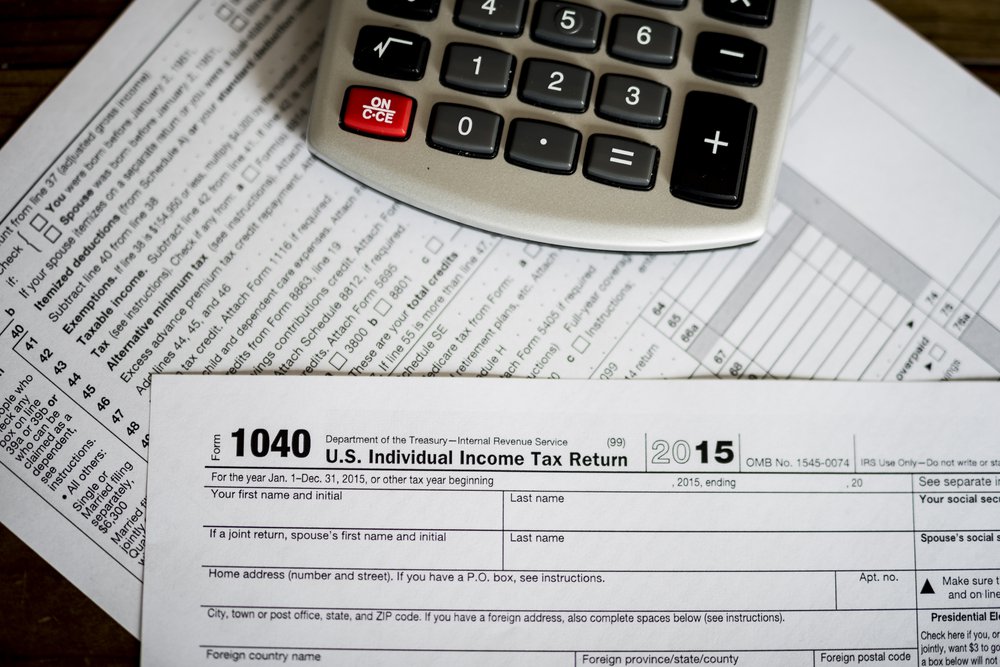
As one of the most effective anti-poverty programs in the US, states rely on tax credits to get money into the hands of the millions of families that so desperately need it. But the path to accessing those credits can be out of reach鈥攁nd often unknown鈥攖o the families that most need it.
Removing these barriers to tax credit access is a growing area of focus of Departments of Revenue (DORs) across the country. In a pilot run with the New Practice Lab, Colorado was able to eliminate the barrier for thousands of families and distribute millions more in vital tax credits back to the families they serve.听
In a conversation with Amber Egbert, Colorado Department of Revenue Director of Research & Legislative Services, and Kevin Amirehsani, Senior Policy Advisor on Tax Policy to the Office of the Governor, the Lab鈥檚 Senior Product Fellow Lalitha Jonnalagadda talks with them about how they were able to get it done, and the lessons they learned along the way.听聽
Colorado has a generous tax credit system鈥攂etween the state鈥檚 Earned Income Tax Credit (EITC), a tax credit for low/moderate income workers that boosts earnings, the Child Tax Credit (CTC), which provides financial support to families raising children, and the Family Affordability Tax Credit (FATC), a refundable credit of up to $3,200 per child that helps offset the cost of caring for dependents. For a family of four making $48,000 a year with two children under six, these tax credits were worth up to $15,000 in 2025.听
In 2024, in an effort to help more Coloradans access these credits, the legislature passed , requiring the state to help filers receive credits they are owed. The pilot, run through the Colorado Governor鈥檚 Office and the Department of Revenue, worked to identify households owed refunds (starting with tax year 2021) through based on owed refunds and excess withholdings.听
The results were extremely positive: on average, claiming a refund took about four minutes, dramatically faster than traditional tax filing, which can take filers several hours. To date, the pilot has yielded about $2.61 million in tax credits returned to more than 5,300 Coloradans in just two months.听
Colorado sent a letter to 14,765 individuals explaining how they could access the refund DOR had calculated they were owed.听 64% of letter recipients went to the DOR portal and 36% of letter recipients (about 5,400 people) signed the pre-populated tax return and received a refund ($486 on average). Instead of struggling with complicated forms, filers were able to easily connect to a personalized, pre-filled online tax return form, could quickly review and confirm the information, and click submit鈥攊n just 3 screens.听

Lalitha: Kevin, thinking back to 2024 when HB-1288 was signed, could you walk us through your implementation strategy?
Kevin: Early on we realized [our tax credit] efforts risk not reaching some of the families who could benefit the most from these credits. Though we鈥檝e made progress, we still have one of the lowest EITC claims rates in the country. So, since 2021, we鈥檝e been trying out various methods of outreach to address this tax credit gap.听
The goal [of the pilot] was to boost our claims rates for the federal and state EITC and CTC, as well as our state child care expense credits.
Lalitha: When leading this pilot, how did you guide teams, what did you caution them against, and how did you prepare them for this cultural shift?
Amber: Come to the table curious! Sometimes our data on taxpayers confirmed our preconceived notions, and other times we uncovered new information by inspecting our data in a new way.听
Colorado DOR accomplished this pilot without additional staff or resources. [We navigated capacity through] dedicated staff time for data analysis and NPL partnership to conduct usability studies with residents both before and after the pilot to collect qualitative data and write plain language mailers.听
A post-tax season pilot built awareness without competing with capacity. [We] repurposed existing data, tools, and processes from the core tax software system鈥擥entax鈥攖o identify qualifying filers. Pilot execution was an interdisciplinary team collaboration, setting a new precedent bringing multidisciplinary perspectives鈥攆rom user experience to policy and data analysis to project management to achieving the pilot
It is worth remembering that departments of revenue are charged with the administration of taxes, which means ensuring that taxpayers pay the correct amount of tax (their 鈥渇air share鈥�). This includes ensuring that taxpayers do not overpay, just as much as ensuring they do not underpay.
Lalitha: What would you change or do differently with pilot implementation?
Amber: It was humbling to learn throughout the process how our expertise as tax administrators can be a liability when it comes to communicating tax concepts to the general public. Sometimes our very deep and specialized knowledge acts as a barrier to recognizing the fears and challenges of everyday citizens.听
Start the process earlier so there鈥檚 a window for follow-up. It would have been so valuable to have conversations with recipients to learn not just from those who succeeded in the process (those who were able to 鈥渃lick the button鈥� and receive a refund), but also those who did not complete the process and find out why not. Did we have bad data? Were the taxpayers afraid this was a scam? Were there user experience challenges we could improve?
Expand and refine filters to support more Coloradans [and] make sure we鈥檙e including as many people as possible.听聽
Kevin: Our state鈥檚 unique constitutional fiscal constraints make it very difficult to hire sufficient tax examiners, tax auditors, tax conferees, data analysts, back-end programmers, and user experience designers.听 In retrospect I would have spent more time early on talking to foundations and philanthropies to see if we could secure resources to address some of our staffing shortages so we could have gone bigger.
I don鈥檛 want to gloss over philosophical differences, though. Many tax agencies see their primary role as being more of neutral administrators of a tax system and less of connectors between people and benefits administered through our tax code.
And many governor鈥檚 offices expect to move fast when they see a tax idea they like, often without full context of how much work it will take and some of the tradeoffs required. For example, expanding pre-filled returns might result in a small number of inaccurate returns, or refunds that may have to be clawed back if a taxpayer later reports 1099 data. If I could do this again I would have started with setting alignment on our quantitative targets, resource constraints, and the tradeoffs associated with each decision point.
Lalitha: What would a long-term vision for such proactive discovery and benefits delivery look like?
Amber: Ultimately, through discovery, we want to bring a cultural shift where Departments of Revenue are not just tax collectors and to view the DOR as a benefits agency.
Near term, we plan to include additional tax credits to the program, including the refundable care worker tax credit, which is an income tax credit for early childhood professionals or taxpayers who provide direct care; the refundable Colorado Promise tax credit, which reimburses taxpayers for college tuition and fees; and the refundable family affordability tax credit, which provides a tax credit to families with children under age 17.
Kevin: To me, long-term success of this project is less about how much we returned to taxpayers for Tax Year 2021 and more about how well:
And zooming out, long-term success of benefits delivery systems hinges on unified benefits applications that incorporate both tax credits and tax data to help verify benefits eligibility.听
[Colorado is] taking great strides at adding more benefits into our unified benefits applications and streamlining the connections between state and county systems. At the same time Direct File and a handful of pre-filled tax return projects like this around the country make it easier to get tax benefits in the hands of filers. For too long鈥攂ecause of data silos, risk-averse interpretations of federal and state laws, overly expensive vendor contracts, and, sometimes, a failure of imagination鈥攖hese two worlds haven鈥檛 come together. HB24-1288 shows this doesn鈥檛 have to be the case.
Lalitha: What are some significant lessons you take away from this discovery pilot?
Kevin and Amber [via various discussions]:
To further this sort of dialogue and work, the New Practice Lab brought together a core group of . To learn more about this work or join the conversation of tax administrators, please reach out to [email protected].
Senior Product Fellow, New Practice Lab