In America鈥檚 current climate, immigrants are often dehumanized and villainized, reduced to 鈥渢errorists鈥� or 鈥渞apists.鈥� It鈥檚 rare to see an honest, genuine portrayal of immigrants in mainstream media, and it is even more rare to see authentic stories of immigrant children.
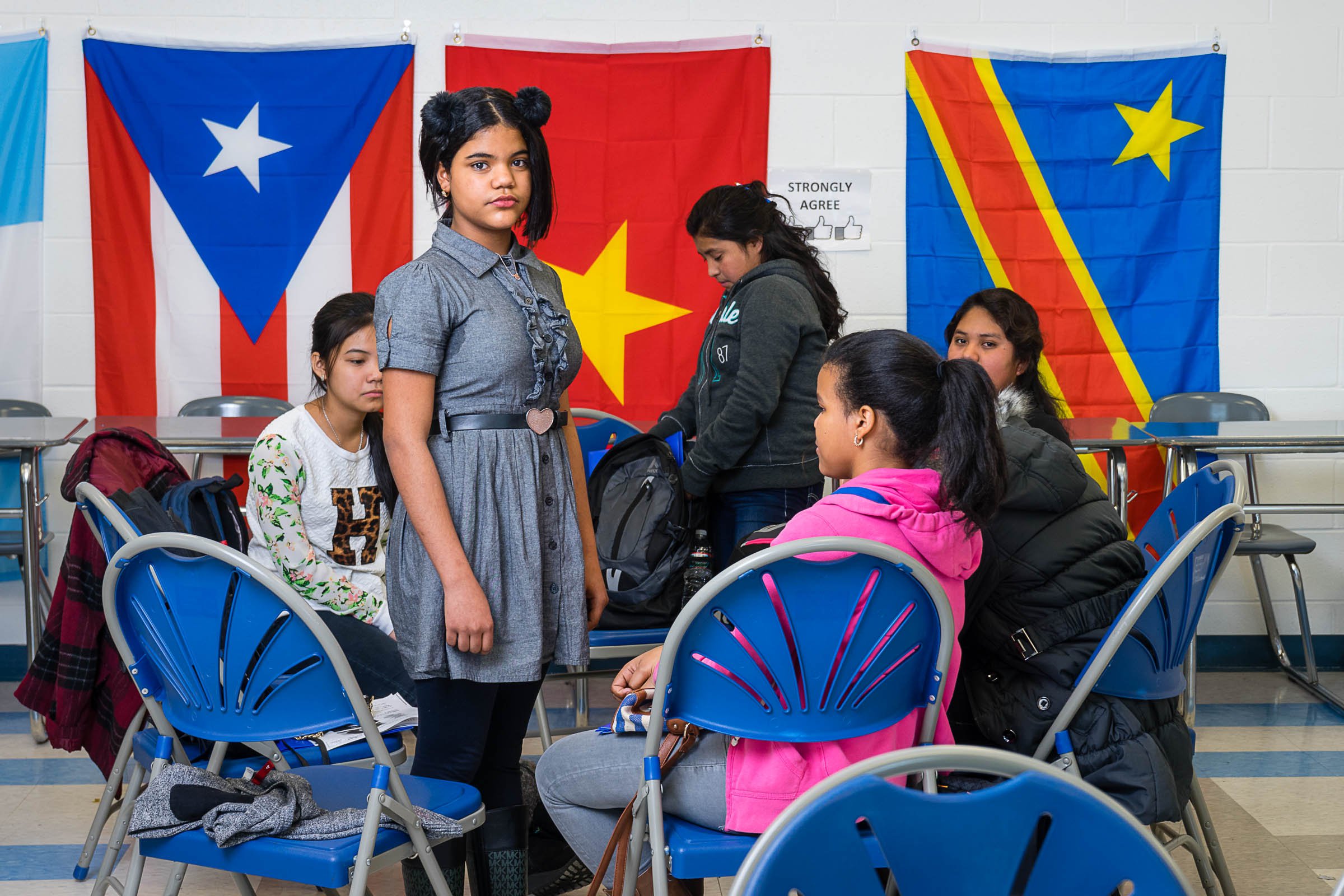
Filmmaker Jean-Michel Dissard, who emigrated from France at age 15, reorients the immigrant narrative in his film, I Learn America. The film follows five students from the International High School at Lafayette, a public school in Brooklyn, New York, as they navigate a new world during their teenage years. The stereotypically angst-ridden period of self discovery we all experience is difficult enough, but these teens have the additional stresses of learning a new language and culture.
Each of these students faces entirely different challenges. Brandon, from Guatemala, is reunited with his mother after 10 years apart, yet he feels as though she鈥檚 a stranger. Itrat emigrated Pakistan with dreams of completing her high school education and going to college but is arranged to be married. Sandra, from Poland, is a bubbly class clown who is coming to terms with her gender identity. Jennifer came from the Dominican Republic, escaping an unsafe family situation with her mother and siblings. And Sing, from Myanmar, is the only person at school who speaks his language. The protagonists of the film offer a window into life at International High School at Lafayette, where students are seen as 鈥渁ssets, not issues.鈥�
What makes these students relatable is that they suffer from the same challenges that most teenagers do. From fretting over what to wear to prom to choosing sports over homework, the students that Dissard portrays display both the immigrant and teenage sides of the story. The beauty of Dissard鈥檚 film is that he paints these immigrant students in a light not too foreign from that of the typical American teenage experience, as he shows these students facing many of the same trials and tribulations that all high school students encounter. His depiction of what it is like to be a high school immigrant in America resonates because it focuses on what we have in common rather than what makes us different.聽聽
Dissard said the political climate was very different when he originally made the film in 2013, and 鈥渇ar more hopeful.鈥� Since 麻豆果冻传媒 election last year, Dissard has noticed a change in viewers鈥� reactions to his film. He travels around the country showing the film in schools to provide a platform for dialogue, and within the last year, he鈥檚 noticed that immigrant students have been talking less about their hopes for the future and more about fear. They have been talking about how they鈥檙e scared, 鈥淪cared of not knowing if when they go back home their parents will still be there, of if they鈥檙e going to be deported鈥� students wonder whether or not they should tell their stories, or if it鈥檚 safer to remain quiet.鈥�
It is because of this nativist political climate that this film is so important. My hope is that more people will see this film and realize that immigrants aren鈥檛 the 鈥渕onsters鈥� they appear to be on television. People have increasingly been segmented into silos and echo chambers that reinforce their beliefs. 聽Dissard knows this, and to counteract this inertia he brings the film to students from all backgrounds. He knows his film will resonate and humanize immigrants in his audience鈥檚 eyes. He knows his film will encourage more Americans to stand up for their immigrant neighbors.
Dissard also wants his film to encourage those who watch it to tell their own stories and continue giving these stories a platform. Going forward,his goal is to record as many histories of immigrant children from around the country as he can. At , you can find an entire 鈥淗uman Library鈥� filled with the self-told narratives of immigrant children from across the country.
I Learn America is fighting an uphill battle, trying to change the image of immigrants in America鈥檚 current political climate, but it is fighting with the immigrant drive. Whether coming as refugees or brain-drain kids, American immigrants share a universal drive to provide their children with a better life. By showcasing the everyday struggles of young immigrants, Dissard is closing the cultural gap between American teens and their immigrant counterparts. Through his film and others that dare to challenge propaganda with the truth, we can correct the narrative surrounding American immigrants.
This blog post was written by聽Maya Vannini, a member of YouthWire, led by聽Tim Haydock, a 2017 CA Fellow.聽聽
Issues
Programs/Projects/Initiatives
Topics
Related

Can California Plan for Equitable Growth in the Face of Climate Migration?
Community Priorities for Public Policy