A Chapter of: Essay: Reframing the U.S.-China AI 鈥淎rms Race鈥�
Introduction
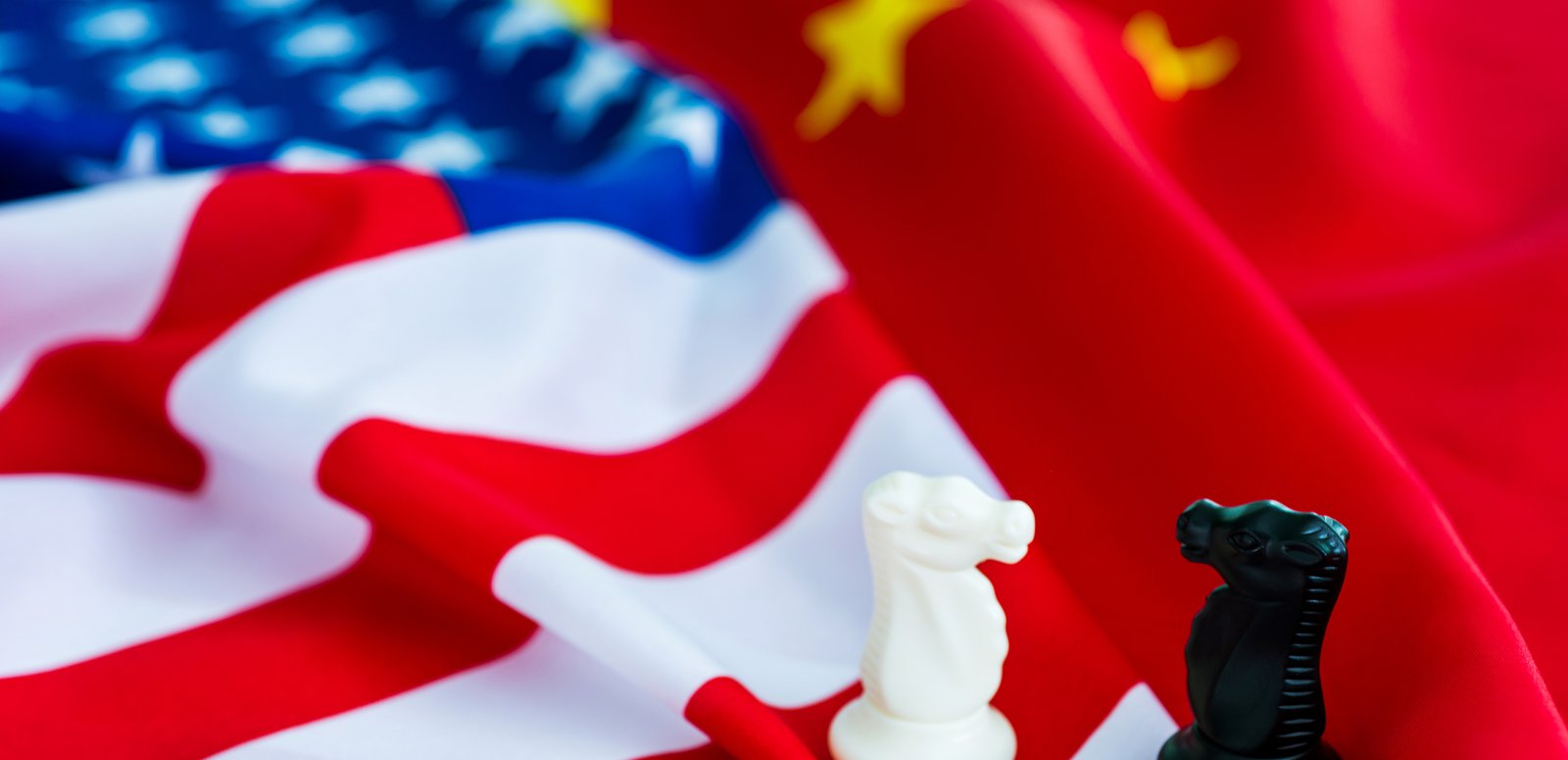
China is going to develop superior artificial intelligence and take over the world, it seems鈥攁t least if one listens to what many commentators have been shouting from the rooftops. Indeed, over the past year, American security analysts, policymakers, and journalists alike have increasingly used a Cold War-era analogy to describe issues around the development of artificial intelligence (AI)鈥攕pecifically characterizing the state of U.S.-China technological competition as an 鈥淎I arms race,鈥�1 whereby the United States and China are presumably locked in competition for artificial intelligence hegemony.2 鈥淯ltimately, we will win the race for AI,鈥� President 麻豆果冻传媒 Deputy Assistant for Technology Policy Michael Kratsios recently wrote.3 Talk of U.S.-China 鈥渁lgorithm battles鈥� even made it into a 2018 U.S. National Security Council memo.4
Here, the framing is clearly winner-takes-all: One nation will reap the benefits of artificial intelligence, in fashions as wide-ranging as accelerated economic growth and enhanced military capability, while the other loses out and faces defeat. But this framing of artificial intelligence is not only wrong, it鈥檚 dangerous, and it seriously hampers the ways in which American policymakers approach the management of China鈥檚 technological rise and the development of artificial intelligence within our country. The United States needs to quickly address China鈥檚 growing AI development; artificial intelligence will have important influence over the balance of international power5 and the future world order6 鈥攂ut, as this report will address, a winner-takes-all arms race framing is not the appropriate lens through which to view this strategic threat.
The first chapter argues why this winner-takes-all arms race framing treats AI development as if it occurs in vacuums within the United States and China. By ignoring the interconnection and interdependence of the sectors between the two countries, this framing causes American policymakers to overlook the many mutual benefits that could arise from the furthering of global artificial intelligence capabilities. As a result, policymakers in the United States risk causing damage to AI development, missing opportunities, and mishandling AI risks鈥攚hen they should focus on engaging with China on AI projects without giving up critical expertise or technologies that could potentially enhance harmful applications of artificial intelligence.
The second chapter argues why this framing incorrectly treats artificial intelligence like one technology, rather than a catch-all term that alludes to a variety of technologies. This is blatantly wrong and overlooks the varying speeds and mechanisms of AI鈥檚 development in different application areas. Once again, American policymakers may mishandle AI risks and miss out on AI upsides as a result.
A winner-takes-all arms race framing is not the appropriate lens through which to view this strategic threat.
The third chapter explains why AI competition between the United States and China is critically important, even if the winner-takes-all arms race framing is wrong. Artificial intelligence is an increasingly major factor in state power鈥攑rimarily economic growth and military capability. In an era of great power competition between the United States and China, AI will therefore play an important role in the balance of international power and the future world order. Further, the country with superior implementations of AI will set important global norms around the use of AI in society writ large, which could influence governance in a number of countries.
Finally, I will offer options for reframing AI competition鈥攁way from an arms race metaphor鈥攊n a fashion which maximizes AI development in the United States while avoiding potentially problematic outcomes and hopefully limiting the contributions of AI to Chinese power.
Citations
- Among many other examples: Uri Friedman, 鈥淭he Trump Administration Debates a Cold War With China,鈥� The Atlantic, November 30, 2018, ; Michael Auslin, 鈥淐an the Pentagon Win the AI Arms Race?鈥� Foreign Affairs, October 19, 2018, ; Rajeswari Pillai Rajagopalan, 鈥淭he Trouble With China鈥檚 Edge in the AI Arms Race,鈥� The Diplomat, August 10, 2018, ; Julian E. Barnes and Josh Chin, 鈥淭he New Arms Race in AI,鈥� The Wall Street Journal, March 2, 2018, ; Joe Pappalardo, 鈥溾�楩ake News鈥� Is Sparking an AI Arms Race,鈥� Popular Mechanics, September 18, 2018, ; and Clay Chandler, 鈥淲hy China Has An Edge In the A.I. Arms Race,鈥� Fortune, June 25, 2018, .
- For related, interesting reading on China鈥檚 aspirations for hegemony in quantum technology, see: Elsa B. Kania and John Costello, 鈥淨uantum Hegemony? China鈥檚 Ambitions and the Challenge to U.S. Leadership,鈥� Center for a 麻豆果冻传媒n Security, September 12, 2018, .
- Michael Kratsios, 鈥淲hy the US Needs a Strategy for AI,鈥� WIRED, February 11, 2019, .
- In January 2018, Axios reported that a U.S. National Security Council memo warned of China 鈥渟lowly winning the AI 鈥榓lgorithm battles.鈥欌�� See: Jonathan Swan, David McCabe, Ina Fried, and Kim Hart, 鈥淪coop: Trump team considers nationalizing 5G network,鈥� Axios, January 28, 2018, .
- Michael C. Horowitz, 鈥淎rtificial Intelligence, International Competition, and the Balance of Power,鈥� Texas National Security Review (Vol. 1: Issue 3), May 2018, .
- Nicholas Wright, 鈥淗ow Artificial Intelligence Will Reshape the Global Order,鈥� Foreign Affairs, July 10, 2018, .