Climate Migration Is an Opportunity for Resilience and Growth
Although an environmental crisis due to climate change is , climate migration can present a meaningful opportunity for many receiving communities. Through proactive, equitable, and collective planning, local governments, civil society, and the private sector can not only mitigate the negative effects of migration, but also harness future growth to improve quality of life for all residents.
Climate Migration as an Adaptation Strategy
Natural disasters鈥攅specially repeated natural disasters鈥攕uch as storms, wildfires, and severe flooding are physically and mentally traumatic; livelihoods, education, and social cohesion; and negatively impact housing security and . Research also indicates that exacerbates racial and socioeconomic inequities in the United States. And after a disaster, many Americans struggle to rebuild their damaged house or find safe and affordable housing long term, in part due to a confusing patchwork of insurance coverage and government aid.
from CoreLogic indicates that 64 percent of U.S. homeowners insurance policies fail to sufficiently account for disaster risks, and this trend is often worse in many climate-vulnerable areas: In California鈥檚 wildfire regions, for example, of homes are underinsured. Nationally, over of the $145 billion in losses due to 2021 disasters were not covered by insurance. Even if insurance policies do cover natural disasters, policyholders sometimes struggle to receive payouts in a timely manner or face increased coverage costs. Homeowner premiums increased an average between 2021 and 2022 in the United States, in part due to increasingly expensive storms, floods, and fires.
The federal government and some states do provide insurance policies that protect against flooding and other disaster hazards. But these services fail to completely close gaps in , and many programs are at risk themselves of becoming for the average homeowner. Other post-disaster aid from the Federal Emergency Management Agency (FEMA) and HUD is not intended to cover the of home repair, while federally funded buyout programs are inefficient and largely unpopular.
These gaps and inefficiencies can cause financial ruin after catastrophe strikes, leaving homeowners responsible for repairs or reconstruction. Additionally, sea-level rise, extreme vulnerability to wildfires or flooding, and other climate impacts could dramatically across the country, resulting in loss of equity or an (see previous section).
The United States is also likely to experience a significant decrease in affordable housing stock within climate-vulnerable areas. More than are at risk of chronic flood inundation by 2045, rendering these properties uninhabitable. Constrained supply will have cascading effects, especially in low-lying cities, which are likely to experience higher rents and mortgages, in turn leading to increased levels of housing insecurity such as evictions, foreclosures, and overcrowding.
For a number of health and safety, economic, and social reasons, therefore, migration should be viewed as a climate adaptation strategy. It is a logical if somewhat forced decision undertaken to increase resilience and improve overall well-being. Potential benefits of migration to less climate-vulnerable areas for migrants themselves include from natural disasters and slow onset impacts; greater household stability, living conditions, and peace of mind; and increased access to jobs, education, and health care.
Relocation can empower individuals and communities, providing climate migrants with greater decision-making abilities over their livelihoods and future. Migration and associated cultural exchanges can also foster greater understanding and tolerance. And new social networks and support systems in receiving communities, which can provide emotional, material, and financial support amid hardship, are crucial for migrants鈥� resilience in the face of social, economic, and environmental challenges.
Rising Home Values and Neighborhood Revitalization
While a population influx can constrain housing supply and housing costs,1 case studies in Florida, Louisiana, and Texas suggest that the effects of climate migration on were short-lived. Markets in various Gulf Coast communities either adjusted to the initial spike in demand, or migrants eventually moved to other, more affordable places nearby.
Extrapolating from trends related to international immigration into the United States, that immigrants tend to improve their neighborhoods and help increase their new neighbors鈥� wealth. by the Americas Society, Council of the Americas, and the Partnership for a 麻豆果冻传媒n Economy shows that increased immigration into a county corresponds with economic gains reflected in the local housing market. These benefits are partly due to the fact that immigrants revitalize underinvested neighborhoods in and near expensive American cities, creating new markets for middle- and working-class U.S.-born households. For hard-hit Rust Belt counties particularly, immigration has acted as a against additional declines in home values. In parallel, revitalization helps to relieve pressures in close-by high-cost housing markets. Domestic climate migrants might also avoid expensive neighborhoods and instead 鈥渓ift up鈥� more affordable or declining areas. Assuming enough added density and an associated boost in home values, such growth will make these areas more attractive to the wider population.
Increased demand for housing due to migration can lead to more construction of housing stock,2 and also create an in existing homes. A by the Harvard Joint Center for Housing Studies notes that small multi-family properties in the Boston metropolitan area are popular options to facilitate immigrant homeownership. Older or vacant homes in less climate-vulnerable regions, such as the Northeast and the Midwest, may provide similar options for climate migrants. Many of these buildings will require maintenance, upgrades, and retrofitting; while expensive, these projects can increase property value and also present an opportunity to develop more climate-resilient and energy-efficient housing.3
Community-Level Benefits of Migration
Beyond housing, climate migration can help to drive economic growth and revitalization in receiving cities. Population increase benefits a local economy by boosting demand for goods and services, in the local labor market, and increases a municipality鈥檚 tax base. American climate migrants will arrive with a diverse range of professional experience, skills, and educational backgrounds that can complement the existing labor pool within a receiving community. Many workers could come from key industries in the Southeast and Southwest, including manufacturing, health care, agriculture, energy, and tourism. Such an infusion of new skills and knowledge can help to foster innovation and drive growth in these sectors and elsewhere.
According to the , migrants are more likely to be self-employed and start their own businesses in comparison to long-time residents. from Boise State University finds a significant and positive relationship between domestic migration of young, single, and college-educated individuals with new business creation. The proliferation of small businesses, in turn, can help to increase employment and local wages.
Last, climate migration can enrich a receiving community culturally. Migrant populations with diverse backgrounds will introduce new traditions, cuisines, and perspectives, which will translate into more vibrant and inclusive cities. Cultural exchange can lead to innovation and knowledge exchange, fostering creativity and problem solving.
Case Study: Cincinnati, Ohio
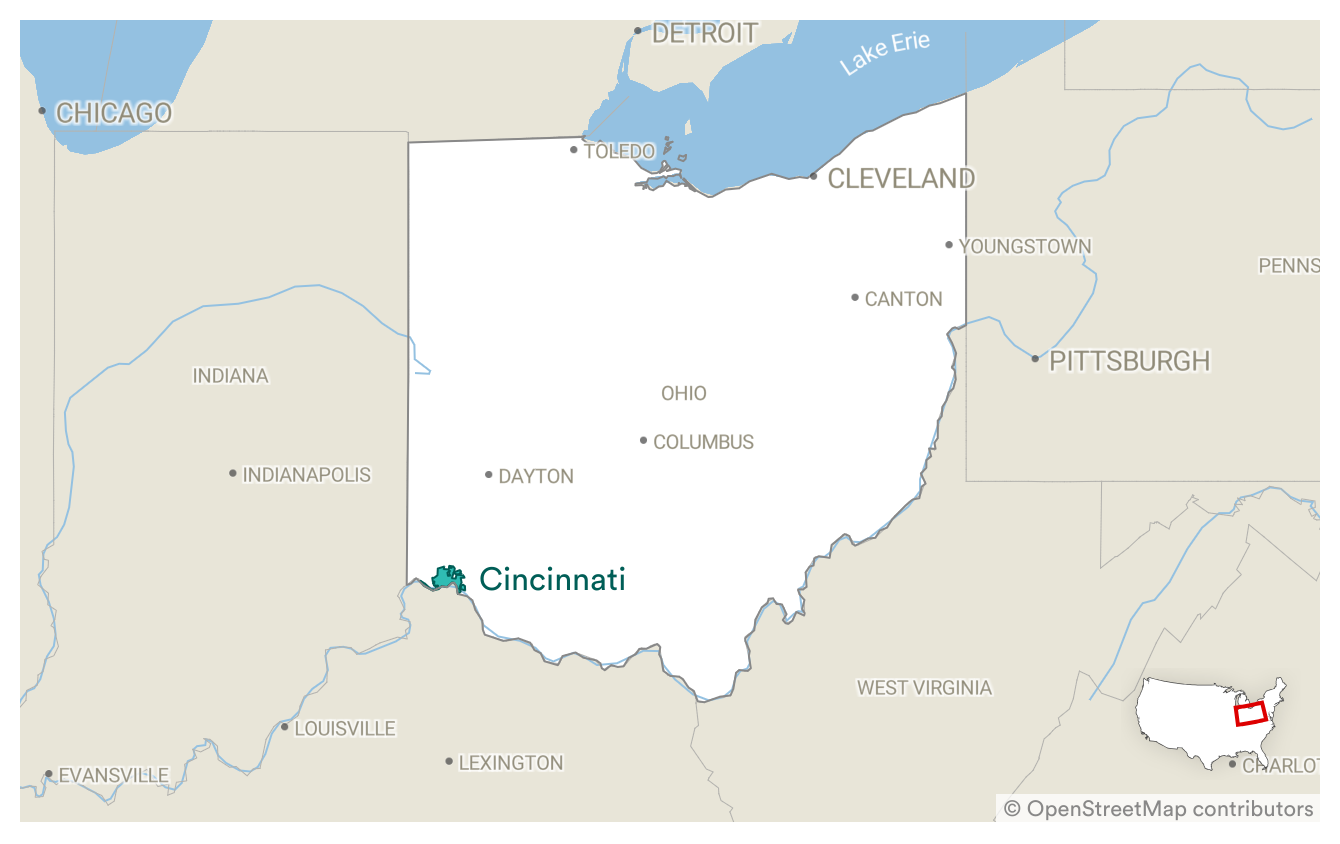
Similar to other 鈥渓egacy cities鈥� in the Midwest and Great Lakes region, Cincinnati has experienced a decline in population over the last 70 years. But in the coming decades, the south Ohio city could experience significant climate-related population growth,4 as it avoids some of the worst impacts of climate change due to its geography and ample water supply.
Local leaders view future climate-driven migration to Cincinnati as a potential opportunity for socioeconomic growth and are planning accordingly. The Green Cincinnati Plan, developed in and then updated in , includes recommendations to position the city as a climate haven. If implemented, the plan would improve Cincinnati鈥檚 preparedness to receive climate migrants both in the short term鈥攂y improving sewer systems and increasing beds and food reserves in shelters鈥攁nd in the long term鈥攖hrough development of a 鈥渃limate migration response plan鈥� and implementation of affordable and mixed-income housing strategies.
Thus far, the has worked to reduce flood risk, by improving stormwater drainage and 鈥渄aylighting鈥� covered streams, and also substantially increased funding for public transit. Notably, Cincinnati decision makers also engaged residents in to collaboratively develop 鈥渘eighborhood climate resource plans,鈥� which analyze how each community is impacted by climate change and identify solutions based on resident input.
As in other potential climate havens, housing access is crucial in Cincinnati鈥檚 response to climate migration. estimated in 2017 that the 15-county region surrounding Cincinnati in Ohio and Kentucky, with a population of 2.1 million, had approximately 37,400 vacant housing units. Exacerbating this crunch, a noted that 鈥渁 vacant unit doesn鈥檛 mean a habitable unit,鈥� as many buildings around Cincinnati are in some state of disrepair. Hamilton County, home to Cincinnati, is undergoing population growth for the with a current deficit of approximately that are affordable for extremely low-income households. Local leadership must prioritize allocating resources towards housing to meet the needs of current and projected future residents.
Cincinnati鈥檚 plans for climate resilience at both the city and neighborhood level represent an actionable and equitable strategy to prepare for potential inflows of climate migrants. The challenge moving forward is to secure the funding and technical expertise to create a prosperous and resilient future.
Citations
- Following the 2018 fire that destroyed the California town of Paradise, for example, home prices in neighboring Chico climbed 21 percent.
- It is worth noting, however, that stringent zoning laws at the local level, as well as political opposition (i.e., 鈥渘ot in my backyard鈥�), can constrain the development of high-density housing.
- Even if significant migration does not occur, increased housing supply and investment in existing housing stock will benefit the community.
- Cincinnati has yet to experience significant climate-related migration to date, although approximately 2,000 people from New Orleans sought refuge in the city after Hurricane Katrina, which illustrated to the city鈥檚 Office of Environment and Sustainability the importance of incorporating climate migrants into the community.