Yuliya Panfil
Senior Fellow and Director, Future of Land and Housing
Summer has come, and it promises to be among the on record.
It鈥檚 only June but Arizona is already baking under 110 degree temperatures. And the state鈥檚 most vulnerable residents are cooking too, trapped in flimsy mobile homes that landlords are them from equipping with lifesaving A/C units. Mobile homes make up only 5 percent of the state鈥檚 housing stock, but account for of heat deaths.
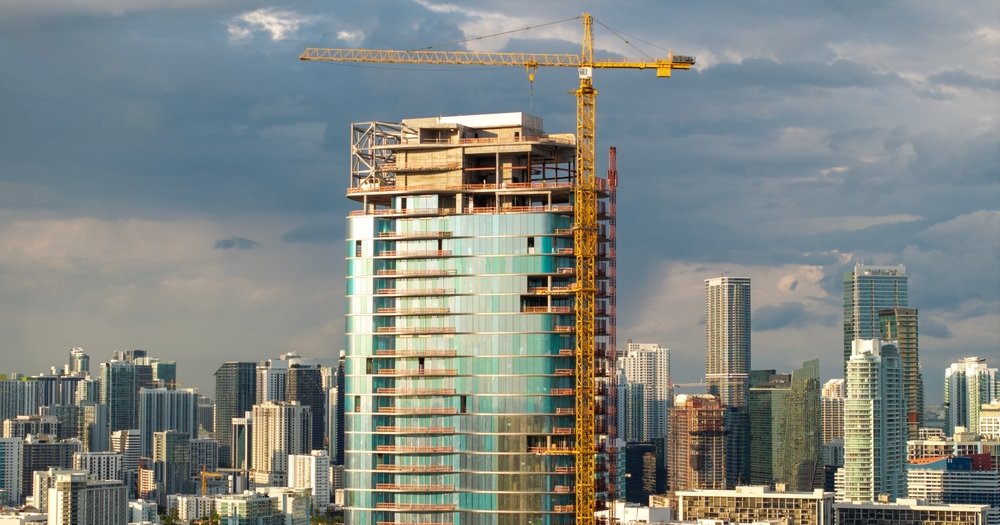
Meanwhile, communities in Florida, Texas and Puerto Rico are battening down the hatches for what promises to be an hurricane season. But hatches look different, depending on wealth, class and race. Miami鈥檚 luxury towers are fortressed with hurricane-proof windows and flood panels, while Texas鈥� , which house half a million of the state's poorest residents, are located inside the drainage areas of dams built to keep wealthier areas safe from flooding. After the storms hit, the Federal Emergency Management Agency (FEMA) will unleash billions of dollars in housing reconstruction funds, but the shows the money won鈥檛 reach the low-income and minority residents whose homes will sustain the most damage.
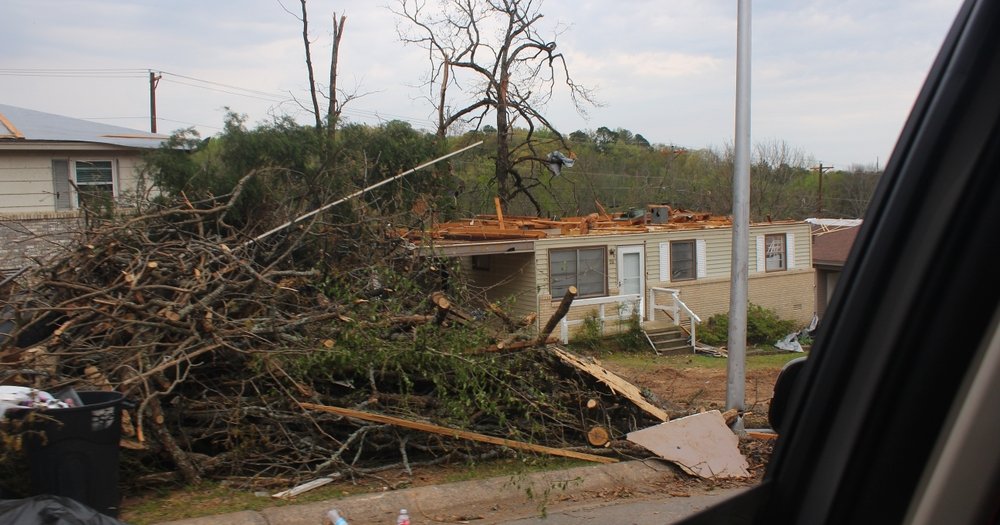
Already in Northwest Arkansas, tornadoes destroyed hundreds of older homes over Memorial Day weekend. The people displaced 鈥� many of them old, poor or sick 鈥� are the ones least able to rebuild or relocate. And housing prices have risen so sharply in this corner of the state that homeowners insurance won鈥檛 cover the replacement value of their homes.
"People are going to have to go 20 or 30 miles out of town to find housing at the same prices," in the days after. 鈥淸They鈥檒l] be couch-surfing for months."
But at least homeowners in Arkansas have access to some form of homeowners insurance.
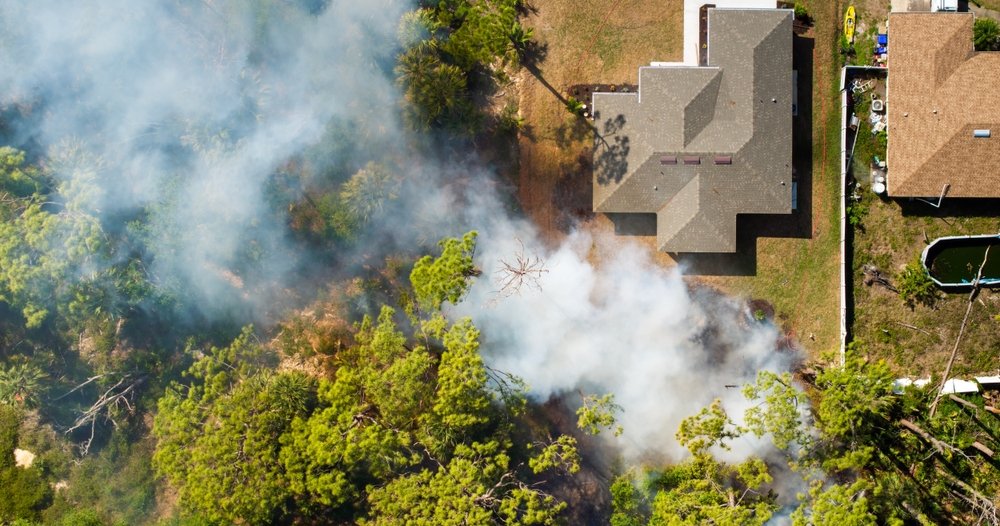
Large insurers have fire-prone California, and smaller ones risk becoming insolvent. As increasingly frequent and severe wildfires devastate hundreds of thousands of properties, private insurance companies鈥� bottom lines can't sustain coverage in an area they see as too climate-vulnerable to insure. The exodus has led to a kind of climate gentrification: the only homeowners who can remain in the state are those wealthy enough to afford the inflated prices of California鈥檚 , or liquid enough not to need a mortgage loan.
These examples make obvious a fact that most of us know intuitively: home is where the majority of Americans will experience the first and worst climate impacts. For millions of us, where we live and the kind of home we live in will determine just how bad climate impacts will be, and how quickly we will be able to recover from them.
And as Dana Bourland, Senior Vice President at JPB Foundation, recently , our history of racist housing policies has led to the reality today that Black people, Indigenous people, and people of color are the most likely to lack access to safe and affordable housing 鈥� and to live in the most climate-vulnerable places.
These same populations are also less able to rebuild their homes, either because they lack liquidity or government or private dollars to finance repairs. And many are forced to stay in increasingly dangerous conditions because they lack the means to move away.
For all these reasons, access to safe, adequate, and affordable housing for all 鈥� otherwise known as housing justice 鈥� is perhaps the single most effective way to ensure climate justice.
Climate justice: a subset of the Environmental Justice movement that highlights the disparate impacts of climate change on vulnerable communities, and advocates for a fairer distribution of resources to address the impacts of climate change.
Housing justice: equitable access to safe, affordable, and adequate housing, regardless of their socioeconomic status, race, gender, or other characteristics. It is rooted in the belief that housing is a fundamental human right.
Community leaders know this well. One would be hard pressed to find a grassroots climate justice organization that does not include housing security within its platform.
Federal policymakers are also beginning to draw the link. HUD鈥檚 2021 , for example, recognizes the housing agency鈥檚 centrality in addressing the climate crisis and HUD鈥檚 subsequent annual budget requests have included hundreds of millions of dollars earmarked for increasing climate resilience and addressing environmental injustices.
And three recent federal legislative packages 鈥� the Inflation Reduction Act (IRA), the Infrastructure Investment and Jobs Act (IIJA), and the American Rescue Plan Act (ARPA) 鈥� offer trillions of dollars of funding for climate resilience, a significant portion of which can be used for housing.
But these national funds and directives don鈥檛 always reach the communities who need them.
As we鈥檝e written before, most small towns lack the bureaucratic infrastructure to apply for and implement the federal climate programs that fund action on housing justice. In many cities and counties, climate-related bodies (to the extent they exist) are siloed from housing offices; many cities are unaware that the resilience and adaptation funds within the IRA can be used to build affordable housing, for example.
And because decisions related to this funding 鈥� from how it鈥檚 used to how it鈥檚 allocated 鈥� come from the top down, the outcomes can be unjust for local communities. For example: Harris County, Texas implements the nation鈥檚 only large scale mandatory buyout program for flood-prone homes. These buyouts are primarily occurring in Houston鈥檚 poor communities of color, leaving residents irate that their neighbors in wealthier and whiter (but equally flood-prone) areas are not being forced to move.
It turns out, this targeting is intentional: as county staff told , 鈥淗UD requires that certain grants benefit low and moderate-income communities.鈥�
While it鈥檚 true that Black and brown neighborhoods are to be in flood-prone areas, the funding incentives guiding the implementation of federal grant funds continue patterns of harm for marginalized residents. When frontline communities don鈥檛 participate in policy planning, well-intentioned climate justice policies result in perverse impacts.
Grassroots and community organizations have an easier time accessing and deploying philanthropic dollars, but few climate philanthropies provide money for housing. And over the last decade several large funders, including Ford Foundation and Omidyar Network, have wound down their housing investments 鈥� a perplexing choice in the midst of our country鈥檚 housing affordability crisis.
Where to next?
1. More funding for housing justice
A body of literature outlines the myriad ways in which housing forms the backbone of climate and environmental justice. Given the centrality of stable housing for achieving climate resilience, almost any housing justice investment will have either direct or knock-on impacts for bolstering climate justice.
And yet, housing is less affordable now than any point in recent memory. In other words: as climate impacts increase, the capacity of our housing to provide us with climate resilience is actually decreasing. And, the populations most at risk for climate impacts are exactly the ones experiencing the most significant housing affordability and housing stability shocks. By leaving these frontline families behind when it comes to safe and affordable housing, we are dealing a simultaneous blow to housing justice and to climate justice.
For all these reasons, any funder who cares about climate justice should be putting funds into housing security.
2. Solving the last mile problem for impacted communities
The good news is that the federal government is increasingly making the link between housing justice and climate justice in its policies, planning, and funding.
But we suffer from a last mile problem: the funds to the communities who need them most, and often the solutions that do reach communities aren鈥檛 necessarily the ones they would have opted for, if asked.
We must build the capacity of frontline communities to apply for and administer climate funding. That includes funding intermediary organizations like Houston-based , which stood up an online system to help residents most impacted by the storm easily access home rebuilding funds. It also includes relaxing the overly burdensome federal and state guidelines around the allocation and use of climate funds.
3. Centering impacted communities in planning housing justice solutions
We must also include impacted communities in the design of climate-related housing justice initiatives. Residents often provide direct input into local housing policy decisions, often with the help of grassroots organizers. At their best, these examples of community-centered planning can lead to profound and sometimes surprising impacts. In Kingston, New York, for example, residents worked with the mayor to determine that a fitting solution for the city鈥檚 housing affordability crisis was to rents. A state housing law allowed tenants to form a board that voted to decrease rent by 15 percent鈥� an unprecedented solution to a common problem. In Kansas City, resident-led organizations pushed the city to establish a program that provides free legal representation to every tenant in eviction court. The program has prevented since 2022.
One could imagine user-centered design processes yielding transformative changes to building codes, housing-related climate mitigation support, and post-disaster housing aid. Asking communities what they need and how they prefer to access assistance ensures that the climate justice solutions devised in Washington and state capitals are actually just.
Senior Fellow and Director, Future of Land and Housing