Elena Silva
Senior Director, PreK鈥�12 Education
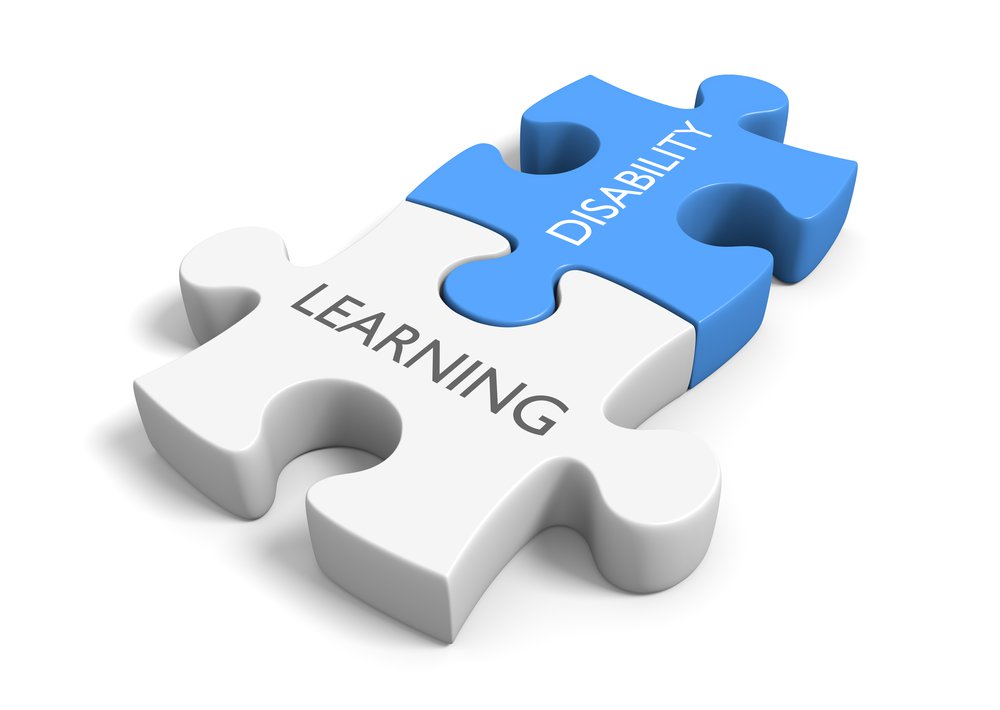
The COVID-19 school closures, now expected to last , will impact more than 54 million students across the country (see ). Of these students, more than have mental, physical, emotional and behavioral disabilities and receive special education services.
The impact of school closures on students with disabilities and their families will be immense and will test our capacity and commitment to serve one of our most vulnerable student populations. Even before the COVID-19 closures, states, districts, and schools struggled to provide what is required by law to students with disabilities. Before schools closed, if you asked any district or school administrator or educator if there were adequate resources to serve the needs of these students–students with speech and language impairments, hearing impairments, students with autism, intellectual disabilities, physical disabilities, emotional and behavioral disabilities, and more–the answer would have been a resounding no.
No surprise, then, that schools and districts are overwhelmed by the task of serving these students remotely. In the United States, two major federal laws protect students with disabilities. , first authorized in 1975, governs special education services for students ages birth to 21 and provides funding to state and local education agencies to ensure the provision of a 鈥渇ree and appropriate public education鈥� (FAPE). Under IDEA, school districts must identify and evaluate all children suspected of having a disability and provide an Individual Education Plan (IEP) for each eligible student. is a civil rights law designed to eliminate discrimination on the basis of disability and applies to any programs or institutions that receive federal funding, including public schools. In an education setting, has a broader definition of disability than IDEA and does not provide funding (although can result in the removal of funding for agencies that do not comply), but does provide students with 鈥�504 plans鈥� (difference between 504s and IEPs laid out nicely ).
Together, these laws provide protections and rights for students with disabilities but they also raise a complicated set of questions now that schools are closed.
How will districts and schools remotely provide the 鈥渞elated services鈥� that are required in IEPs, including speech, physical, and occupational therapies, counseling services, and medical and health services? Who will determine which services can be delivered at a distance and which cannot? How will IEPs and 504 plans be reviewed and modified, and how will progress toward goals be evaluated? What do educators and other staff need to know about setting up and facilitating virtual IEP meetings? If students don鈥檛 receive services during closures, will they get extra compensatory services when schools reopen?
Over the past several weeks, the U.S. Department of Education (ED) has issued guidance that has over whether federal special education laws require schools to ensure that students with disabilities have equal access to the same learning provided to the general population. Initially, ED that if a district continued to provide instruction to all students, it must provide equal access to students with disabilities, including provisions. After reports that districts were holding back to avoid noncompliance, ED issued from its Office for Civil Rights and Office of Special Education and Rehabilitative Services that clarified that districts should not avoid developing and providing an online learning program because of IDEA and Section 504 compliance challenges. The guidance points to flexibility in federal disability law, noting that 鈥�during this national emergency, schools may not be able to provide all services in the same manner they are typically provided. While some schools might choose to safely, and in accordance with state law, provide certain IEP services to some students in-person, it may be unfeasible or unsafe for some institutions, during current emergency school closures, to provide hands-on physical therapy, occupational therapy, or tactile sign language educational services.鈥�
Further from ED reinforces that school districts and officials have substantial latitude and discretion to make decisions that serve their local needs, but also asserts the obligation of school systems to avoid discrimination on the basis of disability under federal law, and provides some details for how districts and schools might move forward with the basics. It explains, for example, that IEP meetings can occur remotely during school closures, that evaluations and re-evaluations can still take place online, and that meetings and observations that require in-person contact can be postponed until schools reopen. It also points to , the federal law that protects the privacy of student education records (including health records of students), although disturbingly there is not a single mention of technology or how student privacy would be protected in this now online learning context.
To be sure, we will learn a lot from this experiment in the remote delivery of special education, although not immediately and unfortunately not before many students with disabilities go without services and fall even further behind their peers. Eventually, we can hope this crisis exposes not just the faults in the system but also ways to improve it. Consider the intimidating, inefficient, and paper-filled practice of. Could this unplanned move to online learning also be an opportunity to reconsider, granting privacy and legal concerns, how to get these documents and this process online so parents, teachers, administrators, nurses, and therapists can collaborate remotely and asynchronously?
Meanwhile, in these unprecedented circumstances, with no guidebook to follow, system leaders, school leaders, educators, parents and other caregivers across the country are figuring this out the best they can. They are turning to state-issued guidance, like California鈥檚 and Washington鈥檚 , to , to resources to support parents, teachers, and students from the , , the , the , as well as a host of other tools to make sure online learning reaches all students.
Interested in staying up to date on education and workforce policy? Subscribe to our newsletter to receive updates on the latest from our experts.
Senior Director, PreK鈥�12 Education