Ivy Love
Senior Policy Analyst, Center on Education & Labor
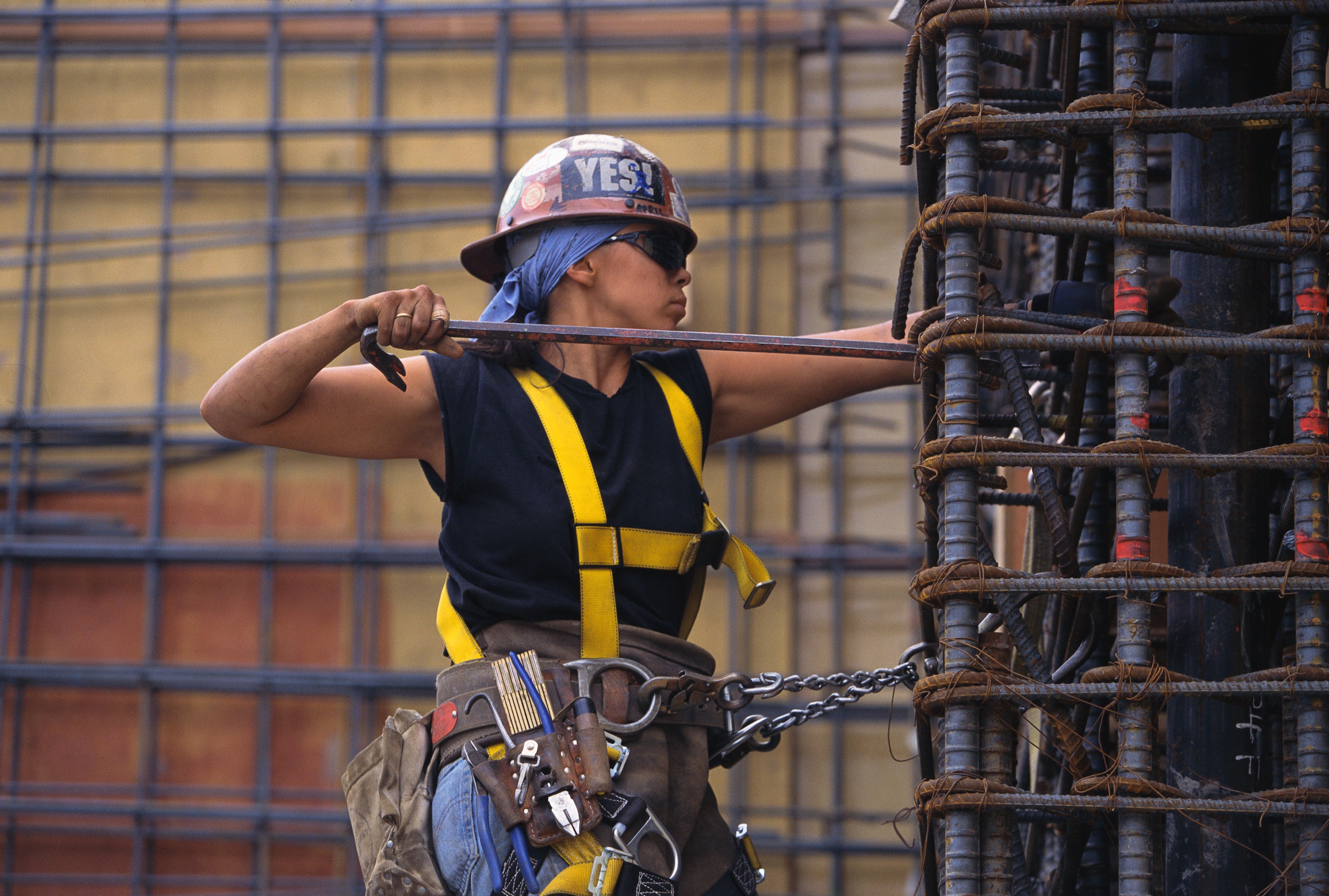
Preparing more women for apprenticeships in male-dominated occupations can benefit individuals and families - and provide employers access to a largely untapped pool of talent.

Imagine a room of a hundred folks ready for the first day of an apprenticeship program. They鈥檙e excited to learn from experienced mentors and take classes to prepare them for success in their chosen occupation. When they鈥檙e done with the apprenticeship, they can look forward to earning around the national median household income right away. The economic and professional opportunities this apprenticeship provides will ripple out through their families and communities. It鈥檚 a huge day for them.
Unfortunately, if this group of 100 reflects current apprenticeship participation in the US, only of these apprentices are women.
Yes. You read that right: seven percent of apprentices in the US today are women. But things don鈥檛 have to be this way. The US Department of Labor recently announced the 2018 Women in Apprenticeship and Nontraditional Occupations Technical Assistance Grant () funding to improve opportunities for women to access apprenticeships and enter traditionally male-dominated occupations.
WANTO will provide two to six grants of $250,000 – $500,000 to community-based organizations to offer technical assistance to employers and unions to increase recruitment, training, and retention of women in occupations where they are underrepresented, especially those that use apprenticeship to bring in new talent. Grantees may carry out the purpose of in a few specific ways: leveraging new or existing pre-apprenticeship programs and other training strategies that prepare women to enter non-traditional fields; offering guidance to unions, employers, and workers on cultivating a supportive workplace environment for women; and building supportive networks among women in nontraditional occupations to encourage retention.
The work supported by WANTO grants is sorely needed today. Apprenticeship is gaining in popularity across the country and on both sides of the aisle, but women are still starkly in key middle-skill occupations in sectors like (26 percent), the (9 percent), and (29 percent) – all of which offer family-sustaining wages and to varying degrees rely on apprenticeship to bring in new talent. Preparing more women for apprenticeships in these occupations can provide employers access to a largely untapped pool of talent.
But getting women into male-dominated occupations through apprenticeship isn鈥檛 enough to achieve gender equity. Nearly of women report experiencing sexual harassment on the job in construction trades. Just over of women in cybersecurity report experiencing some form of discrimination, and over of surveyed senior women in manufacturing feel that performance standards are higher for women than men in the field. Leveraging WANTO funds – and other resources – to support employers committed to fostering respectful, supportive environments for women can take the conversation about gender equity in male-dominated jobs beyond access to long-term success.
First offered in 2007, WANTO has supported between three and six grantees each year funding has been available, with a 2017 total of just under . While these grants are opening doors for women in the communities served, the program funding is a drop in the bucket of what鈥檚 needed to achieve gender equity in apprenticeship and traditionally male-dominated occupations. Philanthropy, states, and local governments can also provide resources to achieve needed growth in women鈥檚 access to apprenticeships and good jobs in nontraditional occupations.
Just as WANTO activities include promoting recruitment, training, support, and retention of women in nontraditional occupations, other stakeholders can follow suit and implement holistic strategies to support women鈥檚 interest in new career paths and their inclusion in occupations where they are traditionally underrepresented. When more women enter and succeed in these roles, they are not the only winners; employers, communities, and families can all reap benefits. As apprenticeships grow in the US, that鈥檚 exactly what equity-focused stakeholders in education and workforce development WANTO see.
Senior Policy Analyst, Center on Education & Labor