
Sarah Jackson
Principal at SJackson LLC
Children have more anxiety, challenging behavior, hunger, and mental health needs. Educators say they鈥檒l need more support to succeed in kindergarten and first grade.
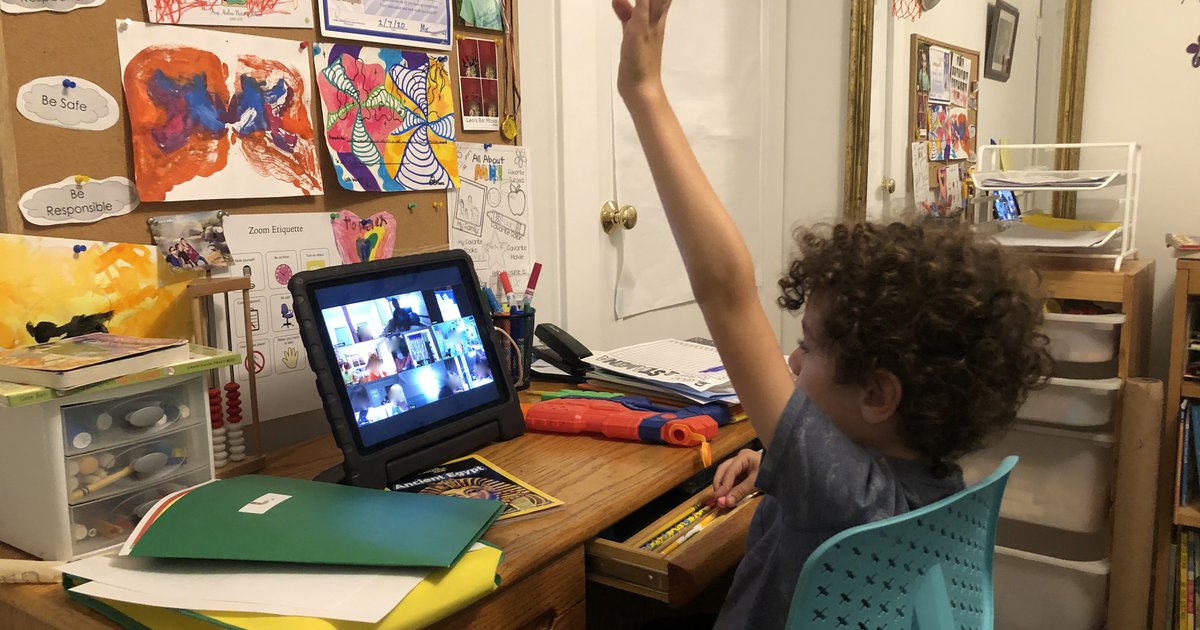
At Rixa Evershed鈥檚 school in Tacoma, Washington, the five-year-olds are acting like fours. There鈥檚 been more crying. The three-year-olds are doing more biting, hitting, and screaming.
鈥淲e鈥檙e seeing a real delay in the social and emotional abilities of children,鈥� said Evershed, the director of early childhood education at an independent school.
Early childhood educators at schools around the country say children are exhibiting more challenging behavior and more anxiety this school year. Children are quicker to cry, have trouble sharing, and need assistance problem-solving and waiting their turn, all of which causes disruptions in classrooms. In interviews, educators expressed concern these delays will impact children鈥檚 ability to successfully transition into kindergarten and first grade and that more interventions are needed.
Educators attribute these delays to missed opportunities for development and to trauma from the pandemic itself.
鈥淎ll of a sudden, kids were told they couldn鈥檛 see their grandparents,鈥� Evershed said. 鈥淭here was this waterfall of different psychological impacts.鈥� Being told that it was their job to keep their grandparents safe, that they have to wear a mask, that they couldn't go to the park because that might make them sick鈥攖hat was all scary for young children.
Evershed said she is seeing children who are quick to dysregulate, have an inability to focus, and have an exaggerated reaction to small moments of discomfort or conflict. Teachers are also reporting more 鈥榤onster play鈥� on the school yard as children work through their fears through imaginative play.
In some communities, children missed out on key opportunities to develop social skills like attending pre-K or 鈥淢ommy and Me鈥� classes as schools closed and parents kept children home. Other children are learning to share after having been in small cohorted settings with individual materials for much of last year.
Still other children have experienced more severe loss 鈥� that of a parent or loved one or months spent living with food or housing insecurity. Omaha Public School Superintendent Cheryl Logan are seeing children who need to process adult content they may have seen on the internet after months at home or behaviors of adults around them who were under incredible stress. Educators in Omaha, Logan said, are making more calls to child protective services and pediatricians this year than in the past.
鈥淲e are seeing three, four, and five-year-olds who are malnourished 鈥� because of the community and conditions in the household,鈥� she said.
All of these behaviors and needs will make it more challenging for children to be successful as they transition to elementary school. Transitions can be a time fraught with stress and uncertainty, even during normal times. During the pandemic, experts say it鈥檚 even more important to find ways to make this a smooth process for children.
鈥淜indergarten can be much more academic,鈥� said Jenn Pierson who teaches pre-K special education for District of Columbia Public Schools. 鈥淭here鈥檚 a lot less center time and play time built into the day.鈥� Children in her school, Pierson said, have missed out on opportunities to play with peers, to have games and songs that help them develop skills in collaboration and problem solving, and to learn how to be successful in a group setting. Some children will need a lot more hours of individualized attention or extra support services in kindergarten or first grade in order to catch up.
The challenge this year and going forward is finding the staff to do this work and making sure they have the tools and training they need.
For much of this year, Pierson has been pulled from her regular duties to fill in for empty aide positions, making it more difficult for her to complete evaluations and plan for her students鈥� IEP goals. Her school has almost no available substitutes and teachers are being pushed to their limits.
This winter, classrooms across the country have lost support teachers just when they need them most鈥攁s schools reassign intervention specialists, administrators, and enrichment teachers to substitute for classroom teachers who are out.
Educators say schools are going to need much more support in the coming years to help students heal and catch up. Some districts are for children or training programs for teachers.
In Omaha, Superintendent Cheryl Logan said she added five teacher work days to the calendar to give educators time to breathe. The district is developing partnerships with local public health and mental health providers because they understand that schools cannot do this alone.
鈥淭his is like digging out after a volcano has erupted and everything is covered with stuff,鈥� Logan said. The impacts are what she called 鈥渋nsidious and deep.鈥�
In Tacoma, Evershed said she is working with teachers to understand and recognize children鈥檚 body language when they are upset and to give language to children to help them understand their own feelings. 鈥淚 can see that your shoulders are really high near your ears. Can you unclench your jaw?鈥� She鈥檚 also giving teachers permission to really slow down their academic curriculum and to focus more on the social and emotional health of students.
In Oakland Unified in California, work district leaders had been doing since before the pandemic to train educators in trauma-informed teachers鈥� practice has become even more valuable.
Working in partnership with the City of Oakland Head Start and other community-based providers, the school district provides ongoing training for teachers on topics like the emotional development of children who experience trauma, how to create a healing environment and how to support families, as well as follow-up coaching support.
Oakland Superintendent Kyla Johnson-Trammell . 鈥淚 don't think it's like, okay next year, things are going to go back to normal鈥�,鈥� she said. 鈥淣o. We need to think even more flexibly around how we're staffing classrooms because we're going to need to continue to have these extra supports for the lingering effects.鈥�
Enjoy what you read? Subscribe to our newsletter to receive updates on what鈥檚 new in Education Policy!
Principal at SJackson LLC


