
Julia Sproul
Intern, Early & Elementary Education Policy
Mississippi is one state using telehealth to meet the needs of its students
It鈥檚 been two full years since students packed up their backpacks and returned home for what many thought would be a two-week hiatus from in-person schooling. Now, with becoming more lenient and Omicron cases decreasing, many are wondering if this could be our long-awaited return to normalcy.
But COVID-19 is not the only crisis that American children are facing. This past December, Surgeon General Dr. Vivek H. Murthy acknowledged a , only months after the American Academy of Pediatrics, the American Academy of Child and Adolescent Psychiatry, and the Children鈥檚 Hospital Association jointly declared a in youth mental health. Although there was an initial focus on how students would suffer academically from periods of remote learning, growing concerns about among children have sparked national conversations about their social and emotional health. President Biden spoke about the urgency needed to confront this emergency during the State of the Union address, noting that this is not a crisis that children and families can solve alone.
Prolonged periods of isolation and virtual learning have made it more difficult to identify warning signs in students to ensure that they are getting the mental health support they need. However, the grim reality is that even when students are referred for emotional and behavioral support services, many schools, especially in underserved communities, lack the infrastructure and staffing to provide adequate assistance. For example, some districts have a single counselor across multiple schools or lack access to a counselor at all.
This reality is especially dire for the 13 million young children living in rural, medically underserved communities. These areas, often referred to as 鈥渉ealth care deserts,鈥� face to mental health services due to issues of accessibility, availability, and acceptability. The high costs of services, lack of transportation, lack of service providers, and increased stigma around mental health place immense pressures on students living in remote areas. Mental health professionals, including psychologists, psychiatrists, and social workers overwhelmingly live in urban areas. This leads to a to providers and limited availability of mental health care in rural areas. In many rural areas, the first mental health crisis is actually a law enforcement officer.
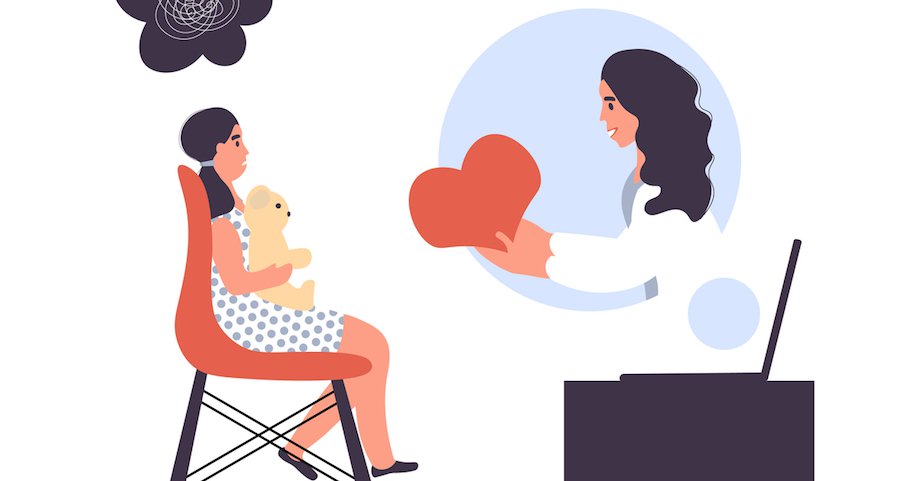
During the , Biden spoke about the need to expand community health services to underserved communities, including . Rural areas have seen during the pandemic, which has opened a window of opportunity for students living in rural communities to utilize telehealth services. is the use of digital information and communication technologies, such as computers and mobile devices, to access health care services. These services make health care accessible to people, including students, who live in rural or isolated communities with limited mobility, time, or access to transportation. The use of real-time video conferencing through telehealth is also , with patients and caretakers spending less unpaid time off traveling to in-person medical appointments that are often hours away in urban areas.
Mississippi is one state using telehealth to meet the needs of its students. A largely , it faces a multitude of challenges to provide adequate health care resources to students across the state. All or part of all 82 counties in Mississippi are , with over 30,000 people per in the Mississippi Delta, the state鈥檚 most rural area. In February, Mississippi legislators to approve a $17.6 million dollar grant to the University of Mississippi Medical Center (UMMC) to create a telehealth delivery system within K-12 schools to improve access to remote health care for students. This telehealth delivery system will allow students to receive urgent care services, dental services, and behavioral health services remotely within their local schools. Clinicians in the urban epicenters of the state will be able to via telehealth to children living in health care deserts.
The lack of mental health care and health care providers for Mississippi children has been a pressing issue for decades. The pandemic has only exacerbated pre-existing issues, with rates of emergency room visits by minors for mental health crises by nearly 40 percent since 2019. UMMC plans to begin project this month, with a small number of schools receiving clinician support as early as July. Policymakers hope that the program will be available throughout the state for all schools that have a school nurse by July of 2023. Although these are promising actions to provide the critical supports that students need, many of the most underserved schools in the Delta do not have a nurse, raising questions about how telehealth can be implemented to serve children with the highest need in all parts of the state.
The current mental health crisis requires a swift and coordinated response to meet the unique challenges presented within rural spaces throughout the nation. Experts have called on a of state, local and national funds to 鈥溾�mprove access and quality of care across the continuum of mental health promotion, prevention, and treatment.鈥� Mississippi used federal funds from the American Rescue Plan and the CARES Act to push the proposed telehealth program to scale with urgency.
Rural communities have both unique challenges and unique needs. Providing increased access to and financial investment in mental health services through telehealth will give students the proper support they need to be successful not only academically, but socially and emotionally as well. Other states across the nation could use similar strategies to provide telehealth services to rural and medically underserved areas. The collaborative effort in Mississippi showcases the need for governmental sectors to work together to best meet the needs of students who are suffering from the lingering mental, emotional, and social impacts of the pandemic.
Enjoy what you read? Subscribe to our newsletter to receive updates on what鈥檚 new in Education Policy!
Intern, Early & Elementary Education Policy


