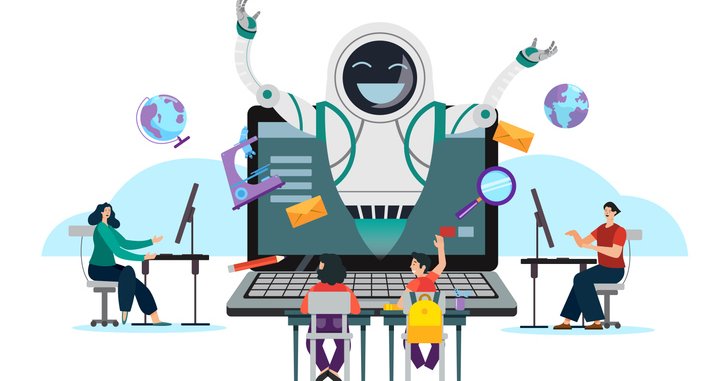
The Netflix for Young Readers
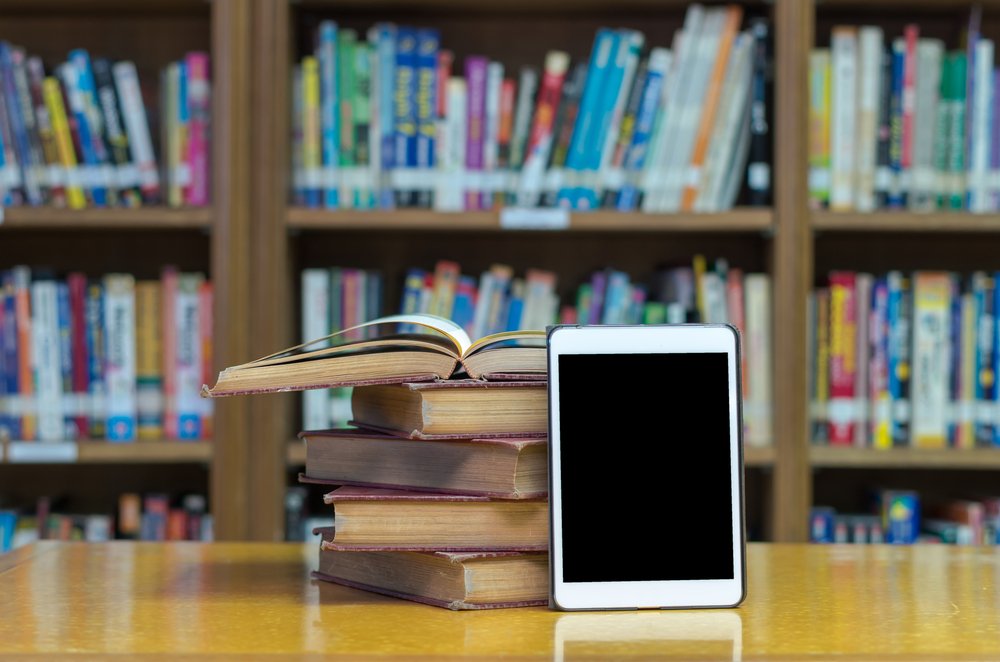
鈥淭his looks just like Netflix,鈥� my 9-year-old niece, Cameran, said as she scrolled through a new app on my iPhone. 鈥淎re these all books?鈥�
In late February, the initiative鈥攍ed by the Digital Public Library of America, the New York Public Library, and the nonprofit organization First Book, with support from the digital books distributor Baker & Taylor鈥� of a new app (currently available only on Android and iOS devices) designed to provide high-quality e-books to children from low-income families. 鈥淔or so many of us,鈥� first lady Michelle Obama said in a announcing the app鈥檚 release, 鈥渂ooks opened our minds to a world of possibility. Unfortunately, right now, millions of children in America don鈥檛 have that chance because they don鈥檛 have adequate access to the books they need to learn and dream.鈥�
Typically, schools serving low-income students have a limited selection of texts available for independent reading. They may have classroom sets of select novels, or a few copies of a novel intended for small group literacy instruction, but fully stocked classroom or school libraries. What鈥檚 more, the collections they do have often fail to provide age-appropriate content at a diverse range of reading levels or to appeal to a wide array of interests. In short, it is incredibly difficult for teachers to share enough books to instill a love of reading in their students.
But this could be changing. Since President Obama announced the in 2013, schools and classrooms increasingly have Internet access, allowing students to take advantage of the wealth of resources available online. And with the Open eBooks app, low-income students are able to tap, click, and read a whole new world of texts that were previously out of reach.
Looking through the app (a limited number of access codes were made available to press), my niece excitedly pointed out a number of her favorites: .听. . The app contains hundreds of popular book series written for the elementary grades, from and , to and the . The app contains thousands of new and award-winning novels, as well as biographies and other nonfiction texts, covering a wide range of interests for elementary, middle school, and high school readers. Within each grade span are genre-based 鈥渟helves鈥�: fantasy, action and adventure, mysteries, and more.
This selection has been made possible by an impressive array of major publishers: Bloomsbury, Candlewick, Cricket Media, Hachette, HarperCollins, Lee & Low, Macmillan, National Geographic Kids, Penguin, Random House, and Simon & Schuster have all contributed many of their popular titles to the collection. Each has agreed to provide their books through the Open eBooks app for an initial commitment of three years. (To clarify, these resources are not 鈥渙pen鈥� insofar as they do not for what are known as open educational resources, or OER; publishers maintain exclusive rights to their titles, and users are not free to permanently download, store, or share the resources.) The Digital Public Library of America鈥攔esponsible for curating the app鈥檚 content鈥攈as indicated that it is currently working with smaller publishers, as well as seeking out public domain titles, to continue building out the collection.
When ConnectED launched nearly three years ago, it was focused on ensuring high-speed broadband access. This coincided with the Federal Communications Commission鈥檚 project to update its E-Rate program, which helps to subsidize the cost of connectivity for schools and libraries serving low-income populations. Today, thanks to E-Rate, more than have been connected to high-speed Internet service in their schools, and the FCC is to extend that connectivity into homes with reforms to the agency鈥檚 Lifeline program. With such an intense focus on infrastructure, the ConnectED initiative could at times feel as though it were from learning. But by establishing robust infrastructure as a foundation for digital learning, public-private partnerships like the Open eBooks initiative鈥攚hich leverage online platforms and materials鈥攁re now able to reach significantly more low-income students.
One such partner organization, , has worked since 1992 to provide schools and programs serving primarily children from low-income families with free or steeply discounted new books and resources. The organization distributes these materials through eligible teachers and program leaders working at what are often called Title I schools鈥攕chools that receive additional federal funding because they serve high percentages of kids from low-income families. First Book also distributes books to schools on U.S. military bases, libraries, Head Start centers, preschools, and other programs whose students are at least 70 percent low-income. Its current network consists of more than 225,000 registered educators.
Of course, moving from physical to digital delivery of books involves getting used to a new system. As Rob Fleisher, a middle school teacher in Washington, D.C., described in a on how to access the program, 鈥淚 have had the chance to download and utilize the app and it holds tremendous potential. However, it鈥檚 a little bit tricky to set up.鈥� First, teachers have to register with nonprofit First Book. Then they can use the First Book website to request individual access codes for each of their students鈥攁fter downloading the app on a device, students input that access code to start reading books on demand. It is much like entering your username and password to access Netflix.
And there is certainly demand. 鈥淭he uptake has exceeded our expectations,鈥� said Marilynn Jacobs, senior marketing advisor for First Book. She said, 鈥渨ithin the first two weeks of launch we鈥檝e had requests for 1.2 million codes,鈥� and that number has since climbed to 1.5 million.
Bringing a potential 1.5 million children to this platform鈥攁 number that continues to grow daily鈥攃omes with real responsibility. Introducing choice to students, especially those students who frequently are left with the fewest choices, is incredibly important.
At the same time, all students need a push now and then to try out more complex and challenging texts. While the app currently provides access to an impressive array of titles, the content curators need to seek out more challenging texts. For instance, To Kill a Mockingbird isn鈥檛 available, which , but nor are public domain works like , , or the 鈥攁ll likely to appear on an AP English reading list.听Access to advanced literature for high school as well as more complex texts for the middle and elementary grades is critical to ensuring children continue to grow as readers. Open eBooks should work to provide access to these kinds of advanced titles as well and curate materials in such a way that helps students identify them (perhaps creating a 鈥渟helf鈥� of exclusively award-winning texts), to help students challenge themselves with their independent reading selections.
For now, one of the biggest limitations for Open eBooks is that it鈥檚 only available for iOS and Android devices. The good news is that a Web-optimized version is being developed for release later this year. In the meantime, students with Internet access and a device at home can download the app and use the unique code provided by their teachers to tap into these resources to read independently at home.
Access to both high-speed broadband and devices are not yet universal, and addressing this inequality must remain a priority. But initiatives like Open eBooks can help to make sure that as students are connected鈥攂oth in schools and in their homes鈥攖hey are met with a world of resources online that enable them both to learn, and to dream.
This article is part of , a collaboration among , 麻豆果冻传媒, and 听迟丑补迟聽explores the ways emerging technologies affect society, policy, and culture.听
More 麻豆果冻传媒 the Author
Issues
Programs/Projects/Initiatives
Topics
Related

Navigating Financial Advice in the Social Media Age: From Individual Skills to Systemic Change

Prioritizing Students with Disabilities in AI Policy
Meeting the Moment: Why Digital Skills Matter During a Crisis