Supporting Immigrant Families Through Community Partnerships in Lincoln, Nebraska
How Lincoln, Nebraska is a model for supporting immigrant families
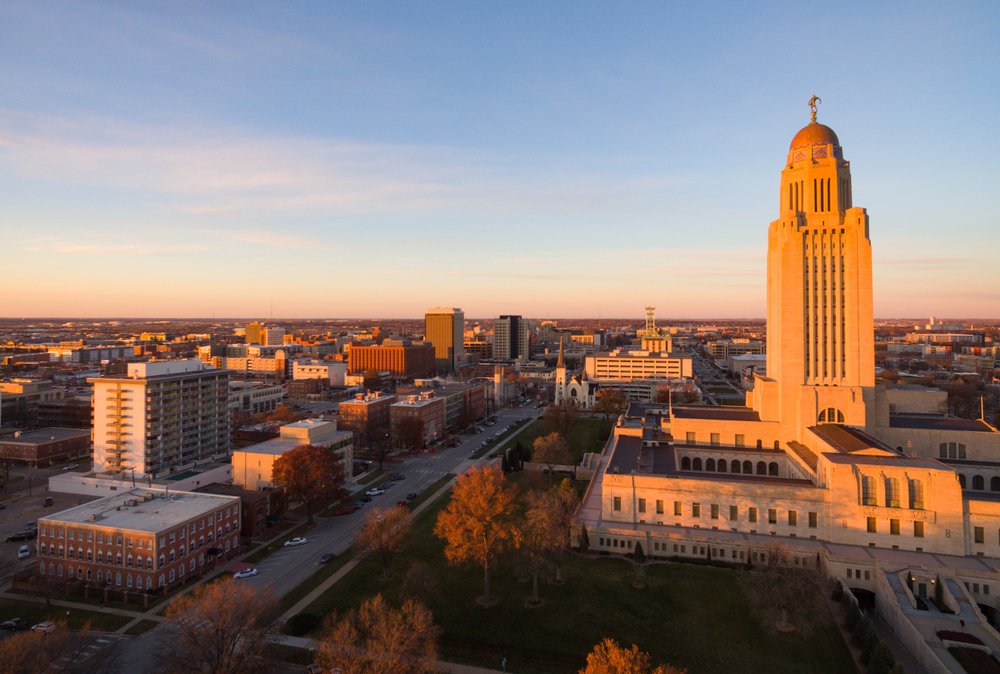
In recent years, the Midwestern state of Nebraska has seen its immigrant and refugee population rise steadily. Between 2010 and 2016, its foreign-born population grew by 15 percent. Many are arriving from Mexico and Central American countries like Guatemala and El Salvador.
Many of these newcomers have found their way to the capital city of Lincoln, the second largest city in Nebraska. Lincoln is often described as a friendly and safe city. In 2013, Welcoming America, a national grassroots immigration group, selected Lincoln as the for immigrants in the United States. As one community member said in an interview, 鈥淟incoln es seguro…no est谩 muy grande como otros lugares, otros estados, y me gusta aqu铆鈥� (Lincoln is safe…is not as big as other places, other states, and I like it here).
The city also has a job market particularly in the restaurant, construction, and agriculture sectors, which also makes the city an ideal site for refugee resettlement, with Karen refugees (from Thailand and Burma) making up the majority of new arrivals. 鈥淲e are more than just football…we have a small town feel with big town opportunities,鈥� said Amy Bornemeier, the Vice President for Early Childhood Programs at Nebraska Children and Families Foundation.
In Lincoln, multiple organizations work together to help link immigrant and refugee families with essential resources, learning opportunities, and targeted support to help them integrate into the community.
, a community-wide project that aims to strengthen the city, is one example of how community collaboration is working to increase opportunities for these families. The project launched in 2014 and is the product of a collaborative engagement process that included grassroots organizers, neighborhood representatives, K-12 and postsecondary education, anchor institutions (hospitals, universities), faith-based communities, non-profit organizations, philanthropies, businesses, and city, county, and state government. Together these stakeholders developed a shared community agenda focused on three initiatives:
- Early Childhood鈥撯�揟o nurture every child on the path to success.
- Employment Skills鈥撯�揟o provide opportunities for people to realize career aspirations.
- Innovation and Entrepreneurship鈥撯�揟o create a vibrant culture of innovation.
Each of these initiatives is led by program developers who collaborate with oversight committees and working groups formed by representatives from multiple sectors in the community.
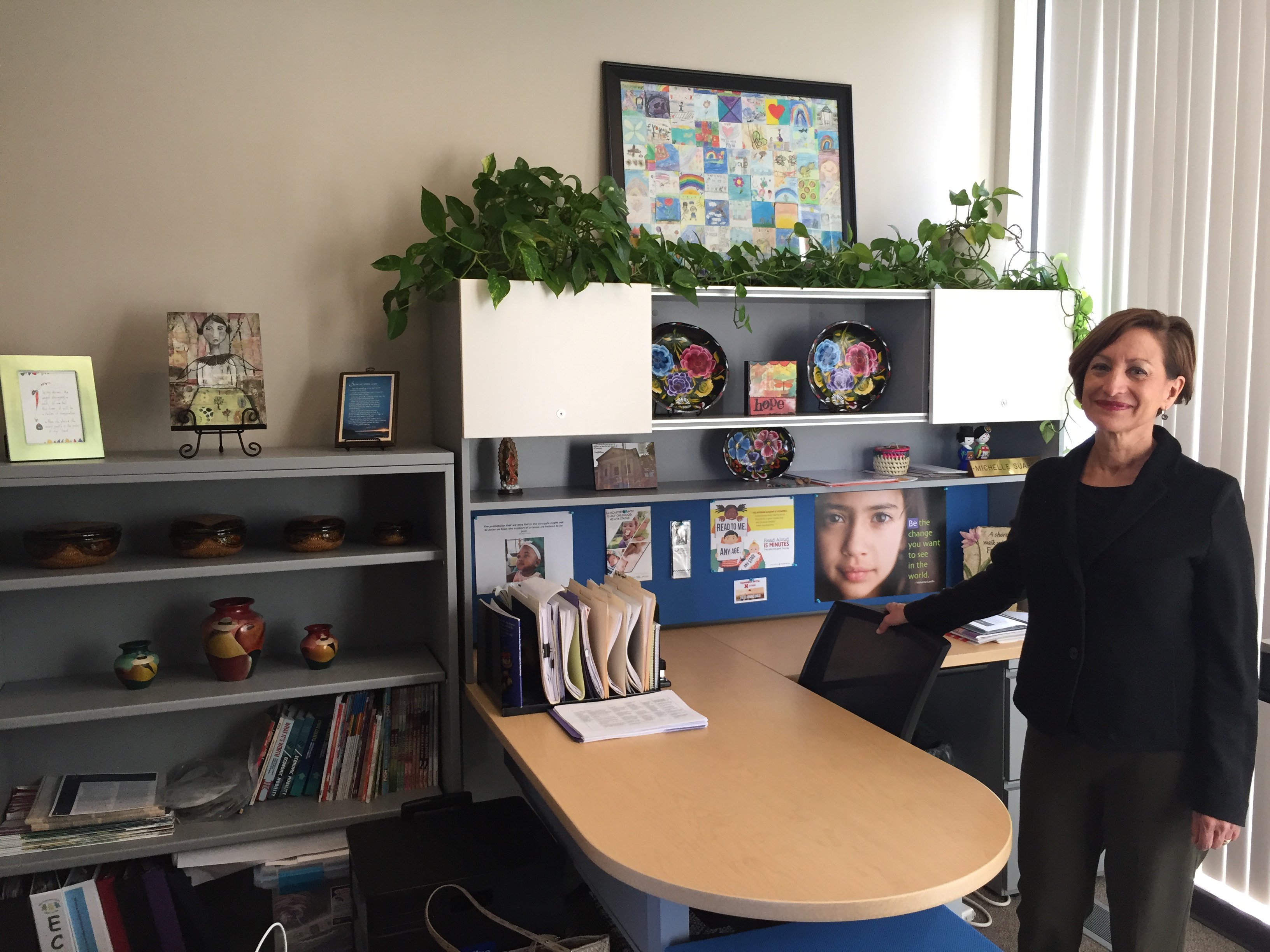
Michelle Suarez, program developer for the early childhood initiative at Prosper Lincoln, focuses on increasing access to high quality early childhood education. She also works directly with parents to help them support their children鈥檚 learning from an early age. More specifically, Suarez partners with Lincoln Public Schools (LPS) to offer programs for immigrant parents such as the Strengthening Families Program at Everett Elementary School. A majority of students at Everett are economically disadvantaged and over forty percent are English learners. Under Suarez鈥檚 leadership, the Strengthening Families Program provides opportunities for immigrant parents to come together once a week to collaborate on a variety of projects to learn about and develop literacy activities they can do at home.
In addition, she seeks parent feedback about which community organizations interest them and how these organizations can support them. For example, parents expressed an interest in taking Zumba classes as a way to promote healthy habits for themselves and their families. Due to their interest in these classes, Suarez connected parents with community organizations that offer free fitness classes, such as the Lincoln Parks & Recreation Department that collaborates with the Community Health Endowment to provide these classes for the community. 鈥淲e want to connect the parents with the community and connect the community with the parents,鈥� said Suarez.
Many other community organizations also provide immigrant families with work development and opportunities to build their English language and literacy skills. For instance, Lincoln Literacy, an organization that provides language and literacy services, offers immigrants and refugees with nursing backgrounds a seven-week class to help them with difficult vocabulary and content in English before they take the certified nursing assistant. Moreover, the Midlands Latino Community Development Corporation () provides training to immigrants and refugees to help them start their own businesses. For example, they cover start-up costs and provide training on the rules and regulations governing early childhood education for refugees interested in starting their own preschools and child care centers.
Lincoln provides an example of how community partnerships can create and implement inclusive approaches to serving immigrant families. As another community member shared, 鈥淟a experiencia que hemos tenido en Lincoln es que nos han brindado muchas oportunidades que no hemos tenido antes.鈥� (The experience that we have had in Lincoln is that they have provided many opportunities that we have never had before). Immigrant destinations benefit from partnerships that bring multiple sectors together to link families with essential resources and learning opportunities while helping them feel welcomed.
Enjoy what you read? Subscribe to our newsletter to receive updates on what鈥檚 new in Education Policy!
More 麻豆果冻传媒 the Author
Issues
Programs/Projects/Initiatives
Topics
Related

Children Belong in School Learning, Not Left to Languish in ICE Detention

Interview with Emilio Saenz: Helping Families Find Bilingual Support in Arizona Schools

English Learners Need More Federal Support to Succeed, Not Less