
Nicole Hsu
Policy Analyst, Early & Elementary Education
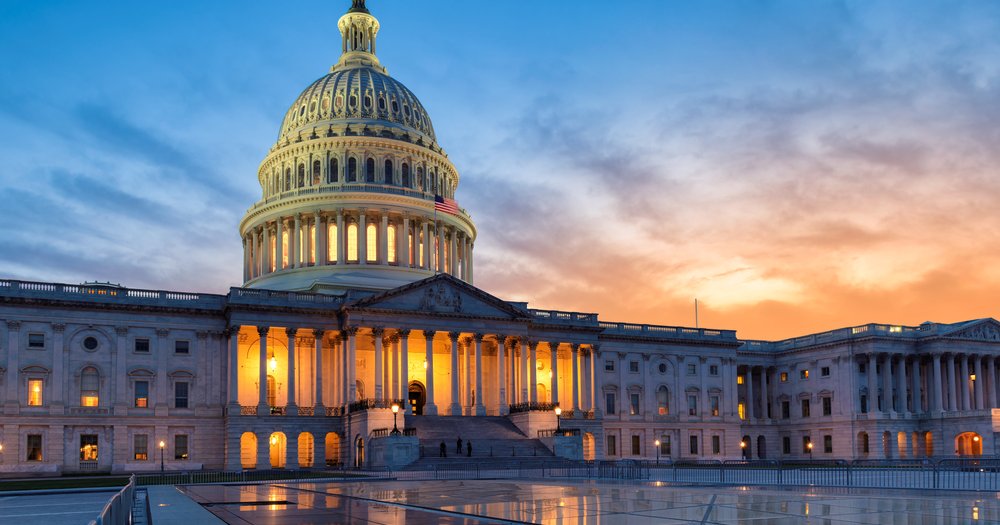

The last week has been a particularly memorable one for federal child care funding.
First there was the On September 30, over in federal child care funding that was awarded during the COVID-19 pandemic expired. This was the largest federal investment in child care in history. These investments didn鈥檛 just help sustain the child care sector over the past two years, they also helped to address an industry riddled with desperate for government intervention far before the pandemic. But, as the immediate effects of the pandemic receded during the transition to a so has the urgency around prioritizing the needs of our youngest children and their families. More than are projected to close as a result of the funding cliff, impacting almost 3.2 million children and their families across the country.
The child care programs that are able to sustain their business and remain open may have to . As families to find child care arrangements that are accessible and affordable, parents may leave the workforce or reduce their hours, which will particularly impact . One projected a loss of $10.6 billion in tax revenue and productivity each year due to child care disruptions when federal child care funding expires. We saw these things play out during the pandemic, and without successfully passing any that addresses this cliff, we鈥檙e about to see it happen again.
Then came the deadline for appropriations, which also fell on the same day, September 30, when the federal child care relief dollars were set to expire. The annual appropriations process determines funding levels for discretionary programs, which includes federal early childhood programs. In July, we wrote about the ongoing battle to determine funding levels and the vast differences between the House and Senate proposals. The House eliminates the Preschool Development Grant (PDG) program and the Child Care Access Means Parents in Schools program, maintains current funding levels for the Child Care and Development Block Grant, and proposes cuts to Head Start; the Senate increased funding to all of these programs except for PDG.
Up until the deadline, hard-right House Republicans continued to push for while the Senate arrived at a to keep the government running through November 17. Finally, just hours before a shutdown, Speaker Kevin McCarthy dropped his demands for steep spending cuts and relied on House Democrats and centrist Republicans to help pass a bill that keeps the government funded . While a shutdown has been avoided for now, the next step for Congress is uncertain, with hard-right House Republicans, such as Rep. Matt Gaetz, to oust McCarthy from the speakership and no clear plan for keeping the government open past mid-November.
If we have learned anything from the past few years, it is that the early care and education system is essential to our nation鈥檚 infrastructure and essential for all families across party lines. Missed opportunities to continue building on recent federal investments in our nation鈥檚 youngest children and their families will only prolong the effects of the child care crisis, particularly for communities that have been failed by policies long before the pandemic began.
Moreover, maintaining current funding levels when the status quo is inadequate should be seen as a temporary fix and not a long-term solution. (56 percent) of parents say it should be a top priority for Congress to secure funding for child care in the upcoming year. When will our Congressional leaders set aside their party politics and start supporting young children and families as a bipartisan issue?
Policy Analyst, Early & Elementary Education
Senior Policy Analyst, Early & Elementary Education


