Sarah Jackson
Principal at SJackson LLC
After policy change, new models like SEAL are training California teachers to support the state鈥檚 large population of young dual language students.
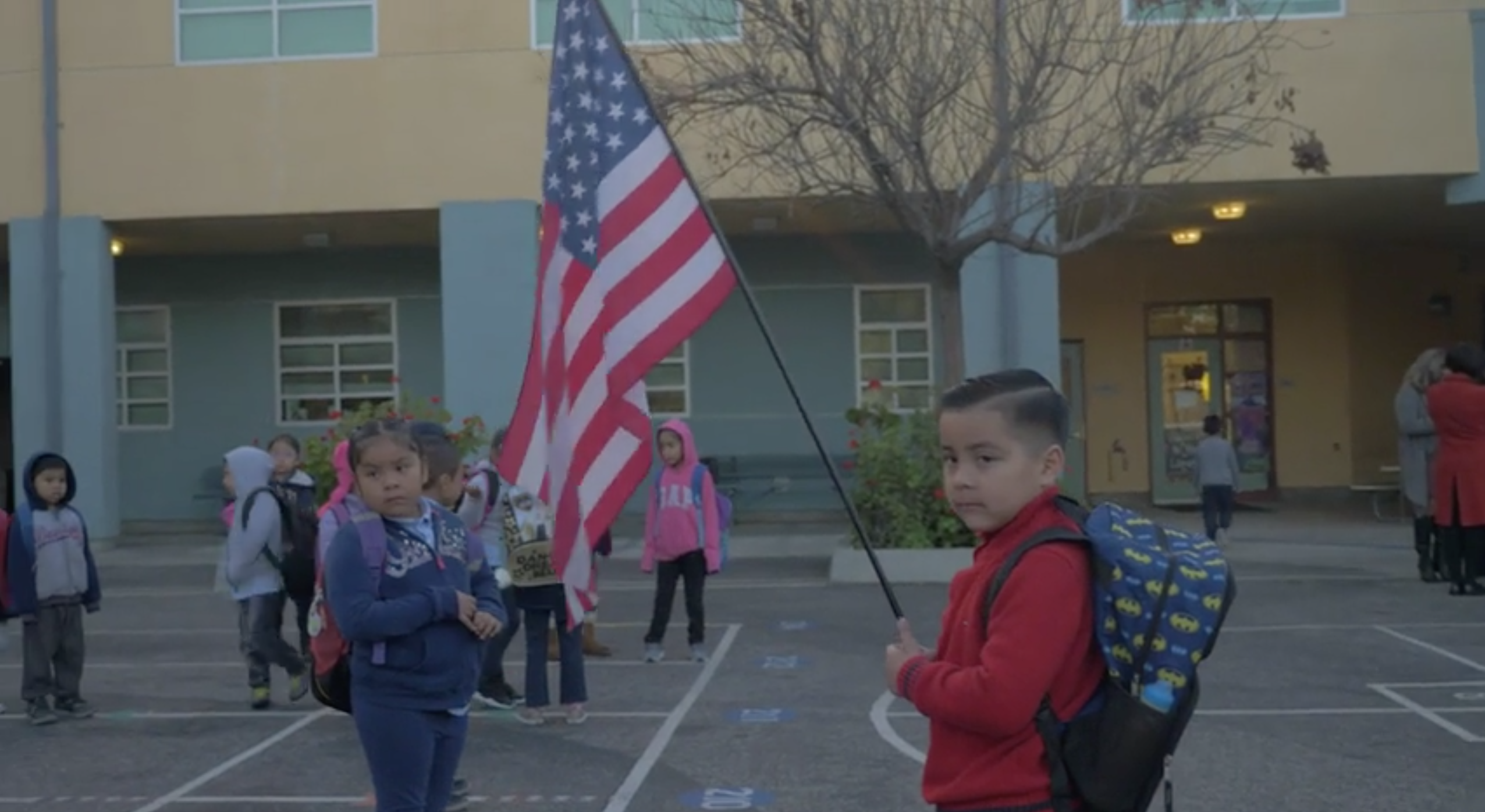
Kindergarteners at Maple Primary Center in Los Angeles learn half the day in English and half the day in Spanish. Many of these students are dual language learners and like 60% of children under 5 in California, they speak a language other than English at home.
Their teacher, Martiza Bringas, is participating for the first time this year in a unique partnership designed to strengthen instruction for this group of students through bilingual education models that centralize and prioritize the needs of dual language learners.
In 2016 California had a with the passage of , which repealed the state's 20-year-old English-only education law and recognized the value of bilingualism. The law opened the door for the development of bilingual programs鈥斺�攖hat many educators in the state had been advocating for for years.
鈥淲e had previously been under the misconception in schools that kids need to learn English first, before they can learn content,鈥� said Heather Skibbins, a lead trainer for the model (SEAL), that Bringas is participating in. 鈥淲hat we know now is that we can鈥檛 wait.鈥�
Instead of teaching language development in isolation, SEAL鈥檚 mission is to integrate language development into hands-on science and social studies curriculum. Along with her colleagues, Bringas is taking part in workshop sessions, coaching, demonstration lessons, collaborative reflections and time for planning鈥攁ll designed to strengthen early literacy instruction for bilingual children starting in preschool.
鈥淚 like this model because it鈥檚 very student engaged,鈥� Bringas said. 鈥淐hildren who are 5, 6 years old, they learn through play.鈥�
Bringas鈥� students are studying the weather, and she says she watches them using their new vocabulary鈥攚ords like 鈥渕eteorologist鈥� and 鈥渇orecasting鈥� during their imaginary play. that language development is most successful when children have many opportunities to use language in context throughout their day.
The SEAL model has been successful because of its intense professional development that supports teachers over time鈥攁n emphasis on involving families and curriculum designed to build children鈥檚 oral language skills.
Educators at Maple Primary say it is working. 鈥淲ith this model, we鈥檝e seen our kids just blossom,鈥� says Principal Sharyn Clark, 鈥渋n vocabulary development, their writing has improved and we have been able to reclassify students earlier than in times past.鈥�
Loyola Marymount University鈥檚 School of Education received a to support this work with Los Angeles Unified School District (LAUSD) and the Sobrato Family Foundation. The funding is supporting professional development for teachers at schools with large populations of English learners in TK through 3rd grade. The goal is to increase the use of evidence-based strategies in the early grades as well as to improve outcomes for English learners and other students.
In addition to the passage of proposition 58, California also has a new , a policy released in 2017 designed to enhance the state's standards for English-language development, and , an initiative aimed at helping more students become proficient in more than one language. Bilingual programs are expanding; LAUSD will have 44 schools with dual language programs next school year. And the state has also allocated 5 million dollars to to work with this population of students鈥攖hrough SEAL and other innovative models.
鈥淲e have clear direction on bilingualism and the value of multilingualism that really sets the direction for our state,鈥� said SEAL鈥檚 executive Director Anya Hurwitz. 鈥淚t鈥檚 a totally new day in California.鈥�
Enjoy what you read? Subscribe to our newsletter to receive updates on what鈥檚 new in Education Policy!
Principal at SJackson LLC