Zahava Stadler
Director, Education Funding Equity Initiative
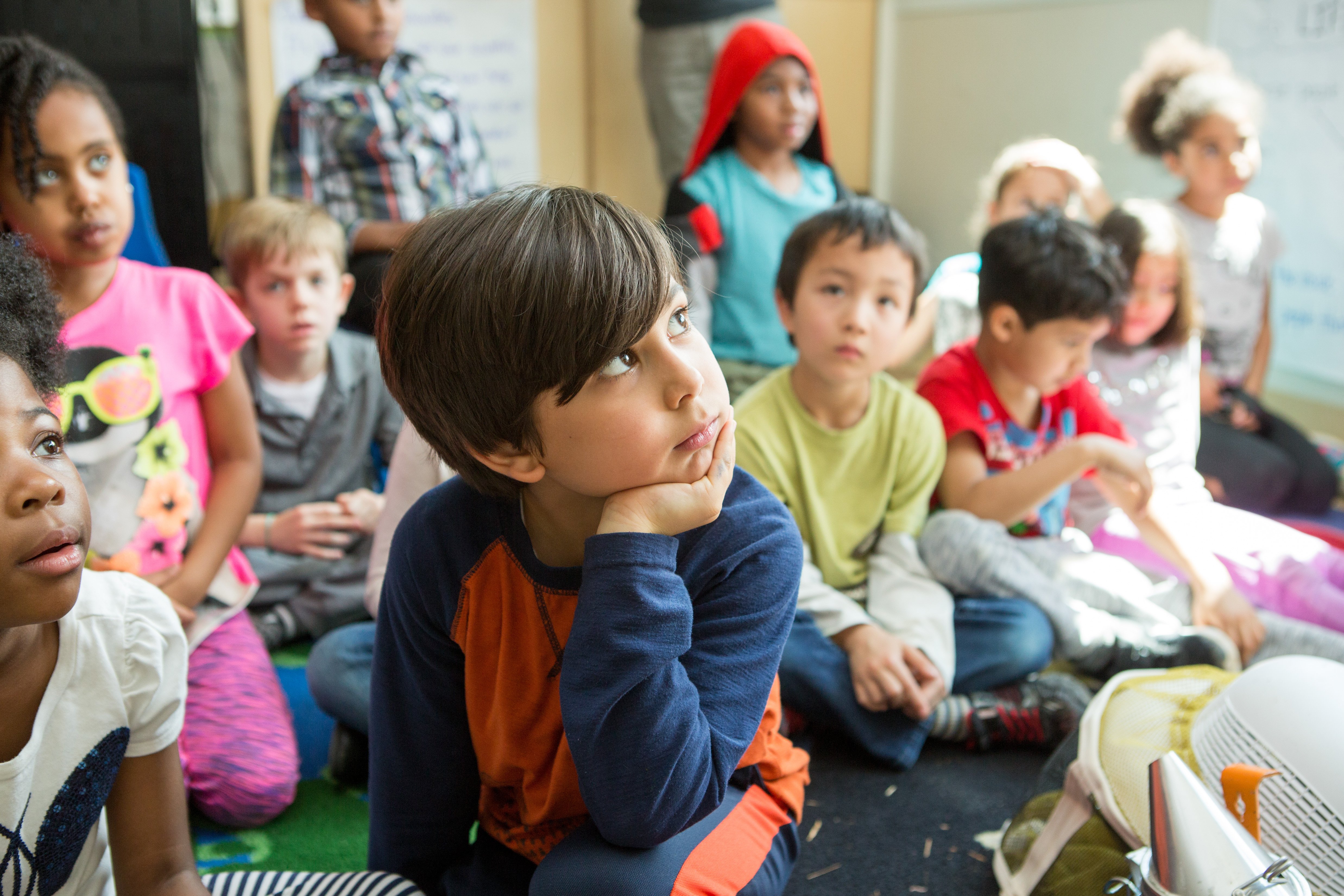
On February 7, a Pennsylvania appeals court issued a powerful ruling in support of students鈥� fundamental constitutional right to a 鈥渃omprehensive, effective, and contemporary鈥� public education. Critically, this decision calls out the large funding disparities created by the state鈥檚 heavy reliance on local property taxes to fund public education, and rejects the state鈥檚 argument that those gaps are an inevitable and acceptable side effect of a locally controlled education system. In fact, the court finds that Pennsylvania鈥檚 funding approach is depriving kids of educational opportunity鈥攚hile also preventing communities from making meaningful local choices for their students and schools.
The lawsuit, known as William Penn School District et al. v. Pennsylvania Department of Education et al., was first filed in Pennsylvania Commonwealth Court in 2014. Plaintiffs included six school districts, the state conference of the NAACP, the Pennsylvania Association of Rural and Small Schools, and four public school parents. They sued both legislative leaders and the executive-branch agencies that govern public education. All parties acknowledge that Pennsylvania鈥檚 approach to funding public education provides far more money to some school districts than others. The plaintiffs argued that this system runs afoul of two guarantees in the state Constitution: that the legislature will provide for a 鈥渢horough and efficient system of public education,鈥� and that all (including all students) must receive equal protection under the law.
First, the suit had to clear a major hurdle. Prior case law in Pennsylvania had treated public education as a matter for the legislature only, outside the purview of the courts. The state Supreme Court that this approach no longer made sense. Constitutional rights were at stake, and the legislature could not be left to police itself. Accordingly, the justices sent the case to be tried on its merits. Commonwealth Court President Judge Ren茅e Cohn Jubelirer presided over a four-month trial that concluded last March. Nearly a year later, Judge Jubelirer has issued a that is both painstaking in its detail and inspiring in its moral clarity.
Much of the case focused on whether schools are underfunded. The plaintiffs offered vivid and troubling evidence about issues with facilities, staffing, and educational offerings in their districts: therapists providing special education services in closets; educators having to teach two classes simultaneously; outdated textbooks and poor technology infrastructure; difficulties offering art, music, advanced courses, and extracurricular opportunities. The results for student achievement are predictable and tragic, and low-income students and students of color experience the worst effects.
Enjoy what you read? Subscribe to our newsletter to receive updates on what鈥檚 new in Education Policy!

As a defense against charges of underfunding, the state鈥檚 witnesses offered evidence that Pennsylvania is actually a fairly high-spending state by national standards. The state鈥檚 precise ranking varies depending on the data source cited, but it is clear that Pennsylvania is in the top third of states for overall per-pupil spending levels. Lawyers for the state legislature also argued that the funding levels in the plaintiff districts were just fine, and that students had access to all that legislative leaders believe to be mandated by the Constitution: a solid curriculum in core subject areas, a sufficient number of well-trained and experienced teachers, facilities that are 鈥済enerally safe and appropriate,鈥� and 鈥渂asic鈥� instrumentalities of learning,鈥� including desks and chairs, writing tools, and instructional materials.
If these requirements seem bare-bones, that鈥檚 no accident. Patrick Northen, attorney for House Speaker Bryan Cutler, argued, 鈥淭he fact that some students are better equipped to take advantage of opportunities offered or perhaps are more industrious doesn鈥檛 negate the fact that opportunities exist,鈥� shifting the onus from lawmakers to students鈥攐r to 鈥渟ome students.鈥� John Krill, representing Senate President Pro Tempore Jake Corman, asked one witness, 鈥淲hat use would someone on the McDonald鈥檚 career track have for Algebra I?… Lest we forget, the commonwealth has many needs. There鈥檚 a need for retail workers, for people who know how to flip a pizza crust.鈥�
If you don鈥檛 share that vision for what constitutes a sufficient education, then it鈥檚 important to consider how Pennsylvania鈥檚 education spending levels鈥攚hich truly are competitive with those in other states鈥攁re still falling short of students鈥� needs. There are two main problems. First, high levels of average spending don鈥檛 mean enough money everywhere. For example, Lower Merion School District, a suburban district outside Philadelphia, has more than twice as much money per student as the much higher-need city district of Altoona.
Second, the state鈥檚 high education spending is largely powered not by state effort, but by local communities going it alone. Pennsylvania relies to an unusual degree on local dollars to fund education. The data shows that the 55% of the state鈥檚 school funding comes from local sources. (The national average is ten points lower.) The vast majority of Pennsylvania鈥檚 local funding, and 44 cents of every school dollar overall, comes from local property taxes. That鈥檚 a recipe for unfairness. School districts with high property values can raise ample property tax dollars with little effort, while districts in low-wealth neighborhoods鈥攚hich often serve students who need more supports in order to realize their academic potential鈥攈ave a much harder time raising local revenue for schools. That鈥檚 why, for instance, plaintiff district Greater Johnstown raised less than $3,000 per student from property taxes in 2020, while its much better-off neighbor Ligonier Valley raised more than $10,000.
Many of Pennsylvania鈥檚 low-wealth districts overtax low-income residents in order to fund their schools, only to find that their budgets still lag behind those of wealthier school systems.
That unequal access to local dollars is discussed in the decision. An added dimension is that Pennsylvania鈥檚 school funding policy places low-wealth districts at specific risk. Not only is the state especially reliant on local property taxes, but it places almost no guardrails on local dollars, making local funds an essentially lawless part of the state鈥檚 school funding system. place a ceiling on local taxes for education to keep budgets in wealthy districts from far outstripping those in lower-wealth districts, and 25 states require minimum local contributions to ensure that school boards don鈥檛 underfund their schools. Pennsylvania has neither. The result is an ungoverned system in which many of Pennsylvania鈥檚 low-wealth districts overtax low-income residents in order to fund their schools, only to find that their budgets still lag behind those of wealthier school systems.
These inequalities create unfair conditions for students, and they undermine the state鈥檚 own case for its education funding system. The state argues that local control of education is an important priority, one that justifies funding schools so heavily out of local dollars, even if it means large resource gaps. But if local control is a good, then we should care that it is out of reach for poorer districts. As Judge Jubelirer writes,
The Court does not question the importance of local control; rather, it questions whether there can be meaningful local control when low-wealth districts are constantly faced with making tough decisions regarding which programs or resources to cut or which students, all in need of additional resources, receive access to the precious few resources these districts can afford to provide.
Today, the state鈥檚 version of 鈥渓ocal control鈥� amounts to passing the buck: Let local districts fund their schools, and then they can do what they want with the money. But without resources, local decision-makers can only choose between bad and worse. Judge Jubelirer calls on the state to make good on the idea of local control by providing equitable funding to districts, saying, 鈥渓ocal control could be promoted by providing low-wealth districts with real choice, instead of choices dictated by their lack of needed funds.鈥�
鈥淟ocal control could be promoted by providing low-wealth districts with real choice, instead of choices dictated by their lack of needed funds.鈥� – Judge Ren茅e Cohn Jubelirer
Pennsylvania鈥檚 funding inequities are neither inevitable nor necessary. Many other states do more. Both to shoulder the financial burden with much greater state funding, as neighboring New Jersey does, and to strongly limit the inequity that comes into the funding system from the local level, as do places as disparate as Vermont, Texas, and Washington. It鈥檚 no coincidence that all of these states made pro-equity changes after court rulings. Pennsylvania should follow their example. The ruling can still be appealed, but Judge Jubelirer鈥檚 decision makes perfectly clear why the state should not prevail. Instead of spending public funds on court battles, it鈥檚 time to direct those resources where they鈥檒l do the most good: funding schools through a system that can fully and fairly meet students鈥� needs.
Enjoy what you read? Subscribe to our newsletter to receive updates on what鈥檚 new in Education Policy!
Director, Education Funding Equity Initiative