Putting Learning on the Map: Visualizing Opportunity in 21st Century Communities
In January 1996, that one of the most important and pressing challenges of the time was 鈥渢o provide Americans with the educational opportunities we’ll all need for this new century,鈥� in his fourth State of the Union address. Those opportunities went beyond school walls. They began in the home with parents, continued through primary and secondary schools and into the halls of higher education, and extended to libraries, museums, health centers, community centers, and other vital public institutions within communities. With the dawn of the 鈥渋nformation superhighway,鈥� Americans would have unprecedented means to connect these institutions, bridging physical environments and extending opportunities for learning both online and off.
Almost 20 years later, though, this vision remains far from reality.
Concentrated poverty has 鈥渕ade it difficult to provide consistently high-quality learning experiences in schools serving a large proportion of low-income students.鈥�
Prominent voices across the spectrum of government, academic, and non-profit sectors have raised concerns about the connection between increasing income inequality and decreasing opportunity for low-income families, especially in terms of educational opportunity. Federal Reserve Chair Janet Yellen, at a recent , spoke of the ability of the affluent to afford 鈥渉omes in safer neighborhoods with good schools, . . . better nutrition and health care, early childhood education, intervention for learning disabilities, travel and other potentially enriching experiences,鈥� while children from low-income backgrounds are left without these opportunities. Research recently published by Greg Duncan and Richard Murnane鈥攂oth preeminent authors, economists, and professors of education鈥� 鈥渞ising residential segregation by income has led to increasing concentrations of low- and high-income children attending separate schools.鈥� Concentrated poverty has 鈥渕ade it difficult to provide consistently high-quality learning experiences in schools serving a large proportion of low-income students.鈥�
The past two decades have also brought evidence that inequality in educational opportunity starts young and has lasting impact. Low-income households have and pre-K than their more affluent peers. Parents are less likely to have finished high school or pursued higher education, and often do not know how to help their children build school readiness skills. Striking vocabulary gaps have been found between children from high- and low-income families, with affluent children exposed to 30 million more words by age three.
In elementary and secondary schools, while on the National Assessment of Educational Performance (NAEP) scores have been improving on average, gaps in achievement between the rich and poor have widened. Though graduation rates nationally have climbed to 80 percent, those without degrees are . Low-income high school graduates are than their middle-class and wealthy peers, and students from low-income backgrounds are the least likely to complete their degrees: that while 90 percent of students from affluent families go on to finish their studies, only about one in four low-income students will earn a degree by age 24.
For affluent neighborhoods, community institutions鈥攊ncluding informal learning environments such as museums, parks, and community centers鈥攑rovide resources to parents of young children, host programming during the school year and throughout the summer for young adults, offer courses for non-traditional and adult learners, and more. In low-income communities, these same institutions are with fewer resources constrained by less and less public investment.
As for the 21st century challenge of connecting communities to online information and resources, low-income neighborhoods remain the least likely to have access. This digital divide persists along the same lines as the existing socioeconomic divide. New technologies have connected and extended the considerable network of learning opportunities available to wealthy and middle-income families. But for under-resourced communities, not only are physical resources鈥攅arly learning centers, public schools, universities, libraries鈥攐ften less robust, but many online resources may be out of reach, . Without access to robust broadband infrastructure and more powerful devices, bandwidth-intensive online courses and other rich learning opportunities remain inaccessible.
Significant national attention has been directed at each of these issues individually, but few education policy leaders are considering this network of learning opportunities as a whole. Nor are they recognizing how much place and location continue to matter. The increasing segregation of low-income families makes these issues inextricable at the community level. Advocates continue to focus on different pieces of a larger system, each vying for limited attention, funding, and resources; increasing educational opportunity too often turns into a zero- sum game. But lifelong learning requires community access to all of these elements.
So what can policymakers, advocates, and communities do to move beyond 20 years of rhetoric and seriously focus on achieving equitable communities of educational opportunity?
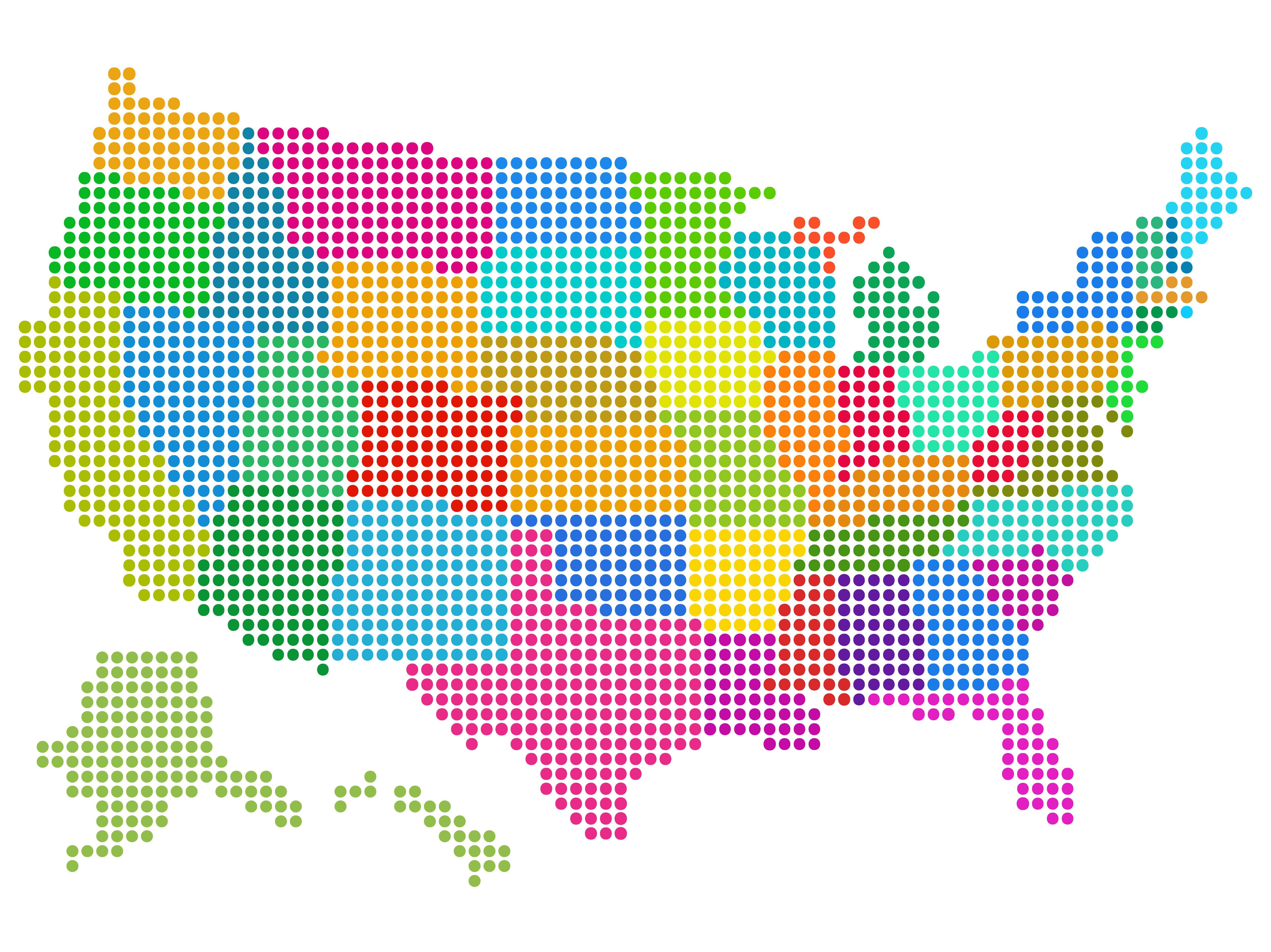
This paper makes the case for leveraging new mapping tools to spark fresh conversations and spur collaborative action.聽
This paper makes the case for leveraging new mapping tools to spark fresh conversations and spur collaborative action. Spatial analysis and data visualization can be a powerful first step, enabling policymakers and the public to better understand the whole, interconnected network of learning opportunities within their communities. It complements by The Ohio State University鈥檚 Kirwan Institute for the Study of Race and Ethnicity that lays out how mapping can be used to 鈥渞eveal where opportunity is located geographically, and demonstrate how different groups of people are concentrated in areas of low or high opportunity.鈥� Seeing communities with rich learning networks鈥攁s well as those with gaps and holes鈥攈ighlights where inequalities exist and intersect. 鈥淢aps,鈥� the Kirwan researchers write, 鈥渃an stimulate dialogue and consensus-building among stakeholders,鈥� and focus attention on how best to strengthen and rebuild communities. Mapping is a powerful tool for directing collective attention and investment toward closing these gaps.
To be sure, mapping cannot capture or solve for everything鈥攖here are limitations to any form of analysis. But it can prompt dialogue at a level of specificity that triggers action and a sense of responsibility among community leaders, and can illustrate what healthy networks of learning opportunities look like for today鈥檚 and tomorrow鈥檚 learners.
鈥楶utting Learning on the Map,鈥� highlights examples of how mapping and analysis have been used to understand different pieces of 21st century learning networks. Each example individually demonstrates the wide impact mapping can have: illustrating resource disparities, identifying changing needs, shaping and moving popular opinion, providing needed information, and driving community investment. They expose what is necessary to succeed in a century in which learning is dependent upon, and defined by, the formal, informal, and online resources families and students have within their reach.
Read the full report,聽, to explore these examples in depth.
More 麻豆果冻传媒 the Author
Issues
Programs/Projects/Initiatives
Related
Inside 2025: A Year of Urgency and the Wins That Mattered Most
Reflecting on 2024: The Work and Wins That Drove Us

Everything You Need to Know: Education in the Coronavirus Emergency Bill