Lul Tesfai
Senior Policy Advisor, Center on Education & Labor
Given what we know (and don't know) so far about IRAPs, opening up eligibility for federal grant funding seems like a bad idea.
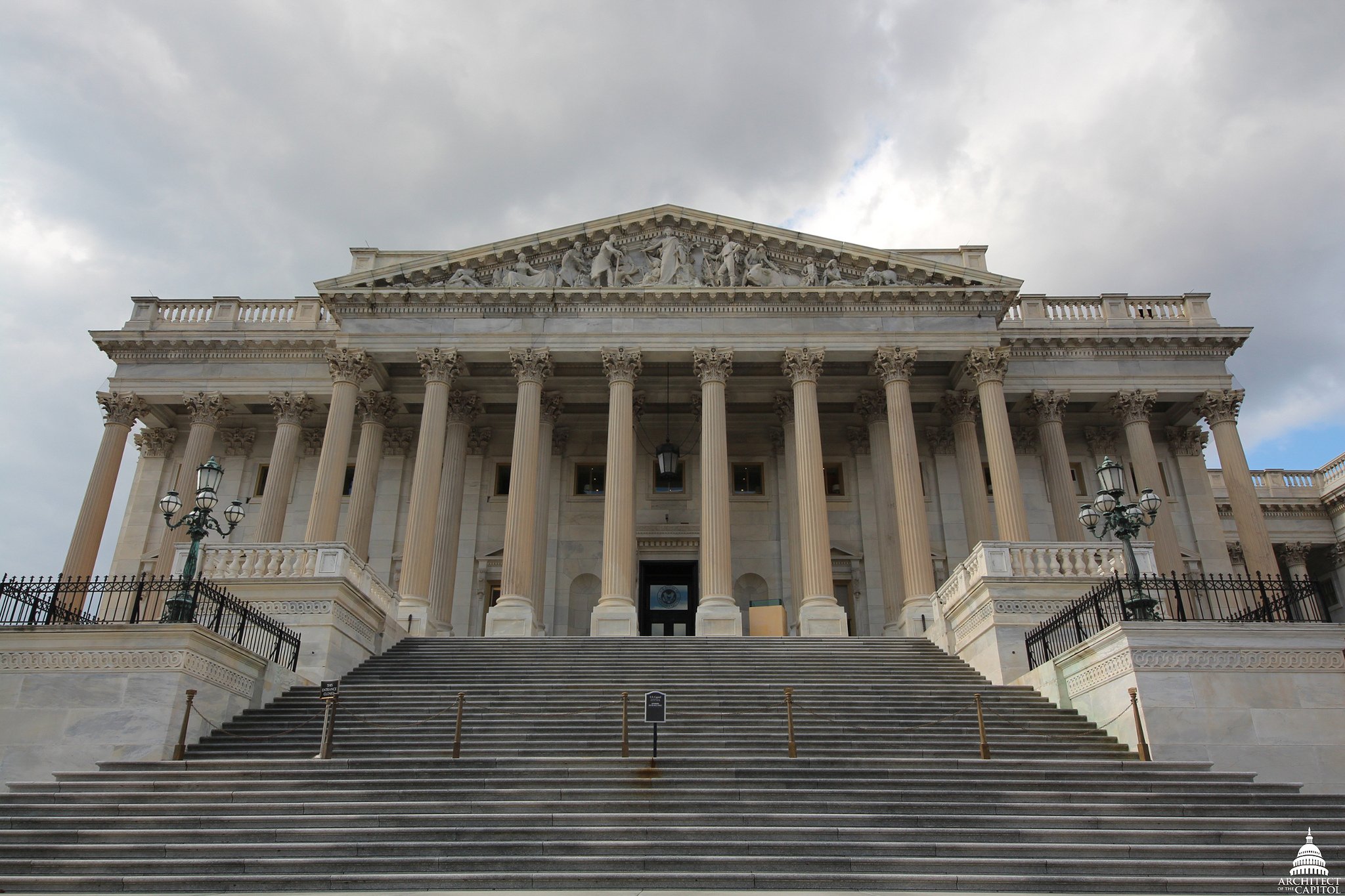

On June 12th, the House of Representatives will vote on an amendment to the that would make 鈥淚ndustry-Recognized Apprenticeship Programs鈥� (IRAPs) eligible for federal funding. The amendment, proposed by Rep. French Hill (R-Ark.) would apply to a proposed $250 million appropriation to support the expansion of apprenticeship programs. The bill鈥檚 current language limits grant eligibility to Registered Apprenticeships; the Hill amendment would remove that restriction, allowing the Department of Labor (DOL) to fund the development of IRAPs through discretionary grant programs as well.
The problem is we don鈥檛 know precisely what IRAPs are or how they will work. The Trump administration still has not issued any clear guidance on what makes an apprenticeship 鈥渋ndustry-recognized.鈥� As a result, the Hill amendment would open up federal funding to an as-yet-undefined type of apprenticeship program.
Registration isn鈥檛 perfect, but the proposed IRAP system could sacrifice some important quality assurance measures and apprentice protections to create a small amount of flexibility in program design. Rules requiring that apprentices earn higher wages as they gain skills鈥攐ne of Registered Apprenticeship鈥檚 biggest benefits to learners鈥攃ould be weakened or eliminated. Quality assurance could be delegated to private entities, some without any experience in program evaluation and monitoring. And Registered Apprenticeship鈥檚 equal employment opportunity requirements might not apply to IRAPs at all.
Once removed, those safeguards would be hard to win back. But the truth is that it鈥檚 hard to do an effective side-by-side comparison of IRAPs and Registered Apprenticeships. Though IRAPs have been in the works for two years under the Trump administration, DOL still hasn鈥檛 begun the rulemaking process that will define what IRAPs are and how they will work.
Taking into account all we know (and don鈥檛 know) about IRAPs so far, guaranteeing these programs access to taxpayer dollars seems like a bad idea. The following FAQs explore the Trump administration鈥檚 IRAP concept so far and how it differs from Registered Apprenticeship. For a deeper dive into our concerns about the model, you can read our submissions for the first and public comment periods for an information collection request issued in support of IRAPs late last year.
What is an Industry-Recognized Apprenticeship Program?
An Industry-Recognized Apprenticeship Program (IRAP) is a proposed new type of apprenticeship program that would exist alongside the Registered Apprenticeship model that has been used for over 80 years. The Trump administration鈥檚 June 2017 called for the establishment of IRAPs.
Like Registered Apprenticeships, IRAPs would include a paid-work component and a class-based educational or instructional component. Other proposed quality criteria include mentorship, safety provisions, and the ability to earn industry credentials. However, no regulations have been drafted to formalize the specific requirements of IRAPs, nor how these requirements would be enforced.
What is the difference between an IRAP and a Registered Apprenticeship program?
Though IRAPs could share some characteristics of Registered Apprenticeships, they would not include a contractual agreement between apprentice and sponsor, and do not guarantee progressive wages for apprentices as their skills increase. Current regulations do not establish a formal minimum time to complete a Registered Apprenticeship, but they do recommend that programs last no less than one year; we鈥檝e seen no evidence yet of any such guideline for IRAPs. Additionally, regulations that pertain to equal employment opportunity do not yet apply to IRAPs.
Why was the IRAP model developed?
Relatively few Americans train for work using apprenticeships. Though there are complex reasons for low apprenticeship utilization in the United States, some employers and industry associations argue that procedures for registering apprenticeships discourage new sponsors from starting up programs, especially outside of industries that have traditionally used apprenticeship. IRAPs aim to increase apprenticeship availability by reducing government oversight of apprenticeship programs. However, it is unclear whether the IRAP model on its own will substantially increase the number of quality apprenticeship programs that employers provide.
Who can develop and deliver an IRAP?
Like Registered Apprenticeships, IRAPs could be developed and delivered by a variety of organizations, including trade and industry groups, companies, non-profit organizations, educational institutions, unions, and joint labor-management organizations.
What quality assurance processes apply to IRAPs?
In the procedural guidelines it has published so far, DOL has suggested that all IRAPs would be certified by a new type of industry accrediting body. These bodies could include industry associations, employer groups, labor management organizations, educational institutions, and community-based organizations. It鈥檚 unclear whether an organization providing IRAPs can also serve as an accreditor for its programs鈥攁 situation that would create possible conflicts of interest.
On July 27, 2018, DOL released a , a form of non-regulatory guidance, that provided a framework for IRAP accreditation. An information collection request (ICR) issued in September 2018 provides further hints as to how IRAP quality assurance would work, but in the absence of formal regulations, it remains impossible to say what IRAPs would look like in practice.
Enjoy what you read? Subscribe to our newsletter to receive updates on what鈥檚 new in Education Policy!
Senior Policy Advisor, Center on Education & Labor