Abbie Lieberman
Senior Policy Analyst, Early & Elementary Education
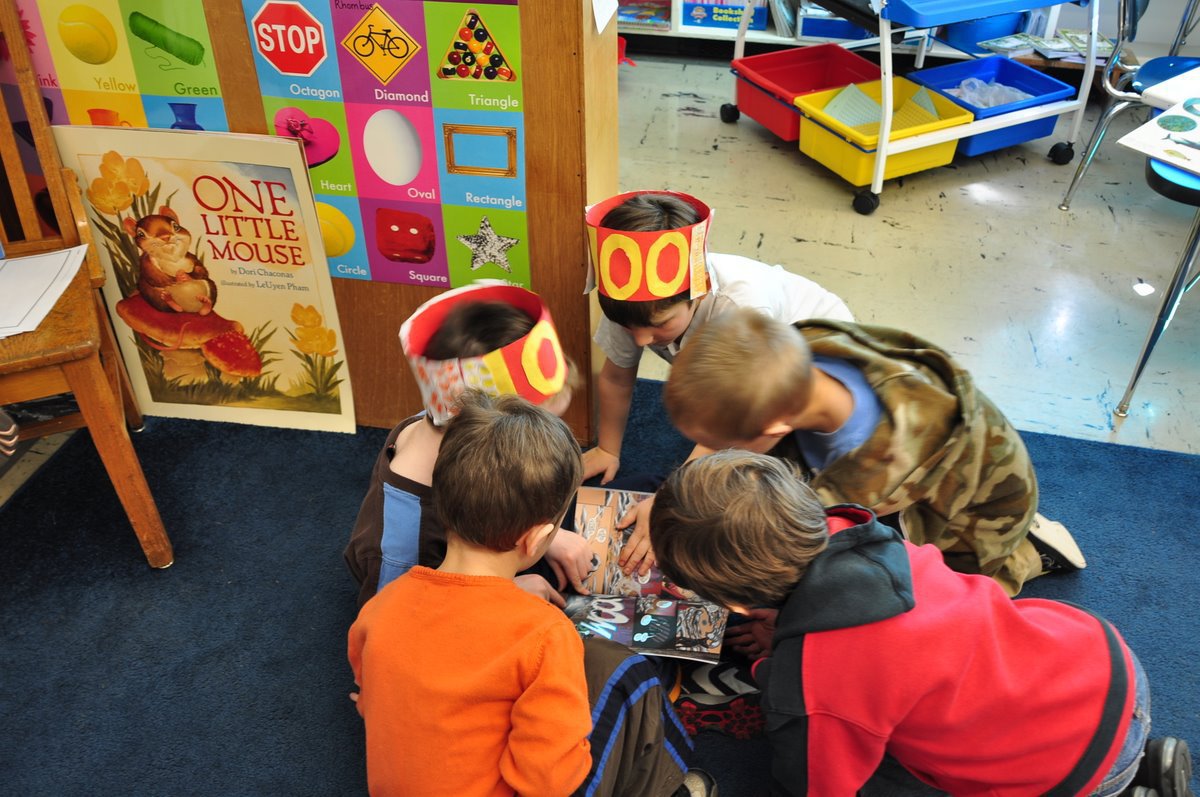


As a new administration and Congress turn to the hard work of legislating, there鈥檚 a weighty question on many Americans鈥� minds: How do we spark lasting change in the lives of ordinary people?
Simple: We start with children and their families.
Anyone who spends time around young children will quickly notice that they are constantly learning. Because their brains grow at a rapid pace during these early years, children are especially impacted by their surroundings. This means the聽relationships and quality of interactions聽children experience with their parents, caregivers, and teachers matter鈥攁 lot. Positive experiences promote healthy development and learning and lay a foundation for future success. And children who have access to high-quality early care and education experiences are more likely to begin聽, read on grade level by third grade, graduate high school, and go to college, among other benefits.
Yet high-quality programs remain out of reach for millions of American families. As is the unfortunate case with K-12 education, zipcode too often determines the kinds of opportunities children have.
That is why America needs a real early care and education infrastructure.
There have been several attempts in the past to address this issue, but they were聽short-lived,听, or聽worthwhile but smaller聽than necessary to fully meet needs. And recent ideas from Congress, the Trump campaign, and聽cabinet聽appointees are woefully inadequate. News sources show that the Trump spending plan will point the knife at non-defense programs while聽. And its聽聽is directed toward the people who need it the least and doesn’t address聽quality听补苍诲听availability聽of early learning. Speaker Paul聽聽and Health and Human Services Secretary Tom Price want to devolve all federal power on education policy to the states (many of which historically have not shown the desire, let alone offered the administrative capacity or financing to address inequality in any sustained way), and the prominent conservative聽聽wants to eliminate the federal role in education altogether.
If we truly are to 鈥渆nrich the mind鈥攁nd the souls鈥攐f every American child,” as President Trump mentioned in his address to Congress on Tuesday, better infrastructure is needed. Here鈥檚 our vision for early care and education infrastructure.
Learning starts at birth, and infrastructure for paid family leave is the first piece of the early learning puzzle: a way to support families as they recover, bond, and care for their newborn. Yet only an estimated聽聽of Americans in the civilian workforce have access to paid family leave, and many don鈥檛 even have access to unpaid leave or sick days. The alternative, infant care, incurs astronomical聽costs, because it requires more teachers with smaller groups of babies and more one-on-one care than does care for older children. The United States is long overdue for creating paid leave infrastructure鈥攖he infrastructure that our politicians should be focused on.
Six weeks of maternity leave and Dependent Care Savings Accounts, as聽, are not the answer: These policies would leave out fathers, LGBT and adoptive parents, privilege high income families, and fall far short of the cost of care, which聽the Care Index聽estimated at $9,589 per child per year. The new administration should instead look to building inclusive family infrastructure that offers at least three months (ideally six for each parent) of聽gender neutral, job-protected leave with high wage replacement rates, especially for low wage workers. The聽聽proposes a national social insurance system paid for, like Social Security, with a small payroll tax.
When parents are ready to return to work, they need accessible, affordable, safe, high-quality options for their young children, especially when they are infants and toddlers. The federal child care investments are primarily delivered through the Child Care and Development Block Grant (CCDBG), which subsidizes the cost of care for the very poor. The recently reauthorized law requires newly expanded health and safety measures, but they only apply to centers receiving subsidies, and do not address the quality of care, adult-child interactions, or whether there are enriching environments to help healthy child development. And the funding associated with CCDBG, which will largely go toward implementing the new health and safety measures, leaves little to no money to train teachers. More, not less, federal investment is needed to ensure all families have safe, affordable and high quality care available to them鈥攏o matter if parents work nights, weekends, or in isolated rural areas.
It hasn鈥檛 been all bad, though. There is one program where the federal government does place a much-needed emphasis on quality: Head Start. Head Start aims to provide high-quality early education and care to almost one million children from families in poverty each year. Research has shown its benefits stretch into adulthood鈥攅ven into the聽鈥攁nd its聽standards were updated聽just last fall to better align with what the latest research says about environments and strategies that work best for young children. Yet due to funding constraints, Head Start only serves a small percentage of the nation鈥檚 pre-K students.
In recent years, states have stepped into the void by creating and expanding their own pre-K programs. In 2015, almost聽聽attended a state-funded pre-K program. Obama Administration policies accelerated state efforts through federal grants, helping states improve their early education infrastructure and program quality, and serve more children. When done well, state programs like聽North Carolina鈥檚聽benefit children at least through elementary school.
While Trump has been silent on Head Start, Health and Human Services Secretary Tom Price, who will oversee the program, has advocated for directing Head Start funding directly to states instead of to individual local grantees, giving states聽聽over the program. Speaker Ryan also argues for state control of Head Start, and the Heritage Foundation wants to cut federal funding for early learning entirely.
Giving states more control over Head Start isn鈥檛 inherently bad policy, but doing so without strong quality and equity provisions in place and inadequate funding could be disastrous. Instead of cutting federal funding and just hoping that states control for quality, federal policymakers should be helping states expand access to high-quality pre-K for all families. Public education arbitrarily begins at kindergarten, even though we know that children are聽learning long before that.听Universal pre-K聽for three- and four-year-olds would not only help prepare children for kindergarten, but it would also reduce family’s financial burden.
And last, policymakers must recognize that it is impossible to provide quality care without a strong workforce. Too few teachers and caregivers have access to preparation or training that equips them with the knowledge and competencies they need to engage with young children. It鈥檚 also difficult to attract and retain effective teachers when their wages are聽abysmally low.
Policies should be drawn so that families are seen and treated as partners in their children鈥檚 learning. The most effective early learning programs聽聽to support their children鈥檚 development. After all, children鈥檚 teachers usually change from one year to the next, but their families rarely do. These programs also need to meet the unique needs of our growing聽dual-language learner population and their families, for whom high-quality early education can be especially beneficial.
It鈥檚 not rocket science: Early care and education is infrastructure, a public good in support of American families. Building it will take real investment鈥攏ot just tax credits and deductions.
Senior Policy Analyst, Early & Elementary Education
Senior Policy Analyst, Better Life Lab
Senior Fellow, Early & Elementary Education