Danila Crespin Zidovsky
Senior Policy and Leadership Specialist
Saul Zaentz Early Education Initiative
States and municipalities will need to step up and design the systems of early education and care that are currently lacking.
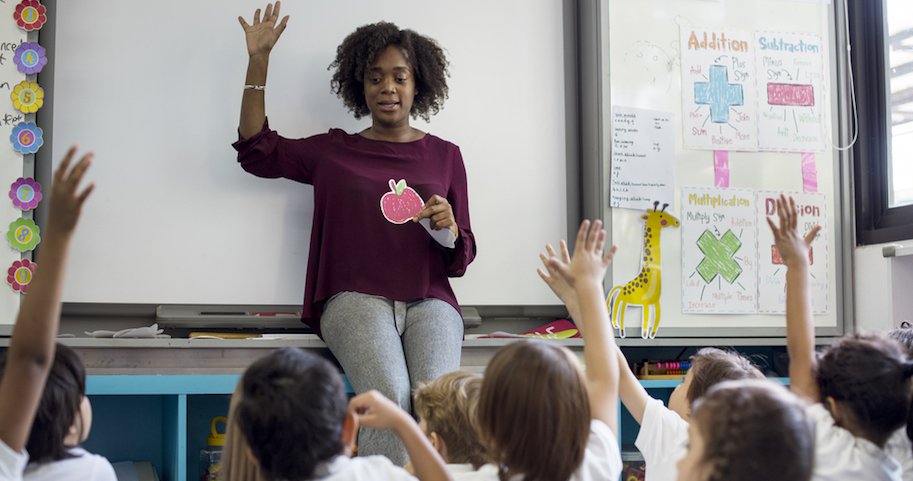


The early education workforce is in crisis.
For two years, our country鈥檚 early childhood educators have been on the frontlines of the COVID-19 pandemic, supporting families and children. They have done so in harrowing conditions, serving a population that has been largely ineligible for the COVID-19 vaccine, while navigating systemic inequities that include poverty-level wages for their work.
These circumstances show just how vulnerable early education has been to the pandemic, and reminds us how fragile the field is. One in seven early education jobs vanished during the pandemic, and workers are fleeing the profession in droves. Child care centers have closed, making it harder and harder for families with young children to find care at all.
Pandemic-driven child care closures have been especially hard on women, who were than men to leave their careers to take care of their children during the pandemic. According to the National Women鈥檚 Law Center, from February 2020 to January 2022, 1.1 million women left the labor force. Low-income women were hit hardest by fluctuating employment, housing and food insecurity, and COVID-19 itself鈥攇reatly affecting their and their families鈥� future earnings potential.
These facts certainly paint a dire picture. To better understand how early childhood educators fared during the pandemic, we conducted multiple surveys with hundreds of educators in Massachusetts as part of a large-scale, statewide study (the Early Learning Study at Harvard). We confirmed that, indeed, the pandemic has , including increasing frustration in the workplace, and led them to worry about their mental health, their finances, and their own children. For example, in our most recent survey, conducted with 650 educators in the summer of 2021:
鈼� 56% said that the pandemic has affected their mental health.
鈼� 41% said that the pandemic has caused them financial stress.
鈼� 58% of early educators with their own children said they were worried for their children鈥檚 future.
The pandemic has shown us just how instrumental early education and care is to our economy, in addition to the undisputed benefits for young children鈥檚 academic and social-emotional development. What can be done to create such a system, help families and educators, and bring the benefits of early education to as many young children as possible?
For years, early education has existed as a complex and fragmented patchwork of programs without adequate public funding. Fixing that will cost money, no doubt about it. But without a massive federal investment like Build Back Better, which for now at least appears to have stalled in Congress, states and municipalities will need to step up and design the systems of early education and care that are currently lacking.
To do so, they can build on the lessons they learned from applying in pandemic relief that was dedicated to the child care industry. To date, these lessons point to three key actions governments can take to build a strong early education system: support a well-compensated workforce, invest in quality early educator and child relationships, and offer dynamic and collaborative professional learning opportunities.
As we enter the third year of the pandemic, we can reflect on what we have learned, how we will slowly adjust to the new reality, and how we can transform early education and care in communities and states across the nation to create the robust system we need to support working families and propel our youngest learners on the path toward healthy development and school success.
Enjoy what you read? Subscribe to our newsletter to receive updates on what鈥檚 new in Education Policy!
Senior Policy and Leadership Specialist
Saul Zaentz Early Education Initiative