Jane Greenway Carr
Editorial Fellow
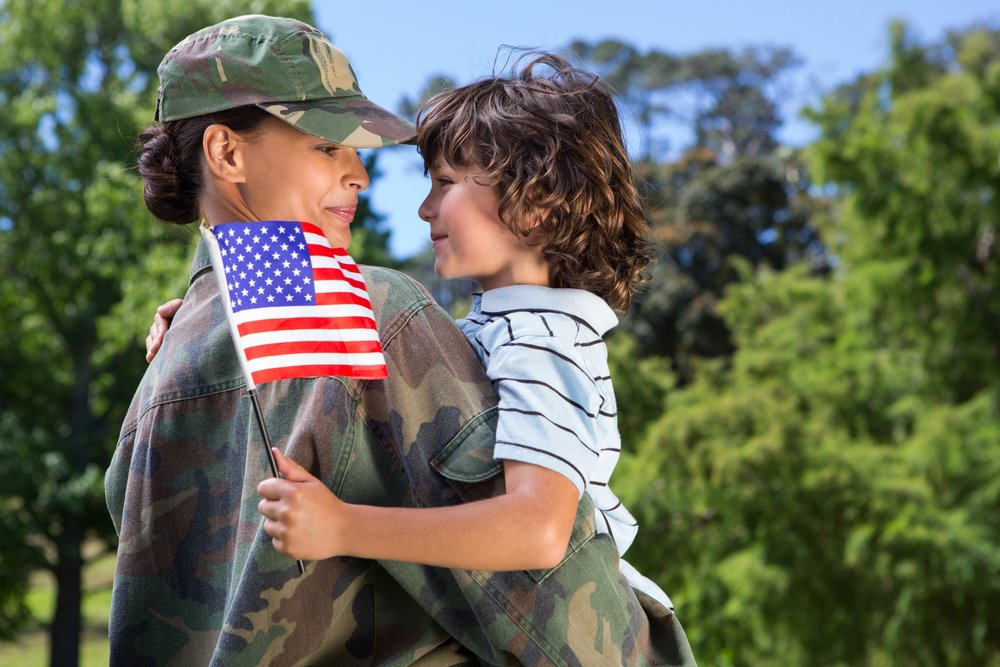
When Captain Margie Finlay joined the Air Force in the early 1970s, she found herself more in the milieu of Emily Post than fighter pilot. Finlay recalled in a featured on NPR: “We actually had classes where they would bring in ladies that did makeup and hair, and we would practice how to dial a phone with a pencil. I remember sitting there looking at all of us thinking, ‘This is kind of silly.’ I wanted to get out there and shoot a gun.”
While these lessons in personal grooming and clerical prowess certainly seem like a throwback to the Mad Men era, they pale alongside what came next for Finlay. When she became pregnant with her son, her sergeant told her she would have to leave the military unless the child鈥檚 father gave his permission鈥攚hich he refused to do. Without her baby鈥檚 father鈥檚 signature, Finlay was out (though she would re-join over a decade later). And she was far from alone: Until a in which a woman sued the Marine Corps over its policy to discharge (and notify the parents of) pregnant service members, women were often automatically discharged from the military when they became pregnant. Policies requiring spousal consent (for military and civilian women alike) for pregnancy-related matters lingered even after the , passed two years later; spousal notification for abortion was not until 1992.
Fast-forward to today: two critical factors have changed dramatically when it comes to fertility and military service. Not only are they no longer considered incompatible, but the highest military leadership鈥擠efense Secretary Ash Carter鈥攈as also made giving both women and men more resources and greater agency when it comes to their fertility a significant priority. Earlier this year, as part of a series of changes to policies governing parental leave and childcare called 鈥淔orce of the Future,鈥� that the Defense Department will cover the cost of freezing eggs or sperm through a $150 million pilot program for active duty service members. While coverage for treatments like IVF post-discharge, Carter also indicated that the department is evaluating how it might someday be able to provide that and other reproductive technologies to a wider pool of service members ( website, reduced-cost fertility treatment is currently available at six locations). The program will be evaluated after two years and could be made permanent. This change could not only make for a historic change for the military and foster greater gender parity in a traditionally unequal field; it could also help ameliorate some of the sacrifices and challenges faced by both men and women soldiers.
While less-discussed than traumatic brain injury, the era of IED warfare has also brought with it a dramatic increase in devastating injuries to the lower body and reproductive organs. For men鈥攁nd now, women鈥攕erving in combat roles, knowing that they have an insurance policy to become parents someday even should such an injury befall them could bring much-needed peace of mind. At the same time, the Pentagon鈥攐ne of the largest employers around鈥攊s looking for ways to keep its top talent. Currently, military women in their childbearing years have a retention rate 30 percent lower than male counterparts; with the option to freeze their eggs, the Pentagon is hoping to offer active-duty women the flexibility to remain deployed abroad or pursue military promotion with less worry about a biological clock ticking.
Debate immediately followed Carter鈥檚 announcement of the pilot program: will the military adequately (and convey to its soldiers) the risks and low success rates of reproductive technologies, especially in the event the draft is reinstated? What about the ? Those questions remain open, but it鈥檚 clear that talent retention and promoting a family-friendly environment are the program鈥檚 main focus. In the past year, other high-profile employers, especially in the tech sector, have also made headlines for offering to pay the cost of freezing eggs in a bid to recruit and retain top female job candidates.
Moves in this direction from star players like Google, Apple, and Facebook鈥攁nd from the Pentagon鈥攃ome as little surprise to John Costello, who served in the U.S. Navy doing intelligence work for six years and is a leading thinker in cyber warfare, emerging technologies, and information dominance. 鈥淲hen looking for the best talent,鈥� he points out, 鈥渋t鈥檚 best not to limit yourself. Both in the military and in tech, women are going to be the next major talent pool to be fought over.鈥� Having worked closely in military, policy, and tech circles, Costello also identifies Millennials as a key constituency for these types of benefits. 鈥淢illennials tend to expect a bit more from their employers,鈥� he says. 鈥淚 think they鈥檙e seeking a relationship that the military has perfected: your employer as caretaker.鈥�
And it isn鈥檛 just about attracting and keeping the best female talent, either鈥攊t鈥檚 been less discussed in the media coverage than egg freezing, but banking sperm (and preserving their fertility options overall) is a priority for men, too. Costello remembers talking with his (now ex) wife about using advanced reproductive technologies when they were both on active duty (she鈥檚 still in the military). While they ultimately had a son together, now four years old, reading about the pilot program 鈥渞esonated with me quite a bit,鈥� because the cost of gamete retrieval and storage was 鈥渞eally astronomical.鈥� 鈥淲e really couldn鈥檛 afford it,鈥� he recalls, in part because it was a cost they couldn鈥檛 plan for. 鈥淭he real worry was the cost of storage, because you don鈥檛 know [how long it will last]. Like they say, never a good time to have a kid. It could take years.鈥�
Dr. Elspeth Ritchie, a retired Army colonel and psychiatrist and expert in military women鈥檚 health, trauma, and mental health issues, is working on a book on the military and sexual health that will address the problem for wounded veterans of intimacy post-injury. 鈥淚 was absolutely delighted when Ash Carter made the announcement about banking sperm and freezing eggs,鈥� Ritchie says. It鈥檚 been a hot topic of conversation among soldiers (and their wives and husbands) at conferences and meetings in her field, notably Intimacy After Injury, sponsored by the . She notes that the UK began offering the option to bank sperm before the US, and says now is an 鈥渋nteresting moment鈥� the military鈥檚 approach to sexual and reproductive health. Whether it鈥檚 preserving the option to become pregnant, obtain an abortion, or take maternity leave, says Ritchie, the military has in the past sent an 鈥渋mplicit message to many women [to] 鈥榡ust deal.鈥� Women in the military don鈥檛 like to complain so they try to figure it out but then they don鈥檛 stay in.鈥� Now, at least, the military is taking steps 鈥渢o be able to say, 鈥榊eah, well, deal鈥攂ut we鈥檒l help you figure out it.鈥欌�� She hopes the advent of the program will 鈥渄rive more couples to talk about鈥� having a fertility plan. 鈥淚 think this should become a part of the routine鈥濃�攍ike arranging a will and life insurance鈥攆or anyone going into harm鈥檚 way: soldiers, firefighters, members of the Peace Corps. 鈥淚 do think that [the military鈥檚] saying concretely, 鈥楾his is something we care about鈥� will drive the conversation forward in civilian life as well.鈥�
Some civilian observers are cheering. 鈥淎 military career is inherently more uncertain than a typical 9 to 5 job,鈥� says Stephanie Stark, author of The Savvy Girl鈥檚 Guide to Egg Freezing.
鈥淭he government sometimes gets criticized for being slow to change and these proposed reforms place the military on the cutting-edge of the fertility programs that are offered within typical companies and should be applauded.鈥� Stark also makes the point that even if the military opts not to cover in-vitro fertilization, the cost of IVF will still be 鈥渟ignificantly reduced, since the egg retrieval and often-times expensive medication to produce the eggs will already be paid for.鈥�
Others, like Center for Genetics and Society Executive Director Marcy Darnovsky, have reservations about the program鈥檚 potential impact on female service members. 鈥淚f you鈥檙e in the military, and your commanders are saying or implying that egg freezing is safe and effective, you might tend to overlook the risks to your own health (including long-term ones, about which there’s still shockingly little data) and to your future children (about which there’s virtually no data). You might also assume that egg freezing really works, and tend to overlook just how scant information about success rates is.鈥� Of pressing concern to her are the questions of informed consent and data collection. What kind of process will be in place 鈥渢o convey full information to soldiers who may be considering accepting the offer, including about immediate and long-term risks to the women and risks to any future children?鈥� And will the Pentagon 鈥渄o any better than the commercial fertility industry, which despite decades of egg retrieval procedures has collected very little data about health outcomes, especially long term?鈥� She sees hope that, since many soldiers remain in the VA system, the Pentagon can potentially collect and analyze data more effectively.
There also may be the temptation for military higher ups to think they can put all their eggs in one basket (pun intended with apologies), when, in reality, these changes must be one part of a larger solution. Analysts and observers of work-family integration in civilian life emphasize the interconnectedness of employer-provided fertility planning options and other progressive workplace policies like paid family leave. As Rachel Lehmann-Haupt, who wrote In Her Own Sweet Time: Egg Freezing and the New Frontiers of Family, put it recently on NPR鈥檚 鈥淭he Diane Rehm Show鈥�: 鈥淓gg freezing is not a pill.鈥� She meant that it will not single-handedly solve the problem of how to make it easier for anyone鈥�military or civilian鈥�to have a family and a job.
Ultimately, though, for many, the most important aspect of this pilot program is its acknowledgment and spotlighting of some of the fundamental changes to the nature of contemporary warfare, which is now shaped far more by explosions than gun battles. Traumatic brain injury gets more press, perhaps, but soldiers how high their risk is for traumatic genital injury (and resulting infertility and sexual dysfunction) as well. In addition to paying to freeze reproductive cells, the Pentagon is also working to such as body armor to shield the genitalia of both sexes. Johns Hopkins University is pioneering a procedure, for which the first patients will likely be wounded veterans.
For John Costello, having a cost-free option for soldiers to meet these risks head-on is invaluable. When asked whether he would have participated in something like the pilot program while on active duty, he replied without hesitation. 鈥淭here鈥檚 absolutely no doubt, if I knew I was going to go into harm鈥檚 way.鈥� 鈥淏eing removed from the gene pool in any way is extremely traumatic,鈥� he continued. 鈥淚f I knew in the back of my mind that there was a program like this, that would mitigate some of that [physical and] psychological damage,鈥� it might help to cope with an unimaginable sense of loss.
Forty years ago, women who wanted to serve and to parent faced a different sort of loss. And today, while still preliminary (and perhaps imperfect), efforts exist to give women and men ways to avoid sacrificing parenthood for patriotic duty. Surely that is a sign of progress, one to keep tracking as combat opens to women next month鈥攁nd one that we could imagine might please Captain Margie Finlay.
Editorial Fellow