The Global Race for Critical Minerals in the Deep Ocean
In its natural state, cobalt is often buried in a hunk of gray rock, sometimes with blue cheese speckles and veins of color that hint of the minerals lurking inside. More than 2,000 years ago, the ancient Egyptians figured out how to extract cobalt to give a blue tint to pottery; today, this material is a go-to building block in everything from jet engines to electric cars to cell phones.
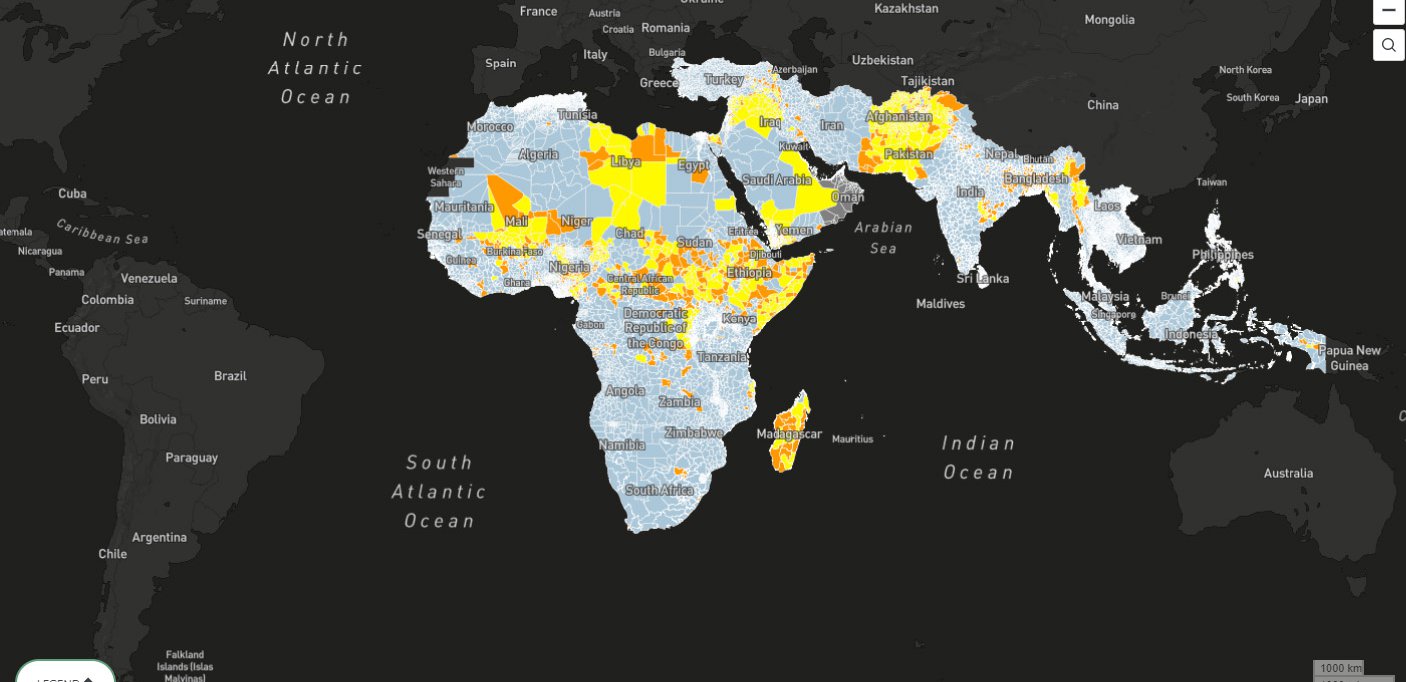
Unfortunately, cobalt is a little hard to come by. First, there鈥檚 a reason it鈥檚 buried in those gray rocks: It鈥檚 a byproduct, usually tucked away next to copper ore, and it鈥檚 not easy to extract. Then there鈥檚 the location of the rocks: More than is in the Democratic Republic of Congo (DRC), a country that has seen more than its share of misery, from King Leopold鈥檚 genocide to a recent outbreak of Ebola.
Even so, the DRC鈥檚 cobalt is a locus of a growing geopolitical contest. China, which depends on imports to meet its demand for cobalt, has been pursuing investments in since 2007, now with a one-third ownership stake and in charge of almost 50 percent of all processing. The United States only recently singled out cobalt as one of essential for the nation鈥檚 security, a collection of elements called America鈥檚 鈥淎chilles鈥� heel for competitiveness, for manufacturing, and for geopolitics.鈥� For countries such as the DRC, the attention and more generally the resource wealth is both a 鈥� a source of income and jobs, but also of instability, corruption, and unbalanced economic growth.
There may, however, be a way to sidestep competitions and curses when it comes to these mineral resources altogether: mining on the ocean floor.
Seventy-one percent of the Earth鈥檚 surface is actually under water, and the seafloor (or seabed), is rich in minerals such as cobalt, especially in deep international waters. Harvesting those riches could avoid geopolitical choke points and mute the resource curse for countries such as the DRC, or it could be a gigantic money pit, or the next global environmental catastrophe and mass extinction event. Or it may be all of the above, but no one really knows 鈥� yet.
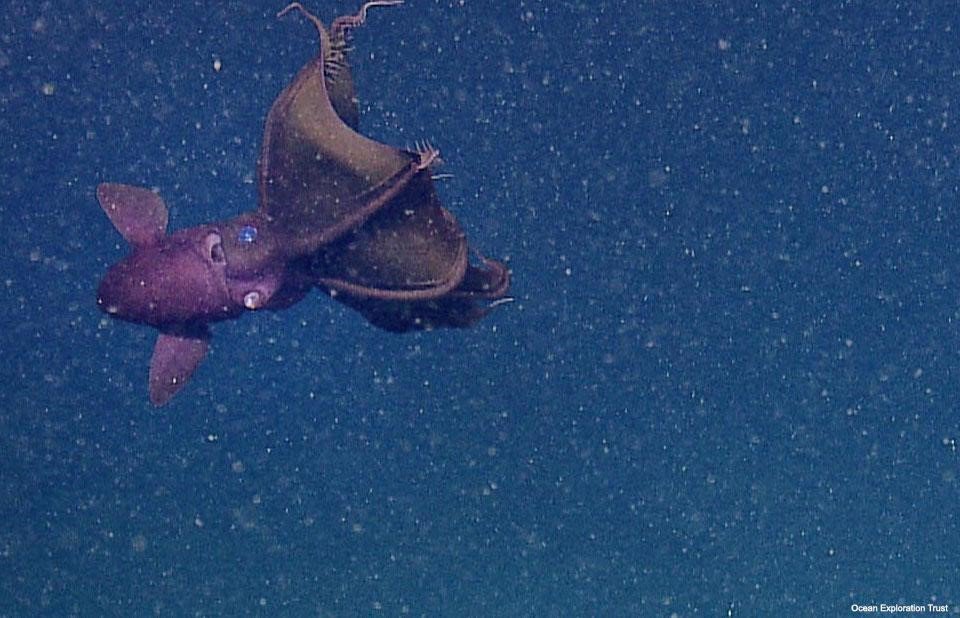
The deep sea is defined as the water column and seabed below about 650 feet, though much of the deep-sea floor is below . Depths between about 9,500 and 20,000 feet are typical for what are called abyssal plains, a very high-pressure environment with no light and . Other deep ocean environments may be boiling hot; water around hydrothermal vents, for example, can be in excess of Fahrenheit. Nonetheless, the deep sea is the on the planet, a spooky environment populated by fantastical creatures such as the , the , and that have been around since the Bronze Age. This is a largely unknown frontier for humans given its inhospitality: According to the National Oceanic and Atmospheric Administration (), most scuba divers become incapacitated at only 250 feet. More than and unexplored.
NOAA
Given these difficult circumstances, there are good questions as to why there is so much interest in seabed resources. First, new technologies are making both exploration and exploitation more possible. The oil price spike in the first decade of the twenty-first century spurred innovation in offshore drilling, just as it did with horizontal drilling and hydraulic fracturing on land, and many of these technologies can convey to deep-sea mining. These innovations range from ceramic equipment more tolerant of the deep-sea environment, to satellite imaging of the seabed, to new .
There is also another kind of technological advancement driving the interest in these materials. Although humans have made use of cobalt and what are now generally called critical minerals since even before the ancient Egyptians, demand has climbed in the digital age. Materials that are plentiful on the ocean floor, such as cobalt, rare-earth elements, and manganese, enable everything from batteries, to magnetic resonance in medical equipment, to guidance systems for munitions. Some technologies, such as smartphones, have only been around for about a decade, so the full geopolitical and economic implications of such steep demand curves are still taking shape.
The global energy transition is generating another important demand curve. The International Energy Agency estimates, for example, that there needs to be electric vehicles (EV) on the world鈥檚 roads by 2040 in order to meet global greenhouse gas reduction targets. This will drive up demand for cobalt, a key material in most EV batteries. Tellurium is an indispensable part of some photovoltaic solar panels, and it has the distinction of being one of the in the world. There are only two locations that produce actual tellurium ore, Sweden and southwestern China; otherwise, it is usually a messy byproduct of copper extraction. Tellurium is, according to the (USGS), 鈥渁bundant鈥� in some deep sea environments.
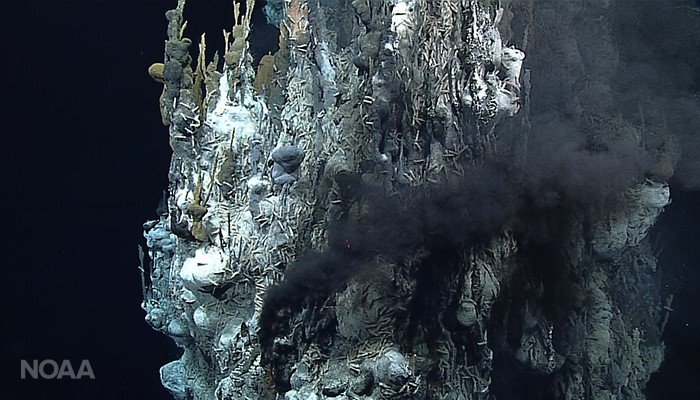
Mineral deposits containing tellurium and cobalt are not only plentiful in some parts of the ocean floor, the tends to be much higher than is the case on land. These commercial quantities of minerals are generally in one of three locations, both within and well beyond any nation鈥檚 territorial waters. First, there are polymetallic nodules, which are potato-shaped rocks perched on the ocean floor. There is a particularly heavy concentration of manganese-rich nodules, which also contain cobalt, scattered across the abyssal plains of the Pacific Ocean. Then, there are hydrothermal vents, or upwellings of hot water from subsea volcanoes, which spit up a high concentration of minerals, including copper and zinc. Cobalt- and tellurium-rich deposits are crusted on the flanks of extinct underwater volcanoes called seamounts.
NOAA
Even with better technology and growing demand, the deep seabed is not quite the next gold rush, given the environmental risks, high costs, and the contest for mining rights.
The environmental risks are still murky, and little is known about the deep ocean. The Clarion-Clipperton Zone, for example, cuts across almost 2 million square miles between Hawaii and Mexico — about the size of the continental United States. This vast area consists mostly of abyssal plains and small seamounts, and is littered with those manganese-rich nodules, which are likely to be the first source of economically recoverable deep-ocean minerals.
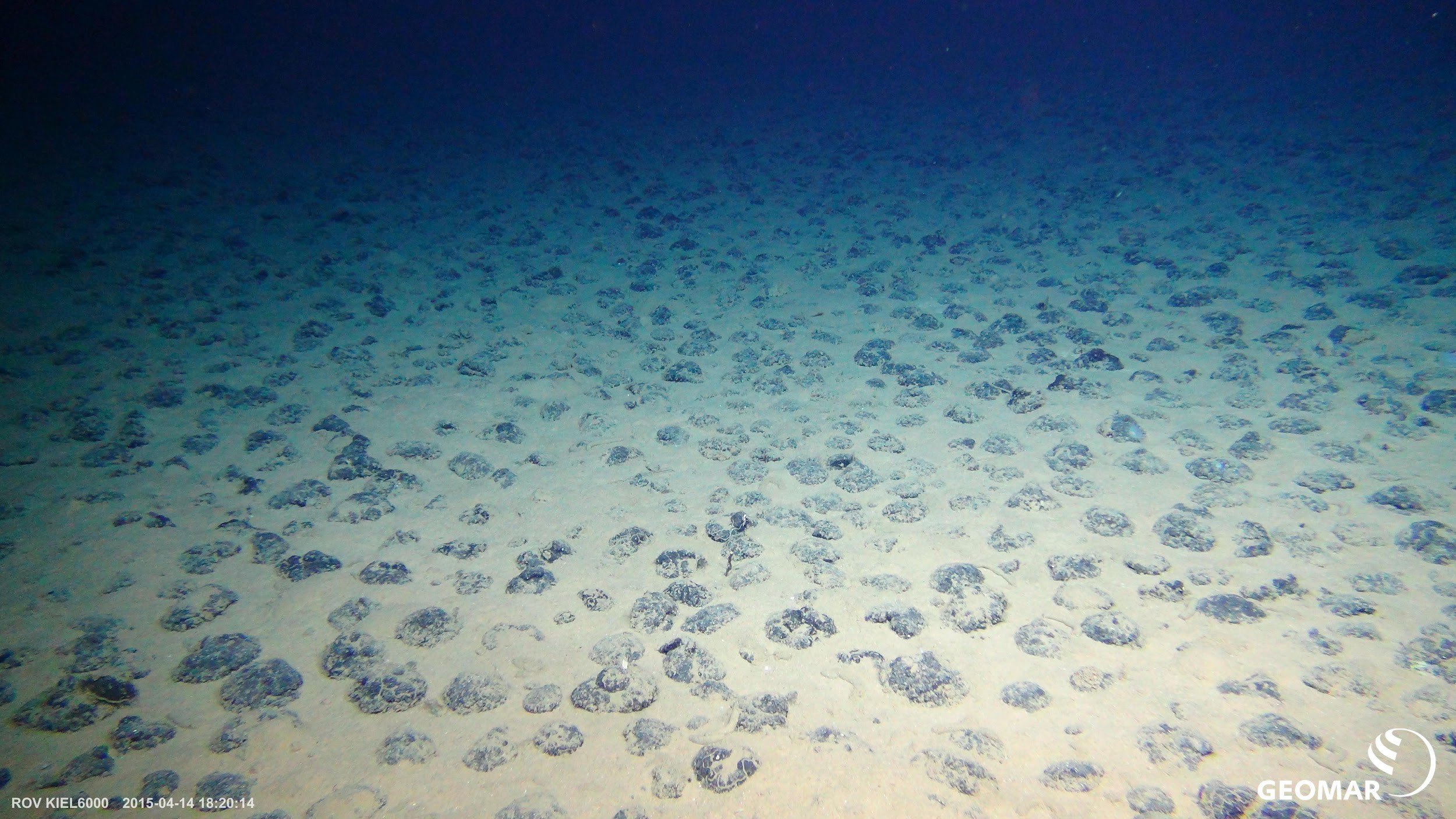
ROV KIEL 6000/GEOMAR (CC BY 4.0)
According to USGS expert James Hein, the nodules are sitting on the deep-ocean floor and can be harvested without drilling, more or less just plucked off the seabed like a bouquet of flowers. 鈥淭he equipment is being built and nearly ready to go,鈥� he noted. 鈥淒epending on the toughness of the equipment, you could put it down there and the whole business would be over in 20 minutes.鈥� The constructed for the world's first deep seabed mining project off the coast of Papua New Guinea were designed to cut up the metal ores and then hoover up the pieces, pumping the resulting rock and sediment 鈥渟eawater slurry鈥� to a custom-built support vessel. According to Nautilus Minerals, the company in charge of the project, the equipment is designed for minimal environmental impact, particularly for local aquatic life, such as tuna.
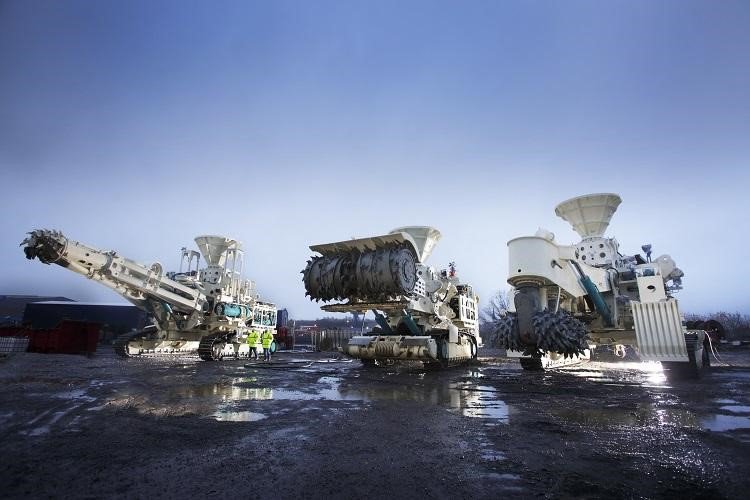
Nautilus Minerals
The full environmental consequences for this style of mining are unclear, however. The machines would likely generate a plume of sediment, for example. In the deep sea, 鈥渟edimentation rates are one to two millimeters per thousand years, so, if all of a sudden these deep sea organisms get a milliliter of sediment over a couple of days it will be an extreme [and potentially unrecoverable] stressor,鈥� said Deep-sea ecologist Andrew Sweetman, a professor at the Lyell Centre for Earth and Marine Science and Technology in Scotland. Just removing the nodules may have consequences. A recent University of Hawaii of the Clarion-Clipperton Zone with a remotely piloted vehicle documented a range of species, of which were entirely new to science. The study also found that these creatures seemed to congregate around nodules. 鈥淵ou will lose whatever you hit down there, which took millions of years to accrue,鈥� warned Daniel Dunn, a Duke University scientist who has worked to develop a conservation strategy for deep-sea mining. Recent surveys of 40-year-old exploration and mining sites, for example, have shown of some fauna.
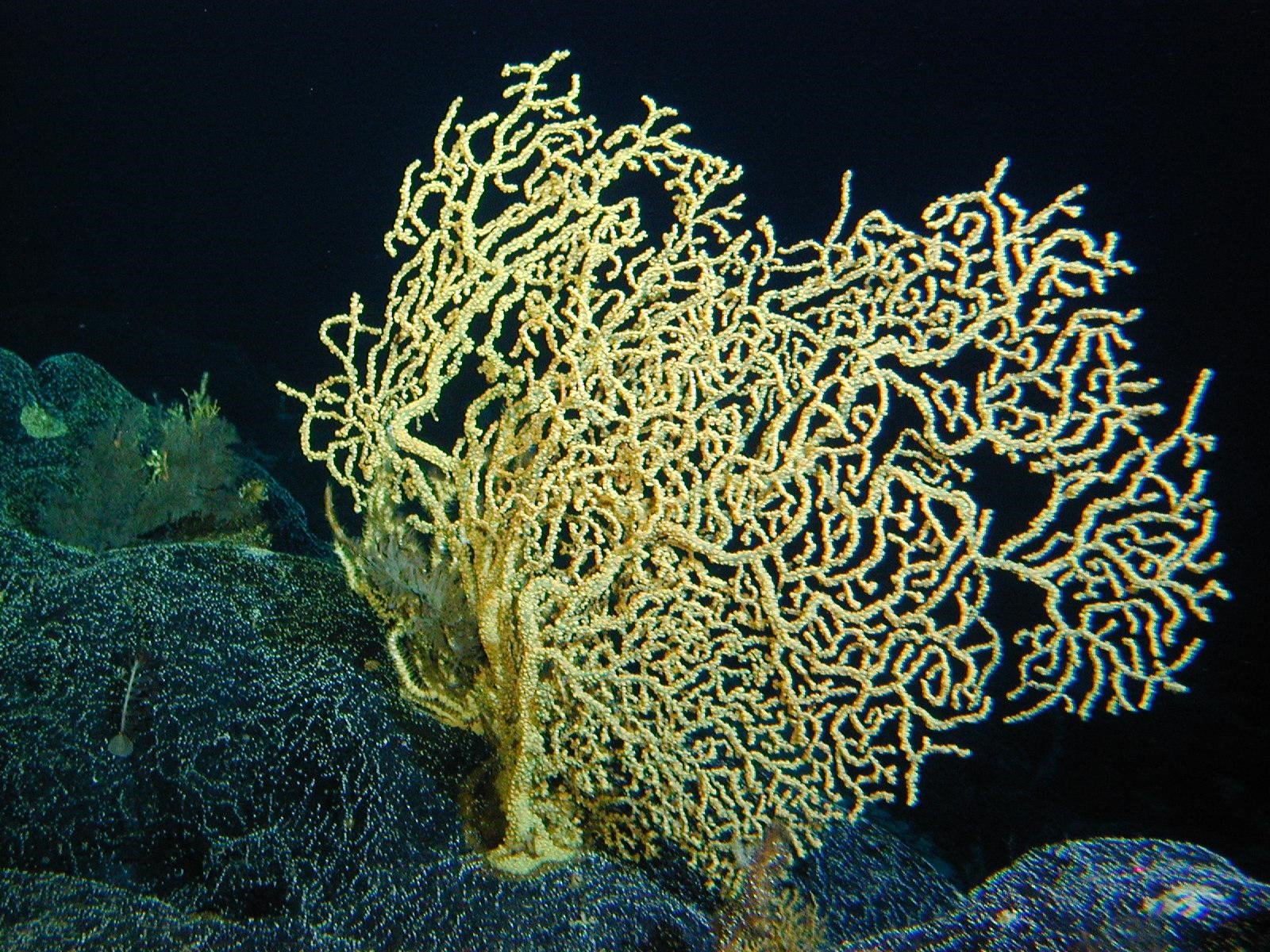
NOAA Hawaiian Undersea Research Lab
Although that oceans play an important role in , more recently, that microbial organisms in the deep ocean are part of that process. These microbes, it turns out, absorb about 鈥�200 million tons or 10 percent of the carbon dioxide absorbed by oceans every year,鈥� said Sweetman, a 鈥渃arbon sink鈥� that helps defray the consequences of global climate change. Yet, these microbes may not survive even small-scale disturbances.
When it comes to studying the effects of deep-sea mining, one thing is quite clear: Scientists are playing catch-up. Until recently, the seabed environment was as inaccessible to them as it was to mining companies. 鈥淲e need to know what species do and why they are important so we don't run the risk of losing them before we know we need them, whether that be for providing food, climate regulation, nutrient cycling, or other supporting services,鈥� warned Lisa Levin, a distinguished professor at Scripps Institution of Oceanography. According to Jon White, a retired Navy Rear Admiral who now leads the Consortium for Ocean Leadership, the global investment in ocean science is insufficient to answer such questions.
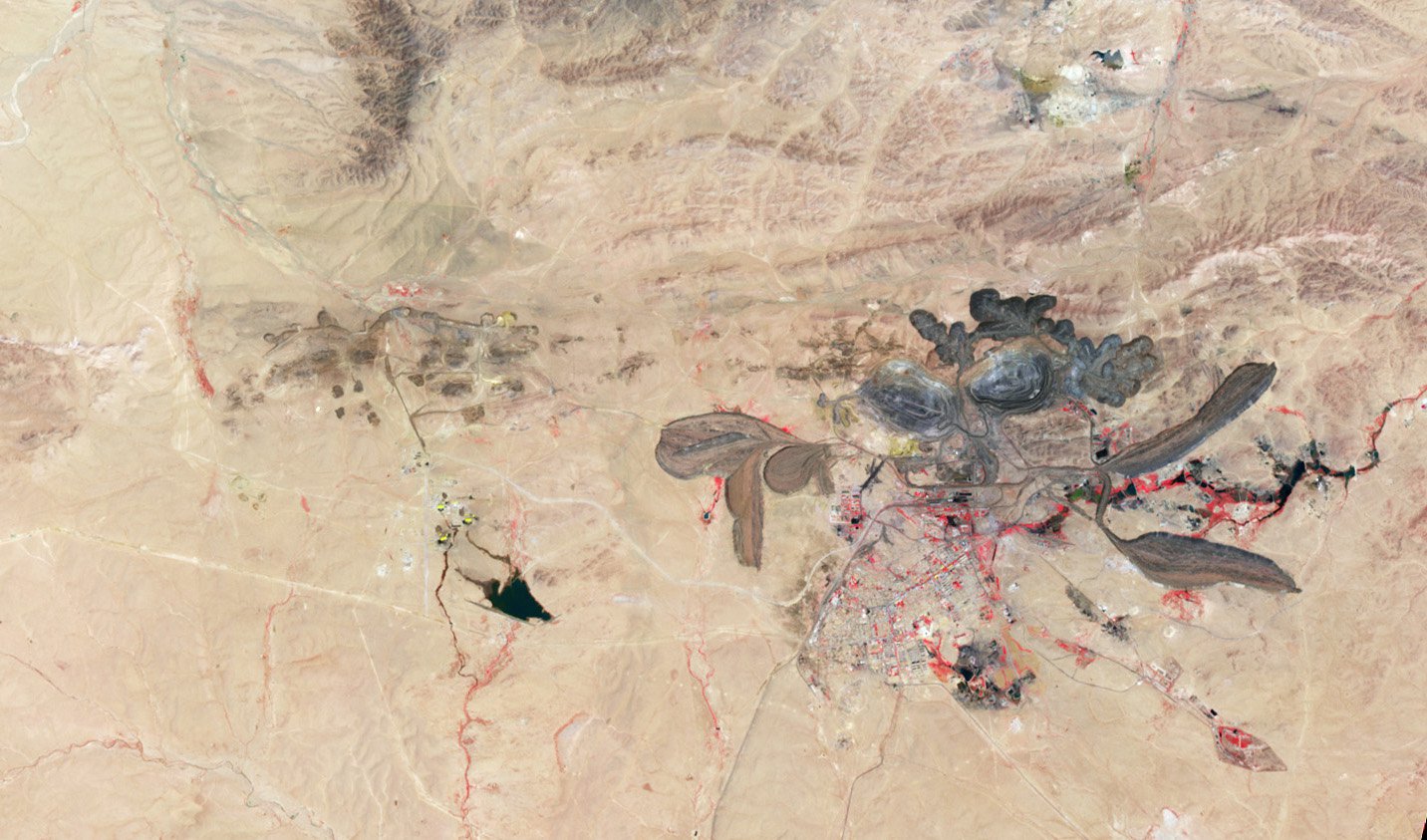
鈥淭here are environmental impacts,鈥� acknowledged USGS鈥檚 Hein, 鈥渁s there are with any mining.鈥� He pointed out that the single, now bankrupt rare-earth elements-producing terrestrial mine in the United States at Mountain Pass, California, has less than 1 percent of the heavy rare-earth element complement of the ore found on the deep ocean floor, which can have a concentration as high as 50 percent. Moreover, Mountain Pass, which the Trump administration is rumored to be considering for an infusion of federal funds, is still struggling with the legacy of a of 300,000 gallons of toxic waste. In other words, all mining is , including the noxious process of extracting minerals from raw ore.
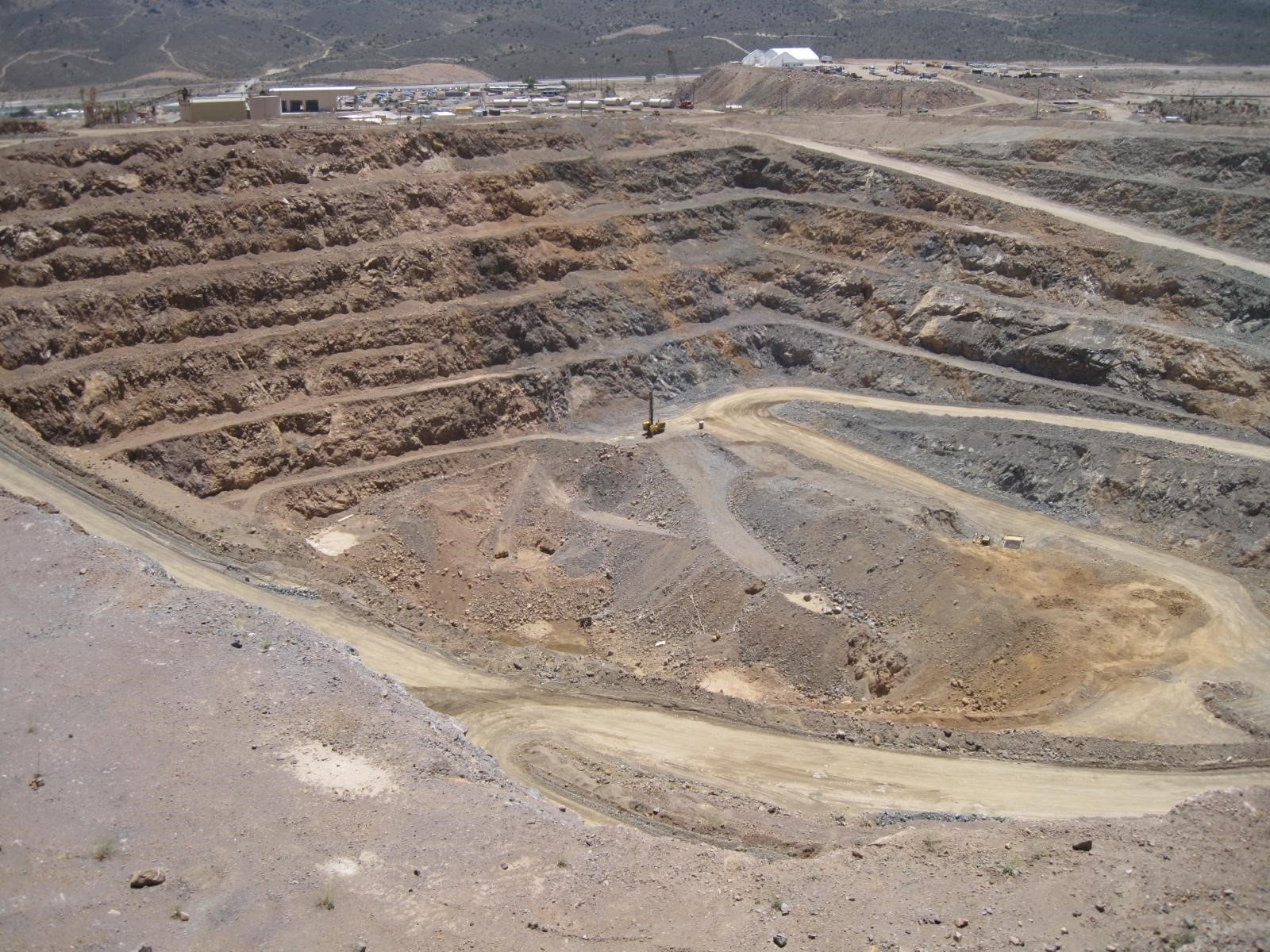
Bradley Van Gosen, U.S. Geological Survey
There are not currently any active mining operations in international waters, though there have been pilot projects inside the exclusive economic zones of Japan and Papua New Guinea. Little is known yet about the results of the off the coast of Okinawa at an extinct hydrothermal vent. Japanese that mineral-rich mud at another site inside the country鈥檚 territorial waters contains at least 1.2 million tons of rare-earth elements and yttrium, both of which China now almost exclusively produces. The company involved in the Papua New Guinea project, Nautilus Minerals, recently declared bankruptcy before mining actually commenced and is currently restructuring, possibly with Chinese partners. The Nautilus experience echoes a short burst of enthusiasm for ocean mining back in the 1970s and 1980s, according to the Consortium for Ocean Leadership's Jon White. 鈥淭hey could never get to any kind of reasonable return on investment,鈥� he noted. And while commodity prices for some critical minerals have risen considerably in the digital age, they are not consistently high enough to make these projects economic at this time, particularly as the projects break new ground. 鈥淚t鈥檚 always a challenge to be the first to do something on this scale,鈥� noted Nautilus Minerals in a written statement.
Scientist Daniel Dunn thinks, however, that will all change within a decade, an opinion that appears to be widely shared in the small community of deep-ocean experts. 鈥淪eafloor mining is inevitable,鈥� agreed Nautilus Minerals. So, the race has already started to secure future rights to mine for ocean minerals in international waters.

https://www.isa.org.jm/secretariat
The International Seabed Authority (ISA), a small, obscure bureaucracy in Jamaica, is the arbiter of those questions for more than 50 percent of the ocean floor. Charged by the 1982 United Nations Convention on the Law of the Sea (UNCLOS) with a vague mandate to 鈥渂enefit all humankind,鈥� the ISA oversees both the exploitation of deep-sea minerals and the environmental protection of the deep ocean, with the agency鈥檚 activities supported by revenue from licenses and member state dues. Some critics point out that housing responsibility for both oversight and licensing in one agency has proven in the past to be a mistake, citing the erstwhile U.S. Minerals Management Service, which in the 2010 Deepwater Horizon accident in the Gulf of Mexico. So far, a , elected by the states that are party to the ISA, has authorized only, spread across 22 countries, with China in the lead. The majority of the contracts concern polymetallic nodules in the Clarion-Clipperton Zone, though China is also pursuing sulfide deposits around hydrothermal vents and cobalt crusts on seamounts.
While applying for contracts through an international body is still a geopolitical competition in a sense, it has the potential to be far less bruising than a Cold War-style proxy fight for favor in the DRC and other mineral-rich nations. The United States, however, is not even in the ring for this particular competition: It is not a party to UNCLOS and therefore has no official representation at the ISA. Although support in the United States for the convention is widespread, particularly in , an implacable minority in the U.S. Senate opposed to the ISA鈥檚 鈥渃ollectivist, statist approach鈥� to royalties, as puts it, continues to block U.S. accession. There is, however, a loophole for private companies, which can bid on contracts through foreign subsidiaries, as Lockheed Martin has done in the Clarion-Clipperton Zone through the United Kingdom鈥檚 Seabed Resources. Even so, the recently testified that his company lacks 鈥渃lear, legal rights鈥� without U.S. accession to UNCLOS. On New Year鈥檚 Day 2019, the United States also officially withdrew from the United Nations Educational, Scientific, and Cultural Organization (UNESCO), which oversees the other major global coordinating body on oceans, the Intergovernmental Ocean Commission.
Rear Admiral White fears that the absence of U.S. leadership is consequential, citing China鈥檚 growing voice and influence. 鈥淲hy would we expect China to honor any scientific rules or principles put out by the international community?鈥� White asked, pointing to Chinese of a recent UN tribunal finding against their claims in the South China Sea. 鈥淭he United States not being at the table really weakens the rule of law,鈥� he emphasized. China also has a for protecting the environment and human health and safety in its domestic mines and global projects.
Although the ISA has only permitted exploration of the seabed to date, the somewhat secretive agency is set to pass a new mining code by the end of 2020, which will open the way for exploitation of seabed minerals. Even with the right regulations in place, which should include environmental management plans, impact assessments, and standards of liability for mining companies, actual mining is unlikely to happen any time soon, given the economic realities laid bare by Nautilus Minerals in Papua New Guinea. The licenses will have a 30-year lifespan, however, so it is in the interest of would-be concessionaires to secure them as soon as they become available.
If the ISA begins to issue these permits in 2020, that means they will be good until 2050, an ominous year for the world. The United Nations has said that must reach net zero by that year in order to avoid truly catastrophic climate change; success in meeting that goal will likely mean a sharp increase in the demand for critical minerals and inexorable pressure for deep-sea mining.
There is no free ride when it comes to modernity: The technologies driving the digital age and the energy transition require raw materials such as cobalt, and recovering and refining those materials inevitably has environmental and geopolitical consequences. In securing the best, least destructive supply, whether from the Democratic Republic of Congo or the deep ocean (or likely both), the international community should at least identify the trade-offs before they are made and the consequences before they are irrevocable. 鈥淲e are screwing with the planet in ways we鈥檝e never done before,鈥� warned the Consortium on Ocean Leadership鈥檚 White, 鈥渁nd we don鈥檛 get a second chance.鈥�
鈥淚t really is an opportunity,鈥� USGS鈥檚 Hein said of seabed mining. 鈥淚t is a new industry. It can be done right, or it can be done poorly.鈥�
Downloads
More 麻豆果冻传媒 the Authors

Rachel Zimmerman