The Basics
We鈥檙e Trying to Solve: Owning tasks
Target Audience: Housemates, couples
Ages: Adults
Category: Household chores, mental load
Estimated Time: Depends on the task
Difficulty Level: Easy – hard
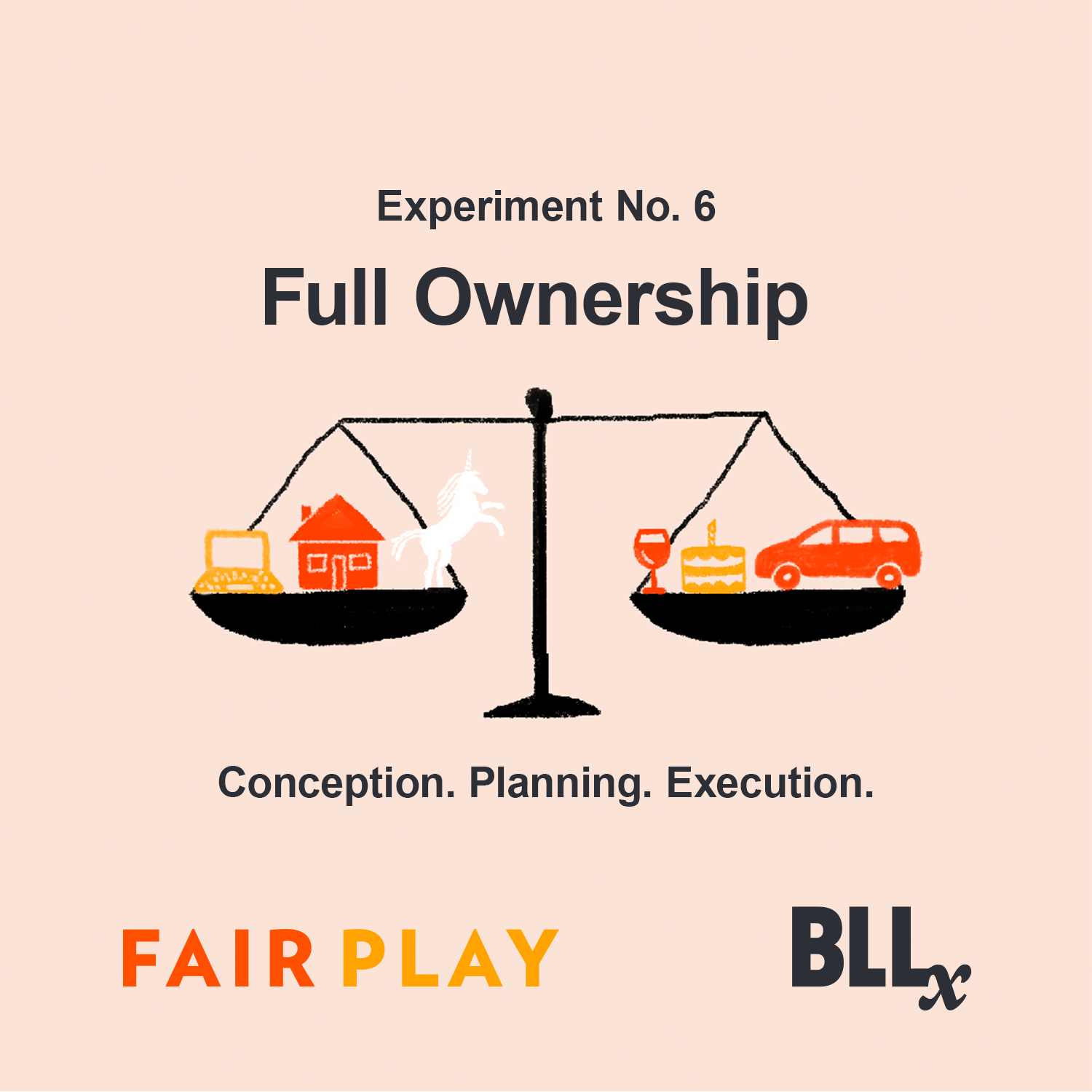
What is CPE? Conception. Planning. Execution. The three ingredients to fully owning a task.
This experiment is inspired and backed by the research of Eve Rodsky in her book, . Rodsky identifies RATs as a major mistake people make in attempting to offload some of their load onto their partner without giving them proper context for the task they鈥檙e being asked to do and without any real ownership over how it gets done. To avoid this, Rodsky applies something that works in her paid work: Instead of just asking an employee or coworker to execute on a task without ownership or context, give them the whole task and much earlier in the process. Let them fully own it by making sure they don鈥檛 just execute, they also 1) conceive of the necessary tasks to meet a goal, 2) plan how best to get them done before they 3) execute them. She calls this process CPE. Give it a try and let us know how this compares with the old RAT approach you may have taken to offloading tasks in the past.
Directions
- With your partner, identify a task or category of tasks you鈥檝e been hoping to hand off to lighten your load, but haven鈥檛 been able to do successfully yet. Maybe this is something routine like getting dinner on the table at night after a busy day at work. Or maybe it鈥檚 something that doesn鈥檛 come up as often but overwhelms you when it does, like getting birthday presents for your kids鈥� friends prior to their birthday parties. In the past, you might have involved your partner with a Randomly Assigned Task (or RAT). Running out the door for work, you might say, 鈥淗oney, could you start dinner before I get home tonight? The ingredients are in the fridge and the recipe is on the table.鈥� Or, 鈥淗oney, can you go to the store and pick up this new toy I鈥檝e circled in the catalogue?鈥� This leads to resentment鈥攏ot to mention mistakes in execution when you don鈥檛 have the same context. This time, we鈥檙e doing something different!
- Next, get on the same page with your partner about why this task needs to be done and what you鈥檙e trying to achieve with it. What values or goals surround the task you want to offload? Why is it important that it get done? Does your partner understand and agree that this is a valuable endeavor someone should do, and do they understand why you want them to do it? What would a successful completion of this task mean? If it鈥檚 dinner, would it just be getting something in the hungry stomachs of every family member? Will fast food fly? Or does this dinner need to be nutritious and hot? Does the birthday present need to be something you purchase or should it be something with more thought and work behind it from your kid? What are the standards that make sense for this task, given the values that lie behind it for you both? Now, you've said your piece. It's time for you to let this task go.
- Then, it鈥檚 time to hand over the full task, the C, P, and E of it. Your partner will now completely and entirely own this task鈥攖he Conception, Planning, and Execution of it. They won鈥檛 be picking up a gift you assigned to them anymore. It鈥檚 on them to 1) conceive. Know when friends鈥� birthday parties are taking place and recognize that a gift needs to be taken 2) plan far enough in advance to decide what gift to get and how to procure it. Then, they 3) execute by buying it, wrapping it, and making sure it finds its way to the party. Got it? Are you both ready? Great, now do it.
- Try it, then check in to reassess. Make a point to check in with your partner when it makes sense to revisit and assess the first cycle of CPE on a given goal. If it isn鈥檛 working, ask yourselves if you鈥檝e really given the task over entirely to the person holding it now. Is there more letting go to be done? Or is there more stepping up required? Finally, how did this feel compared with the traditional Random Assignment of Tasks? Can you take the CPE approach to another task this week?
If you鈥檝e still got questions about how to experiment with CPE in your household, don鈥檛 worry. Rodsky wrote a whole book on it! This is just one facet of the system she worked out with her husband and has tested with hundreds of other real families. Check it out and let us know what you think!
Connect With the Better Life Lab
Are you going to try this week鈥檚 experiment? Do you have a story about how you and your own family solved a problem with the work at home? Is there a specific challenge you鈥檝e been trying to tackle? Can this experiment be improved? Please let us know via this , at [email protected], or in our .
Be sure to also sign up for our biweekly newsletter!