
Experiment No. 30: Adult Homework鈥擬ake it a Group Project
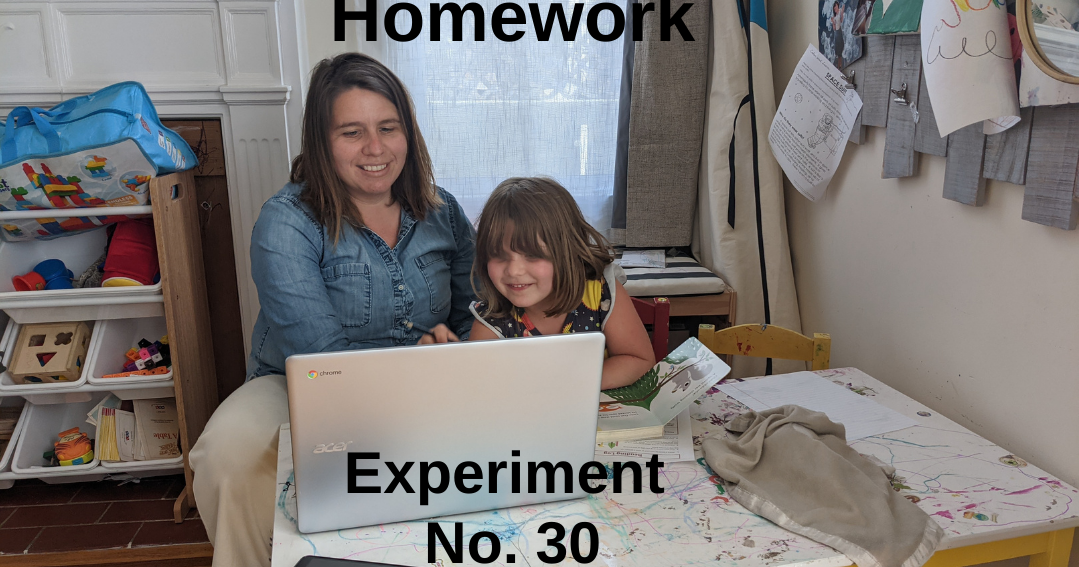
Adult life comes with a lot of paperwork. Even though many of us do our banking, taxes, and scheduling digitally, there are still a surprising amount of documents to review, forms to sign and notarize, and submission deadlines to memorize. The volume of paperwork, worksheets, and forms to complete mushrooms after becoming a parent. There are registration packets for childcare centers, schools and camps, medical forms for every activity, permission slips, emergency contact cards, sign-up apps for virtual school events, the FAFSA for college tuition loans, and that鈥檚 only a few examples. The work of completing all of the administrative tasks for a family and carrying the mental load of those tasks is too onerous for one person.
shows that women, especially working mothers, are the most likely partners to do the administrative work of running a family, including managing the family鈥檚 calendar, scheduling childrens鈥� appointments, managing finances, and registering children for school and extracurricular activities. For the purposes of this experiment, I call the administrative work of running a family 鈥渁dult homework.鈥� To create a more equitable division of labor when it comes to adult homework, I say, make it a group project!
The Basics
We鈥檙e Trying to Solve: The administrative burden of running a household falling on one person鈥攗sually Mom
Target Audience: Adults, Everyone
Category: Mental load
Estimated Time: 15-20 mins/week
Difficulty Level: Moderate with regular follow-up
Directions
- Get everyone together, discuss what needs to be done, and assign tasks.
– For the first adult homework meeting, set aside an hour and get everyone together. Perhaps include favorite snacks or beverages to make it fun. Make a list of all of the forms and documents that need to be completed along with their deadlines. Is the registration packet due next month? When is tax day again? already contains many adult homework items.
– Discuss the exact steps involved in completing each item. Does something need to be notarized? Does it require a doctor鈥檚 signature? Do we need to include a photo with the camp application? Noticing these details and saying them out loud makes everyone acknowledge and respect the hard work of life administration.
– After considering the details for each task, work as a group to assign a point person. Together, write down the deadline for each task. Some of these will be external deadlines (such as when a school form must be submitted) but some deadlines can be determined by the household (such as rescheduling an upcoming doctor鈥檚 appointment).
– Get kids involved whenever you can. This is easier said than done, so here's an example of my mom successfully getting me involved in life administration: When I was in sixth grade I got to pick an elective course. My mom presented me with the school registration card and I got to check the box next to the beginning band class. After that, I helped complete my registration paperwork every school year including my college applications. Kids can get involved in lots of ways, such as writing their names at the top of the form, sticking a stamp on an envelope, or listening to you read an online form out loud. This teaches children about life administration early and, over time, can reduce your workload. - Make deadlines visible and accessible
– A calendar is the perfect way to do this. Google Calendar, Outlook, and other software suites offer calendar solutions with built-in reminders and you may make your calendar visible to other users.
– A physical paper, chalk, or whiteboard calendar is a good option for kids or for a family trying to be less reliant on screens.
– , such as a sticky note with a drawing, may also be a useful reminder for young kids who are still learning to read a calendar or are visual learners who will respond better to visual rather than oral instruction. - Make the work visible and get it done together whenever possible.
– Schedule adult homework time. You and your partner and family can make a regular time to work on separate items or partner on one obligation, like sitting down and making the grocery list together, going through the stack of mail together, or doing research on a new dishwasher.
– Get a buddy. This can be a friend you meet with over Zoom and at an appointed time you work on separate projects together. Just like at the gym, having a buddy will hold you accountable and encourage you to get the work done. .
– Sit down with your kids and do your adult homework while they do their homework for school. They can鈥檛 not see you filling out forms or going through the mail if you鈥檙e sitting right next to them. - Gather at the end of the week and talk about how it went. Did the work feel fairer? Did everyone feel seen and involved? Did this lighten the load or just create another project to manage? If it felt like more work, what needs to change?
An organizational calendar made by Kate鈥檚 daughter.
Other Resources
- – Tips on how to get life admin done
Connect With the Better Life Lab
Are you going to try this week鈥檚 experiment? Do you have a story about how you and your own family solved a problem with the work at home? Is there a specific challenge you鈥檝e been trying to tackle? Please let us know via this , at [email protected], in our .
Be sure to also sign up for our biweekly newsletter!
This experiment was written by , a musician and ten-year veteran of the entertainment industry. She is a member of the International Ticketing Association (INTIX) and a student in the data science program at UCLA Extension. Kate lives in Los Angeles and captures her own struggle to make music while parenting in her blog.
Issues
Programs/Projects/Initiatives
Related

How to Share the Work of Cooking And Build Community

Experiment No. 37: Food Director for a Week