Haley Swenson
Senior Writer and Researcher, Better Life Lab
We鈥檙e Trying to Solve: The unequal work of rebalancing the load
Target Audience: The whole household
Ages: 3 and up
Category: Mental load
Estimated Time: 15 minutes
Difficulty Level: Easy
We asked you to take a moment to 聽with your household on your progress in sharing the load so far and offer us some feedback, and you delivered!聽
As beta testers, you鈥檙e in the critical position to give us feedback about what鈥檚 working and what isn鈥檛 to help us build a better and more useful tool to nudge equality on the home front. One of our testers had a recommendation so critical to the project that we wanted to put it into action right away! It鈥檚 the inspiration for this week鈥檚 experiment. The tester wrote:
This [BLLx] email really needs to go to all family members individually. When only one person receives it, the responsibility to share the email, ask the other people to read it, print it out for others, start the conversation, etc. all falls on the same person (normally the one trying to foster change). Finding a way to have families choose to sign up others so that one person doesn't feel like they are constantly "nagging" others to read, do something would be helpful.
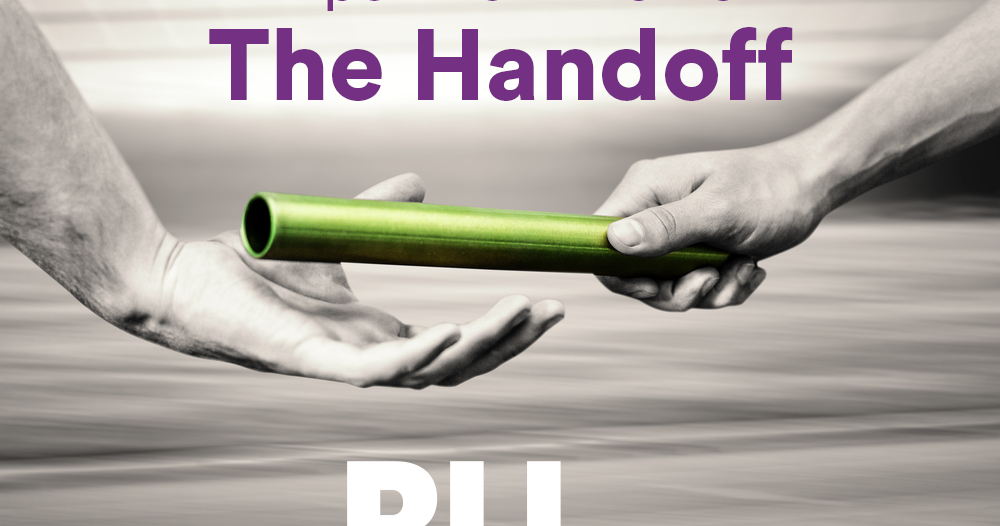
Our beta tester feedback was right: It鈥檚 time to to receive our emails every week. The burden of thinking about these experiments and asking everyone to try them out cannot fall on one person鈥檚 shoulders. But you probably don鈥檛 want to sign them up covertly, without asking them. Ideally, they should sign themselves up and initiate following through with the experiments, not just because you鈥檝e asked them to, but because they see experimenting with the division of labor as important and that taking that burden off one person 鈥� you 鈥� is important. That鈥檚 the goal any time you decide to handoff a piece of the mental load. It鈥檚 one thing to write up a chore chart and reassign physical tasks, but handing off the things you have to think about can seem far more complicated. In reality, they鈥檙e not so different. Here鈥檚 how you can begin.
Are you going to try this week鈥檚 experiment? Do you have a story about how you and your own family solved a problem with the work at home? Is there a specific challenge you鈥檝e been trying to tackle? Can this experiment be improved? Please let us know via this , at [email protected], or in our .
Be sure to also sign up for our biweekly newsletter!
Senior Writer and Researcher, Better Life Lab