Leslie Villegas
Senior Policy Analyst, Education Policy
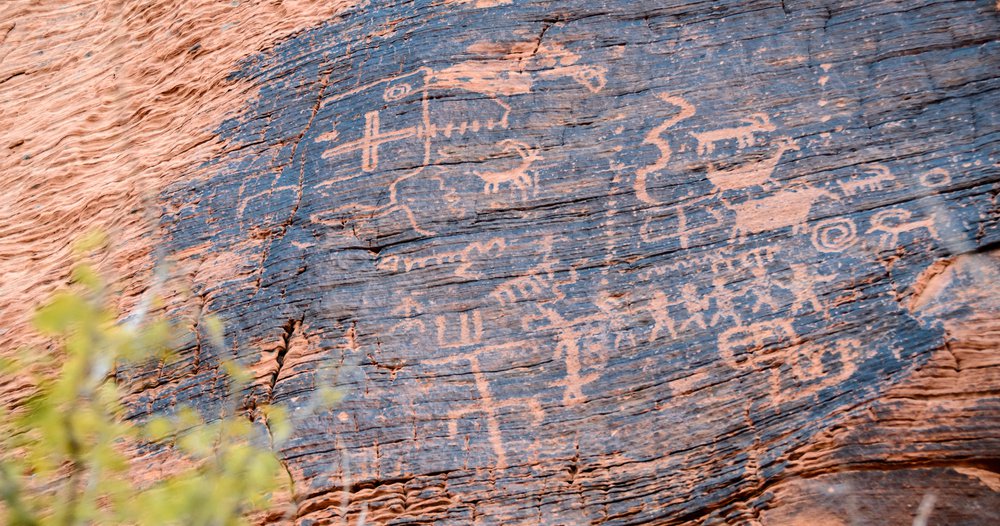
Myth: All English learners come from an immigrant background and speak Spanish.
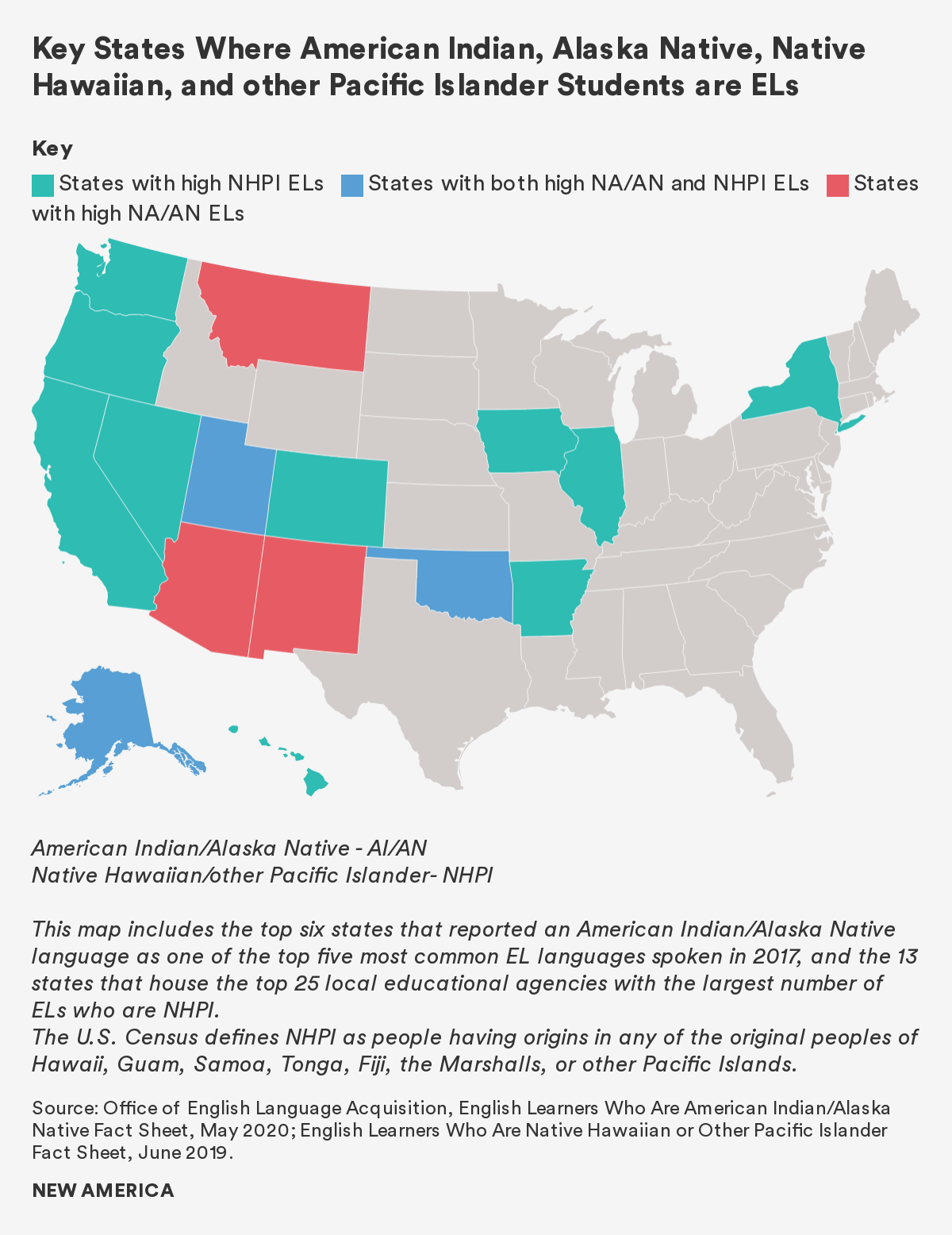
Reality: In 2017, six states identified an American Indian or Native Alaskan language as one of the top five languages spoken by English learners.
Last month the US celebrated Native American Heritage as it has done . While the title of the proclamation has been tweaked over time, recent embodiments have used 鈥楴ative American鈥� as an umbrella to describe various Indigenous tribes and communities, not just American Indians. Underneath this umbrella, however, stand an array of diverse cultures, languages, and experiences worth understanding in their own right and called by their rightful name, be it Native American, Alaska Native, First Americans, Native Hawaiians, American Indians, First Nations, or Pacific Islanders, to name a few. At present there are tribes, , and an innumerable amount of tribal communities still across the country, each with their own language and truth to be shared with the world.
Certainly, one month is not enough time to sufficiently explore the breadth and depth of Native people. Indeed, 14 states and more than 130 cities have in place of, or in addition to, Columbus Day as an additional celebration. These annual dedications to the heritage and contributions of Native communities in the US provides a platform for those with Indigenous backgrounds to with society writ-large. And while each has a unique history that is often and , these diverse communities are united by an underappreciated reality that many Indigenous children experience in the education system: their classification as English learners (ELs).
Nationally, of American Indian and Alaska Natives, and of Pacific Islander students are ELs. A closer look at the data reveals that while American Indian and Alaska Natives, as well as Native Hawaiian and other Pacific Islander EL populations are distributed more sporadically across the US, they can be found in high concentrations in certain states and local education agencies (LEAs). For example, in Montana , and only account for 53 percent of ELs who are Native Hawaiian and other Pacific Islander. Among these LEAs, the Hawaii Department of Education enrolls the highest number of Native Hawaiian and other Pacific Islander ELs at , and in Dubuque Community School District in Iowa, Native Hawaiian and other Pacific Islander students represent the highest share at .
These students don鈥檛 fit into the conventional EL profile, that is, students who are adding English to another language spoken at home, and therefore can be . Unlike other ELs, Native American ELs, , do not necessarily speak their heritage language, but also haven鈥檛 necessarily developed their academic English skills enough to support content learning. As with other ELs whose language is influenced by the immigrant background of their parents, Native American ELs have had their English acquisition who may have been ELs themselves. This present-day phenomenon is rooted in Native people鈥檚 historical experience with English acquisition where, for over , discriminatory education practices and federal assimilation policies intended to strip Native communities of their language and culture.
Until 1978 when the , it was all-too-common to remove Native children from their homes and communities, and put them up for adoption or foster care with predominantly white families. Many children were also forced to aimed at 鈥榗ivilizing鈥� native populations by forcing them to assimilate to the 鈥楢merican鈥� way of life. During this time, the in the US was to discourage the use of their home language, and withhold them from grade-level monolingual classrooms until they reached certain levels of English proficiency鈥攁 reality not too dissimilar from what ELs with an immigrant background experience today. Until the ICWA was passed, however, Native American parents did not have to their children鈥檚 placement in off-reservation schools.
Though we now know that supporting the development of students鈥� home language can , these often instruction decisions have had cross-generational effects as Native students were continuously denied the support they needed to allow them to . The long-term neglect of education for Native people has led to the predominant use of non-standard English among Native communities, a pervasive reality that has been brought to light by Native educators, administrators, and organizations. Unfortunately, bridging EL services specifically designed for this population are . Given the continual devaluation of native language and culture, and the in Native education, it should not come as a surprise that are at risk of extinction.
All hope is not lost though as efforts to reinvigorate Native language education have sprouted across the country. The , for example, which incentivizes developing and enhancing capacity to provide effective instruction and support to Native American ELs, awarded roughly in 2018. The following year, Congress reauthorized the , which is specifically geared towards immersion programs that strengthen American Indian, Alaska Native, and Native Hawaiian languages.
In the classroom, 鈥攁 Hawaiian language immersion program in K-12鈥攄eliver instruction exclusively in the Hawaiian language with English introduced as its own subject in grade 5. These schools, which were, now span a network of 23 public schools (including six charters). On the academic side, the University of New Mexico recently launched the , a new research lab focused on how children acquire languages such as Spanish and other underrepresented Indigenous languages such as Navajo.
This year marked the 30th anniversary of the , the landmark legislation which formally overhauled federal policies that suppressed the use of Native American languages, and reaffirmed the right of Native American children to develop and be educated in their Native language. To commemorate the event, Senators from New Mexico and Alaska introduced the . This directs the president to review federal compliance with NALA and improve inter-agency coordination between agencies responsible for preserving Native American languages. In its , the act would require the Health and Human Services Secretary to survey Native language use and language revitalization programs every five years. These surveys are intended to function as 鈥樷�� that will allow Native communities and Congress to funnel federal resources to any unmet program needs identified through the survey.
This bi-partisan support for Native language development, especially during such a , is a positive step forward in filling the void left behind by the historical oppression, and subjugation of Native people, culture, and languages.
Enjoy what you read? Subscribe to our newsletter to receive updates on what鈥檚 new in Education Policy!
Senior Policy Analyst, Education Policy