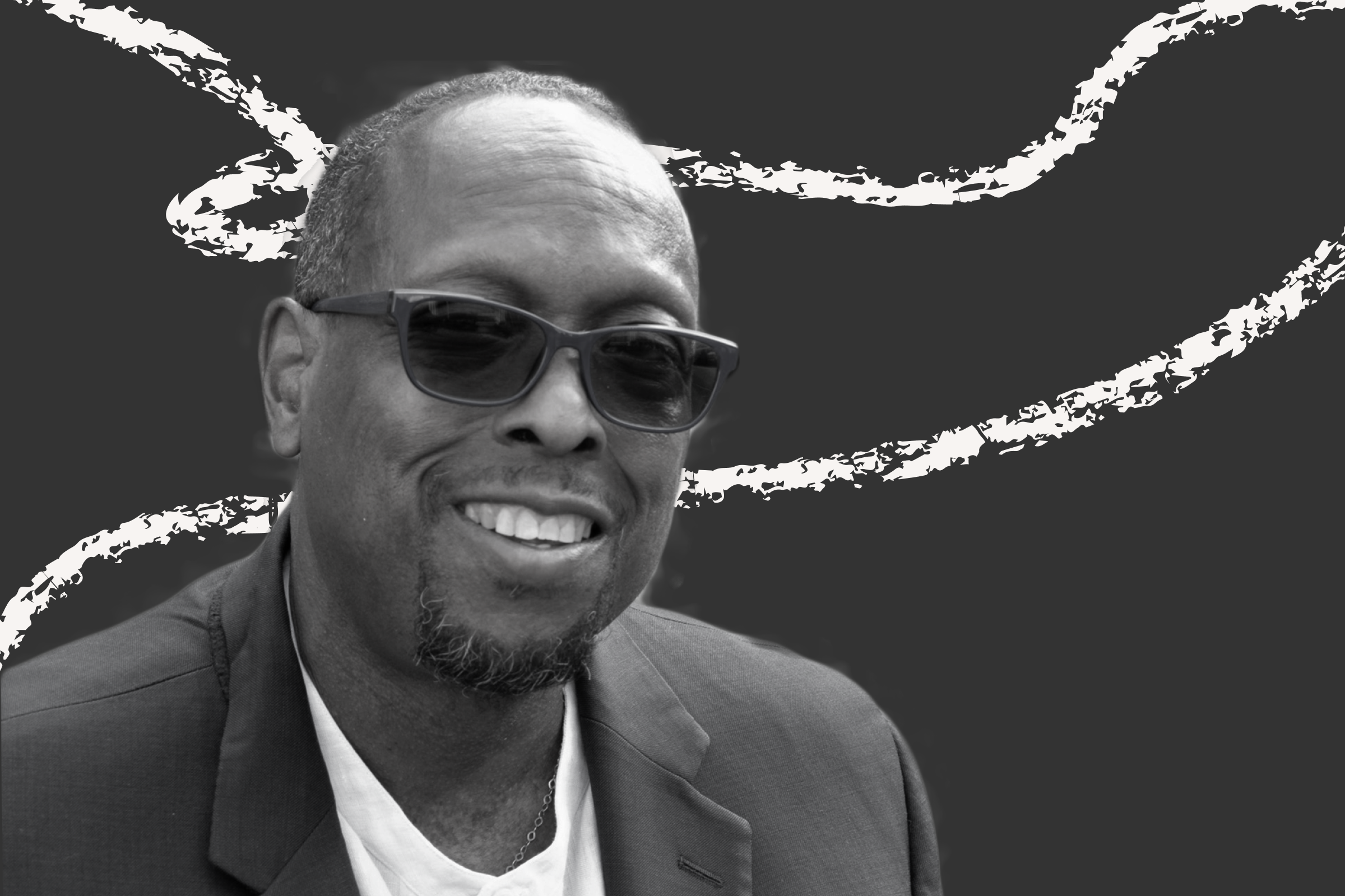
Ensuring that I am taken seriously鈥搕hat is my biggest challenge.
An Interview with Dr. Fabiana Perera on Latina Representation and Barriers to Inclusion in Foreign Policy and National Security
Dr. Fabiana Sofia Perera is an Assistant Professor at the William J. Perry Center for Hemispheric Defense Studies. Fabiana has experience working in the public and private sectors and prior to joining the Perry Center, worked as a Rosenthal Fellow at the Office of the Secretary of Defense, Under Secretary for Policy, Western Hemisphere Affairs.
Dr. Perera recently wrote a piece titled "The Only Latina in the Room," in which she discusses the need for Latina representation in the federal government and specifically in foreign policy and national security.
#OurVoicesInNatSec amplifies the voices of experts of color in the foreign policy and national security space, while shining a light on the barriers they face, the resources that help them navigate the space, and the cultural and structural changes that must be made to ensure their inclusion and thriving. These pieces seek to provide knowledge and insight to those entering the field and those seeking to make it more equitable.
The Better Life Lab and the Diversity in National Security Initiative sat down with Dr. Fabiana Perera as part of the #OurVoicesInNatSec profile series. Our conversation with Dr. Perera has been edited and condensed for clarity.
How does diversity and representation inform how you think about your role as an academic in the national security and foreign policy space?
Meeting young Latinas, which I often do through my professorship at George Washington University and Georgetown University, inspires me to grow and persevere. I try to think about how young people and women of color perceive me. Am I doing something that sets a good example for them? Am I standing up for myself and including them as much as I can? I think about representation all the time.
In all my many years of schooling, I had only one Latino professor鈥搈aybe two鈥揳nd from what I can recall, I only had one Latina professor. When I鈥檓 in front of the classroom teaching courses, I try to remember what I look like. My position as an academic tells younger students of color and women of color, 鈥淵ou can be anything you want, up to and including a professor, and beyond. You can be better things than I am.鈥�
This semester, I鈥檓 teaching Latin American Politics at George Washington University (GW) as an adjunct professor in addition to my job as Assistant Professor at the William J Perry Center for Hemispheric Defense Studies. At GW, at least one in five of my students is Latino. Not only do they see me as a Latina professor, but I also have the opportunity to tell them about the countries their families came from, perhaps in a way they may never have experienced. They may not know anything about where their families originated or have only heard their abuela talk about it. Teaching is another vehicle for representation and one that I try to remain mindful of.
What has been your biggest challenge as a Latina navigating the national security and foreign policy space?
Trying to ensure that I am taken seriously鈥搕hat鈥檚 my biggest challenge. For me, it starts with my name. When I first introduce myself, I鈥檓 sometimes nervous or speak quickly; often, the other person is not expecting my name to be Fabiana, neither uncommon nor strange in Spanish. When I say 鈥淧erera,鈥� people respond, 鈥淗uh鈥� and sometimes call me by the wrong name throughout an entire meeting. It鈥檚 frustrating and creates a roadblock to a proper introduction.
I鈥檓 happy to speak more slowly so that people can understand me, but I think we need more intentional and sustained efforts to promote cultural competency on all sides. How do we approach someone when we don鈥檛 understand their name? What do we do? How do we remember their names and remain open to the fact that not everyone鈥檚 name is Annie? I don鈥檛 think there鈥檚 a parallel, ongoing conversation about the need for adjustment on the other side.
Another roadblock arises when I choose to express myself authentically. I don鈥檛 think people have exposure to or have seen what I consider the Latina way of expressing oneself. For me, the way I express myself involves talking with my hands, including words in Spanish if they are the most appropriate, and pronouncing words in Spanish if they were originally in that language. In my experience, I think people have equated my way of expression with a lack of knowledge or preparation, in comparison to more 鈥渕easured鈥� ways of speaking that use fewer idioms and cultural references unfamiliar to predominantly white spaces and white-dominant culture. People don鈥檛 see it as professional.
How have you navigated these challenges in this space as a person of color?
I have had to build my confidence throughout my career. Getting a PhD helped me feel like I really belonged in this space. As a woman of color, a first generation American, and someone with no immediate family in this country, who went to a small, public regional university, I needed more education to be taken seriously in these spaces. When I finished my PhD, someone said to me, 鈥淐ongratulations, now you鈥檙e at the same level as a white man with a bachelor's degree.鈥� To me, that statement confirmed that yes, if I wanted to apply for the same jobs that someone could have gotten straight out of college, then I needed a PhD. People don鈥檛 always introduce me as a doctor, but having the degree does help and gives me more confidence as well.
What would you like to see change to create a substantively and sustainably more diverse and inclusive national security space?
First off, I would like to be in meetings with fewer Brians. I鈥檝e been in more than one meeting where I saw more men named Brian than Latinas. I understand the coincidence, but at the same time鈥揾ow does this happen? When we鈥檙e putting meetings together, we have to really look at who we invite. This has less to do with filling a quota, and more to do with considering who we include and exclude in these meetings. Do we overlook people because we can鈥檛 pronounce their names, or don鈥檛 remember which office they work with, or think they seem too young? We have to pause for one second, look at these invite lists, and think about who is and who is not present.
Second, we must think about how to make the foreign policy and national security pipeline more accessible; diversity oriented programs should pay participants. People can鈥檛 live and work in a city like D.C. without a source of income. In this space, individuals with internship experience get job preferences, but so many people can鈥檛 afford to take unpaid positions because they have responsibilities, especially individuals most underrepresented: Black, Latina, Indigenous, people of color, first generation college students, and first generation Americans. They can鈥檛 afford to make no money while living in a city. That simply doesn鈥檛 make any sense and something has to change.
What advice or knowledge would you like to pass onto the next generation of national security experts of color?
Accept any help that someone offers you鈥揳lways say yes. From my experience, in the Latino community, people are very reluctant to seek help and very much want to be doers and self-starters and self-sufficient as much as possible; it鈥檚 part of our culture. Even as we help others, we鈥檙e unwilling to accept help for ourselves. If your professors or organizations like Diversity in National Security Network (DINSN), which exist to support Latinas in this space, offer assistance, accept it because you鈥檙e going to need it. Getting into any kind of position or school in international affairs remains very very competitive but you will find people eager to help.
The views expressed in this article do not necessarily reflect those of the Center for Hemispheric Defense Studies, National Defense University, or the U.S. Government.
More 麻豆果冻传媒 Dr. Fabiana Perera
Dr. Perera holds an MA in Latin American Studies from Georgetown University and earned a PhD in Political Science from The George Washington University. For her doctorate, Perera completed fieldwork in Venezuela and Ecuador.
Perera has presented her research at the annual meetings of the American Political Science Association and the Latin American Studies Association. Her research and analysis have appeared in numerous publications including The Washington Post, CNN.com, and War on the Rocks.
You can learn more about her . Follow her on Twitter @fabiana_sofia.
More 麻豆果冻传媒 the Authors

Jahdziah St. Julien
Research Associate, Better Life Lab
Issues
Programs/Projects/Initiatives
Related
America Has A Black Maternal Health Problem

Free: How Racism is Pushing Some Black Women to Choose Not to Have Children
Women of Color Caregivers Face Workplace Barriers at Every Turn