Sabia Prescott
Policy Analyst, Education Policy
During her confirmation hearing for Secretary of Education, Betsy DeVos wavered noncommittally on a number of key issues, not the least of which her stance on LGBT rights. When asked about her family鈥檚 frequent and considerable donations to anti-LGBT groups, DeVos noticeably dodged the question by describing her belief in 鈥渢he innate value of every single human being.鈥� When senators alluded to her parents鈥� to conversion therapy programs and religious rights organizations, DeVos was quick to distance herself from her family鈥檚 actions.
In contrast with this record, the New York Times accounts of her past interactions with the LGBT community聽鈥斅燼ssisting family friends with adoption and attending a wedding ceremony聽鈥斅燼ctions that would seem to illustrate her acceptance of LGBT people. But these actions were taken out of the public eye so as not to clash with her religious conservative family. Moreover, having helped friends, however well-intentioned, is no indication that she will publically advocate for LGBT students and families while Secretary.
During the hearing, she of her involvement in anti-LGBT organizations, but she did not say outright that she supports LGBT students. She has never advocated for LGBT students, she has never fought for equity in schools, and before it was convenient, she had never distanced herself from her family鈥檚 ties to .
With rights and protections in the first few days of the Trump administration, it鈥檚 clear that it will take more than laws and policies that can be repealed by future administrations to achieve equity. It will take strong public advocates in and out of the Department and genuine changes in understanding of LGBT people by both policymakers and the public聽鈥斅燾hanges DeVos is unlikely to champion.
It doesn鈥檛 matter if she can get out of being called anti-LGBT on a technicality. If DeVos does not genuinely want to make a difference for all LGBT students and families, she will be helping to maintain a system that keeps them at a disadvantage.
But the shift toward equality is bigger than one politician. In order for any genuine change in attitude toward LGBT people to occur, either in policymakers or the general public, there must be an opportunity to learn about LGBT issues from a young age. To dissolve ignorance of diverse identities, there must be a chance to be educated about them聽鈥斅燼n inclusive curriculum to teach about the humanity and histories of LGBT identities in a way that fosters understanding and acceptance.
Here DeVos鈥� situation highlights an important catch-22: equity for LGBT students cannot happen without an inclusive curriculum, which itself cannot happen without policymakers who have been educated enough to have a real desire to make change.
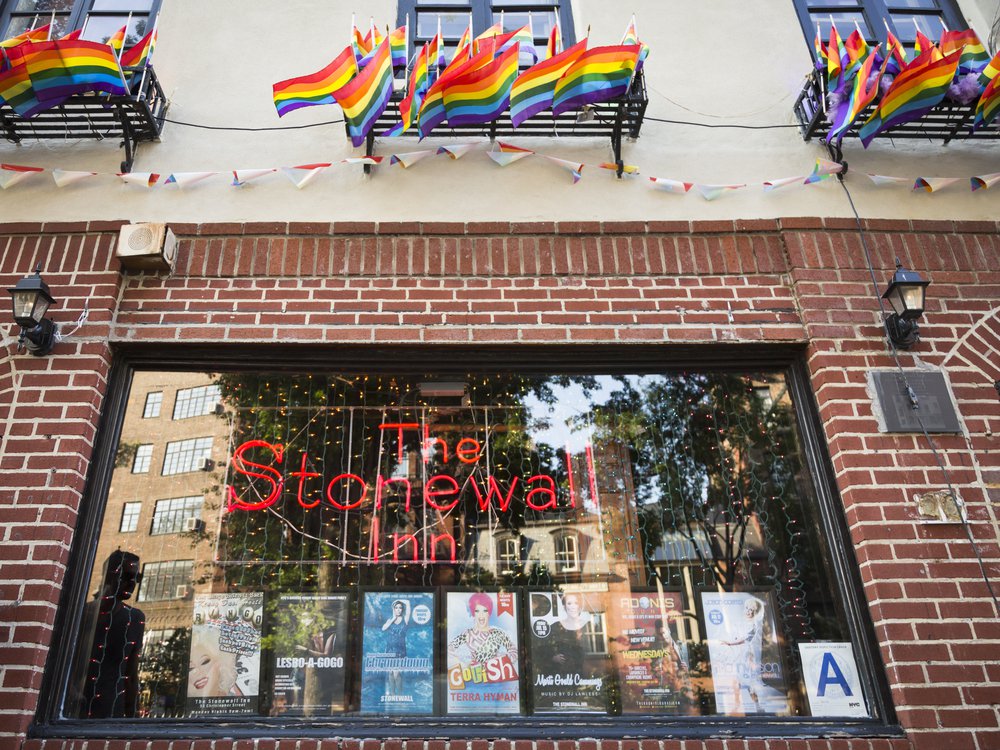
An inclusive curriculum is one that teaches about the contributions of historical figures within the socio-political context of those figures鈥� identities. It鈥檚 one that teaches about how LGBT identities change over time and what role they have played in social movements and political events. It is not a way to force students to embrace diverse cultural groups, but a way to teach factually about lived realities that have helped shape the social world as it is today.
To be sure, an inclusive curriculum is a necessary but not sufficient tool for advancing equitable opportunity. It cannot be said that learning from one invariably results in genuine acceptance of LGBT people and therefore in a desire to fight for them. is contribute to a safer school environment for all students, engage LGBT students by allowing them to see themselves reflected in the material, and reinforce acceptance among students and teachers. An inclusive curriculum can help foster an environment that itself creates opportunities for students to engage with and understand each other.
In some instances, safe school policies, such as nondiscrimination laws, may be a necessary first step in the process toward building a school environment ready to implement an inclusive curriculum. It may be the personal connection between LGBT and non-LGBT students that a safe environment allows that fosters acceptance and understanding. But as DeVos鈥� record proves, first-degree connections alone do not always result in the genuine acceptance necessary to break the cycle.
Soon, DeVos will join an administration that is invested in repealing the rights of LGBT students. She will become part of a system in which these students are four times more likely than their straight peers to experience bullying and twice as likely to attempt suicide. Her ability to temporarily divest from her family鈥檚 history is not a guarantee that she will favor equitable opportunities for students, but rather an attempt to win the vote despite her anti-LGBT stance.
Her private and passive acceptance is as good as public opposition. If she is not actively and publicly fighting for LGBT students and families, she is fighting against them.
Policy Analyst, Education Policy