
Shalin Jyotishi
Founder and Director, Future of Work and Innovation Economy Initiative
Miami Dade College鈥檚 Antonio Delgado addresses how community colleges can anticipate opportunities, mitigate risk, and expand equitable pathways relating to emerging tech jobs of the future.
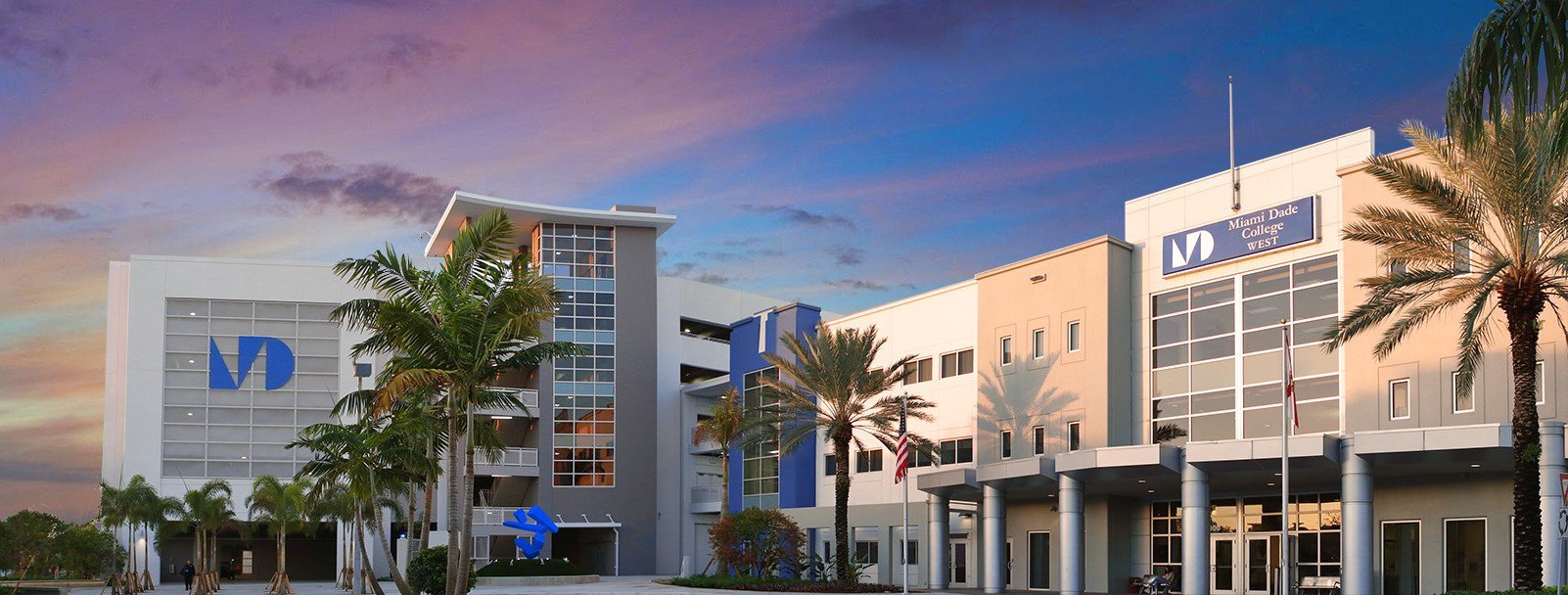
To demystify how community colleges can anticipate, mitigate risk, and expand equitable pathways to the Future of Work, Shalin Jyotishi launched a new article series. The inaugural piece features insights Miami Dade College's Antonio Delgado
Community colleges across the nation are creating both degree-based education opportunities for diverse learners to gain access to emerging STEM jobs in up-and-coming industries born out of autonomous vehicles, , advanced manufacturing, , and, yes, even .
But training for jobs that are just beginning to come into existence is tough work.
On top of the usual challenges associated with creating high-quality workforce programs, community college leaders must work closely with employers, the local, state, and federal governments, tech-based economic development entities, universities, and across the college internally to:
To demystify how community colleges can effectively expand equitable pathways to the Future of Work, I鈥檓 interviewing leaders from the field who have launched community college-level programs that lead to emerging jobs. Today鈥檚 spotlight is with 鈥檚 Vice President for Innovation and Technology Partnerships, (). His responses have been edited for length and clarity.
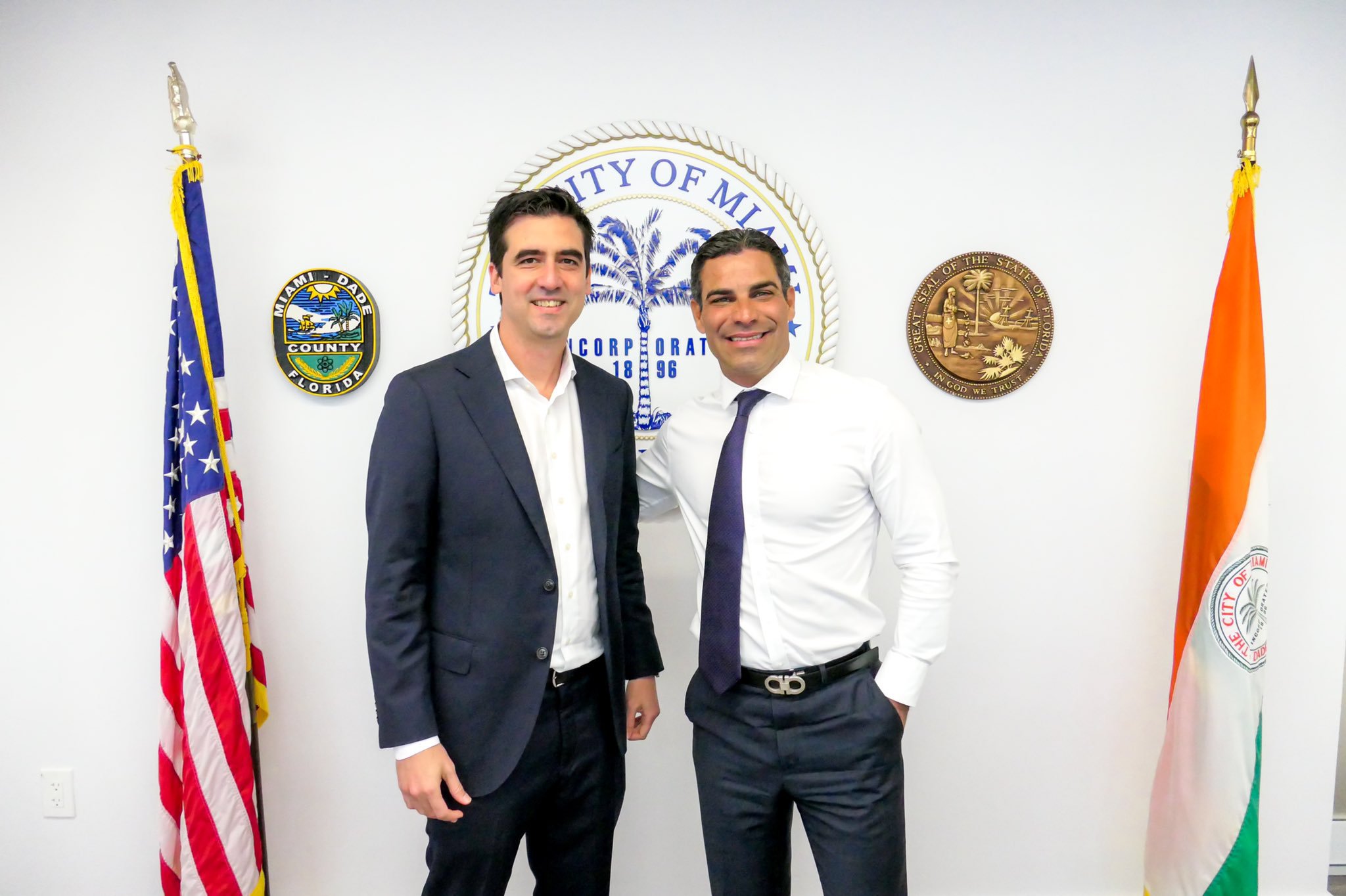
My role was created to harness the growth of the Miami Tech ecosystem and strengthen the College鈥檚 presence as a leader in tech talent development. I work with leading tech companies, local employers, government agencies, and college staff and faculty to prepare our students for the tech jobs of today and the future. These collaborations include integrating emerging technology opportunities into our curricula, upskilling faculty, and supporting the students鈥� pipeline into the tech workforce. I also serve as Senior Advisor in Tech Talent Development for City of Miami Mayor Francis Suarez to ensure alignment with the region鈥檚 needs.
Our most popular emerging technologies programs are in cloud computing, data analytics, cybersecurity and electric vehicles. Our are offered as a stackable credential pathway that allows students to earn a credit certificate, an associate鈥檚 degree, and a bachelor鈥檚 degree in eight months, two years and four years respectively. Our and include associate鈥檚 and bachelor鈥檚 degrees in both areas, and non-credit continuing education courses that prepare students for relevant industry certifications. Our is a non-degree program that leads into employment with as Tesla Service Technicians.

There are three main elements that have helped establish MDC as a player in the local innovation economy. First, the leadership of the college鈥檚 president to create an institutional structure and strategic plan that are 100 percent connected with the local innovation ecosystem鈥檚 needs.
Second, having faculty willing to get out of their comfort zone to reinvent themselves according to the latest skills that employers are demanding. We are very fortunate to have faculty who are constantly seeking professional development opportunities that prepare them to get our students certified on the latest technologies.
Finally, the development of physical and virtual spaces that connect our students and faculty with employers and members of the ecosystem. Examples include the , the , the , and the .

Our emerging tech partners include (AWS), , , , , and Intel. The collaboration with AWS allowed our faculty to receive training in cloud computing, develop the first cloud degree in the state of Florida, certify over 300 students over the last 3 years, and get graduates on a pathway to high-paying jobs, including jobs at AWS itself.
We also have with Miami-Dade County and the City of Miami. As part of those strategic alliances, we received from local government with a matching of another $7 million from a private foundation to expand the .
Finally, we partner with universities by creating articulation agreements including our 4+1 cybersecurity pathway with the and the 4+1 pathway in data analytics with .

One of the risks of creating programs in emerging technologies is the lack of job opportunities or entry-level roles that might exist locally. Sometimes colleges have to lead the way in bringing new technology programs to the region for local companies to follow and create new roles.
For example, once MDC it helped recruit and grow the industry in the area. With data analytics, it wasn鈥檛 until was created that local employers realized they didn鈥檛 need graduate degree holders to fill their labor needs. Other examples include our leading up to applied AI specialist roles.
The only way to be successful in those cases is by working very closely with local companies to make sure there is co-investment. At MDC, we mitigate the risk by creating an advisory committee with local and national leaders for every new program that we create. The national leading companies in the field provide content, equipment, software, and train the trainer opportunities that allow faculty to stay connected with the latest trends in tech. The local companies bring the regional reality to the table and are oftentimes direct employers of our graduates. The combined approach guarantees the relevancy of the program and the local job opportunities.
is a Senior Policy Analyst on Education and Labor at 麻豆果冻传媒, a Fellow in AI with the Center for the Fourth Industrial Revolution at the World Economic Forum, and a Visiting Scholar in Science & Technology Policy at the American Association for the Advancement of Science (AAAS). He is on Twitter
Additional Recommended Readings
Enjoy what you read? Subscribe to our newsletter to receive updates on what鈥檚 new in Education Policy!
Founder and Director, Future of Work and Innovation Economy Initiative


