$3B Department of Commerce initiative has big workforce implications
Announced in July, the Investing in America's Communities funding opportunities emphasize worker equity and job quality in regional economic development projects
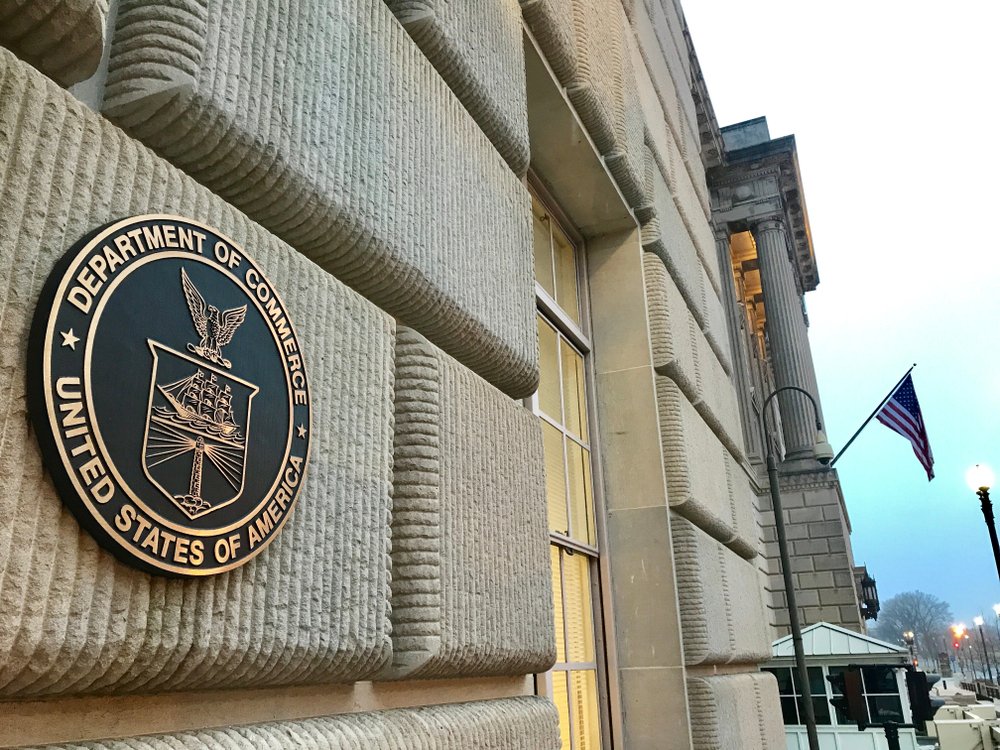
When it comes to funding workforce development projects, the Department of Commerce probably isn鈥檛 the first federal agency most state and local leaders look to. The coronavirus pandemic has led to impressive spending through the Department鈥檚 Economic Development Administration (EDA), however, and last month saw the biggest announcement yet: a $3 billion investment under the .
The initiative鈥檚 funding will be spread across six sub-programs, each with its own applications and relevance to workforce stakeholders. Four sub-programs account for the bulk of the available funding: the Build Back Better Regional Challenge ($1 billion), the Good Jobs Challenge ($500 million), the Economic Adjustment Assistance Challenge ($500 million), and Travel, Tourism, and Outdoor Recreation Grants ($750 million).
The first two will probably be the most eye-catching for readers interested in training and employment projects. The (BBBRC) will provide 20 to 30 grants of $25 million to $100 million each to regional projects aimed at supporting high-potential industry clusters, infrastructure or workforce development projects, and other economic revitalization objectives. These grantees will be selected from a much larger initial applicant cohort: 50 to 60 applicants will receive approximately $500,000 in technical assistance funding to develop their final applications, each comprising several economic development projects.
The (GJC) doubles down on the commitment to well-paid work and inclusive pathways to the middle class laid out in the Biden-Harris administration鈥檚 . Aimed at 鈥渂uilding systems and partnerships that bring together employers who have hiring needs with other key entities to train workers,鈥� this sub-program applies the sector strategies model, pooling demand from multiple employers to sustain training programs that connect job seekers to union jobs. Projects training for other high-quality jobs that pay living wages and include benefits are eligible as well. The EDA expects to fund between 25 and 50 applicants under this sub-program, and welcomes projects aimed at developing individual programs as well as system development efforts composed of several sectoral initiatives.
The other four sub-programs provide important workforce development opportunities as well. The builds off of the same program that administered $1.5 billion in CARES funding to support economically distressed communities beginning in the summer of 2020. The EAA Challenge is particularly focused on construction projects, and includes a $300 million carve-out for communities whose economies currently or recently depended heavily on coal extraction or processing. The large , which aim to support communities impacted by diminished tourist spending during the COVID-19 pandemic, can also be used to support workforce development efforts in affected industries. Finally, the Investing in America鈥檚 Communities initiative will also provide $100 million for as well as $90 million to support .
Taken together, these new funding opportunities from the Department of Commerce are staggering in their scale. As an economic development initiative, the initiative's sub-programs focus first and foremost on growing regional businesses. But although funding will not go entirely to workforce development efforts鈥攁 hypothetical agricultural technology project under the BBBRC might fund university-led research projects and public irrigation infrastructure in addition to workforce training鈥攊t could still provide transformative opportunities for community colleges and Registered Apprenticeship sponsors. Workforce stakeholders whose services can enable businesses鈥� economic growth and support the initiative鈥檚 worker equity goals will be indispensable to successful applications.
The initiative鈥檚 reemployment and job quality priorities鈥攁nd the sheer amount of money on the table鈥攎ake it likely that training providers, local governments, nonprofits, and organized labor groups in communities across the country will soon be involved in new economic development projects. The emphasis on sectoral partnerships, particularly in the BBBRC sub-program, is especially welcome news: the most effective workforce initiatives require collaboration between multiple employers, something that takes time and energy (and a good bit of money) to build. Training providers will be best-positioned to support projects if they can deliver a variety of educational options to successfully align with business objectives鈥攆rom apprenticeships to college certificates to incumbent worker training.
The new initiative is great news for communities still struggling to bounce back from the pandemic and, in many places, preceding decades of industrial decline. But although private sector innovation and leadership will be important to regional economic success, it will not be enough on its own to fulfill the vision of universal access to good jobs laid out in the American Jobs Plan. A more equitable economy will require bold leadership from both public and private sectors in helping Americans get good work. Alongside these welcome investments to spur regional business growth, the federal government must use the upcoming budget reconciliation process to make .
Enjoy what you read? Subscribe to our newsletter to receive updates on what鈥檚 new in Education Policy!
More 麻豆果冻传媒 the Author
Issues
Programs/Projects/Initiatives
Related

麻豆果冻传媒 and ACCT Announce National Advisory Committee on Workforce & Economic Development

Community College Presidents and Trustees Invited to Complete National Survey on Economic Development

Modernizing WIOA: How to Include the 41 Million Workers Missing from the Reauthorization Bill