Theodore Johnson
Senior Fellow, Democratic Futures
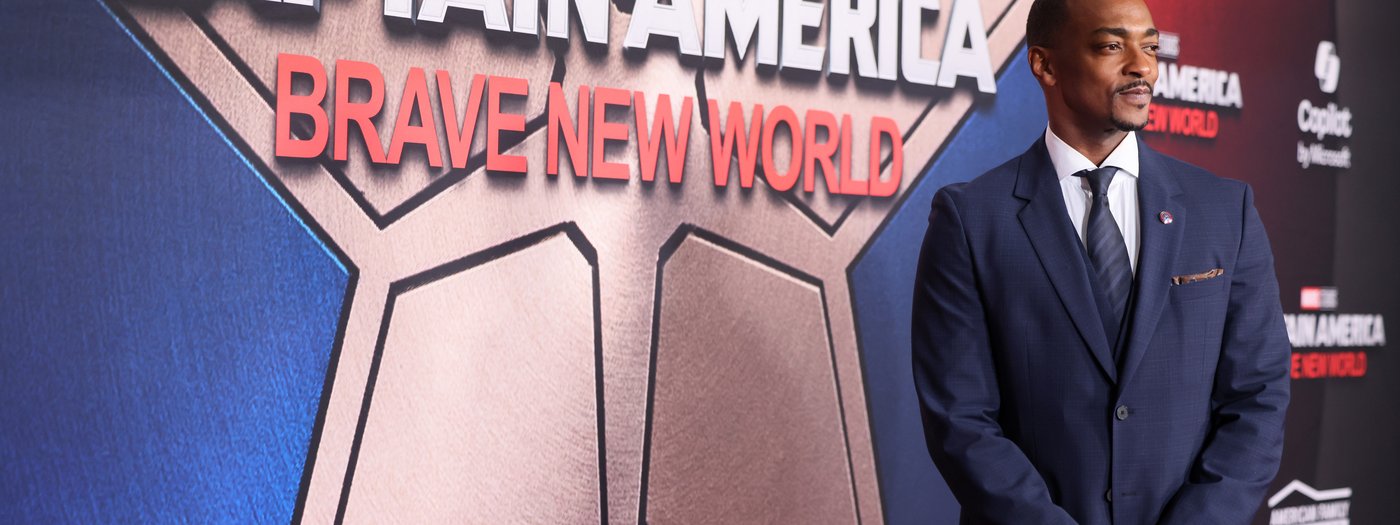

isnā€™t just about saving the worldā€”itā€™s about reimagining what America even is. With superhero Sam Wilson, played by Anthony Mackie, now carrying the shield, the film presents a worthwhile question that it never gets around to answering: What happens when a Black man is the face of American exceptionalism?
Created at the onset of World War II, Captain America has long been a popular symbol of American ideals and patriotism, becoming an embodiment of the nationā€™s professed values and honorable intentions. But just as race has routinely exposed the gap between the United Statesā€™ ideals and its actions, a Black Captain America challenges both our history and contemporary politics.
Brave New World arrives at yet another tense moment for the country when steps to dismantle diversity, equity, and inclusion policies stand in contrast with the historic nature of Barack Obamaā€™s presidency and Kamala Harrisā€™s presidential candidacy. In this way, it mirrors a larger cultural shift in a changing nation. And yet it also avoids fully engaging the conversation it invitesā€”leaving a critical aspect of the narrative unspoken and missing an opportunity to speak to the moment. In this film, Americaā€™s evolving identity is both reflected and obscured.
Mackieā€™s portrayal of Captain America has sparked both excitement and , highlighting the divisions that have deepened in American culture over the past decade. Fans upset about a Black Cap have chastised the decision as a ā€œ,ā€ suggesting that the choice amounts to racial quotas in the Marvel universe. Then, in an interview before the movieā€™s release, Mackie remarked that ā€œCaptain America represents a lot of different things, and I donā€™t think the term ā€˜Americaā€™ should be one of those representations.ā€ Opponents latched onto that statement, criticizing it as lacking the appropriate patriotic pride and rejecting his portrayal of the character. But his predecessor in the role, Chris Evans, made suggesting that Captain America should ā€œjust be called Captain Goodā€ and focused on opposing evil rather than representing what could be mistaken for an intolerant American nationalism. Yet the remarks from Evans, who is white, were largely embraced.
The resistance to Mackieā€™s Captain America goes beyond racial boundariesā€”it reflects a deeper cultural divide in the U.S. over how to define the American identity. Captain America: Brave New World captures these tensions: between politics and values, between group representation and national interests, between a colorblind nation and a race-conscious one.
The filmā€™s , with the second highest domestic opening day in Captain America film series history, reflects audience interest in the franchise and the evolving character. While Captain America has always stood as an ideal apart from the government, debates about Brave New World reveal just how intertwined patriotism and politics have become in todayā€™s America. As we witness Sam Wilson take on the mantle, we see both a personification of the American dream and a deep challenge to it. In this sense, the film not only redefines Captain America but also offers a lens through which to consider Americaā€™s future.
Captain America: Brave New World captures these tensions: between politics and values, between group representation and national interests, between a colorblind nation and a race-conscious one.
Despite the filmā€™s potential, Brave New World falls short in addressing the most significant aspect of Sam Wilsonā€™s role as Captain America: the interplay of his Blackness and his American identity. Though race is discussed in the Disney+ series , the movie largely avoids explicitly engaging with this reality. Perhaps that was intentional, a subtle suggestion that the new world is so brave because it is colorblind. However, in todayā€™s Americaā€”where race and politics are deeply intertwinedā€”the roleā€™s evolution is hard to ignore.
Sam Wilson, the new face of America, is not just a hero; he is also a symbol of Black people in America, who share a history filled with broken promises, state-sanctioned oppression, and a peopleā€™s determination to realize freedom for themselves. By sidestepping the conversation about race, the film misses an opportunity to explore how this evolving representation of racial identity could reshape perceptions of power, leadership, and patriotism in a country where whiteness has often been the default in shaping national narratives.
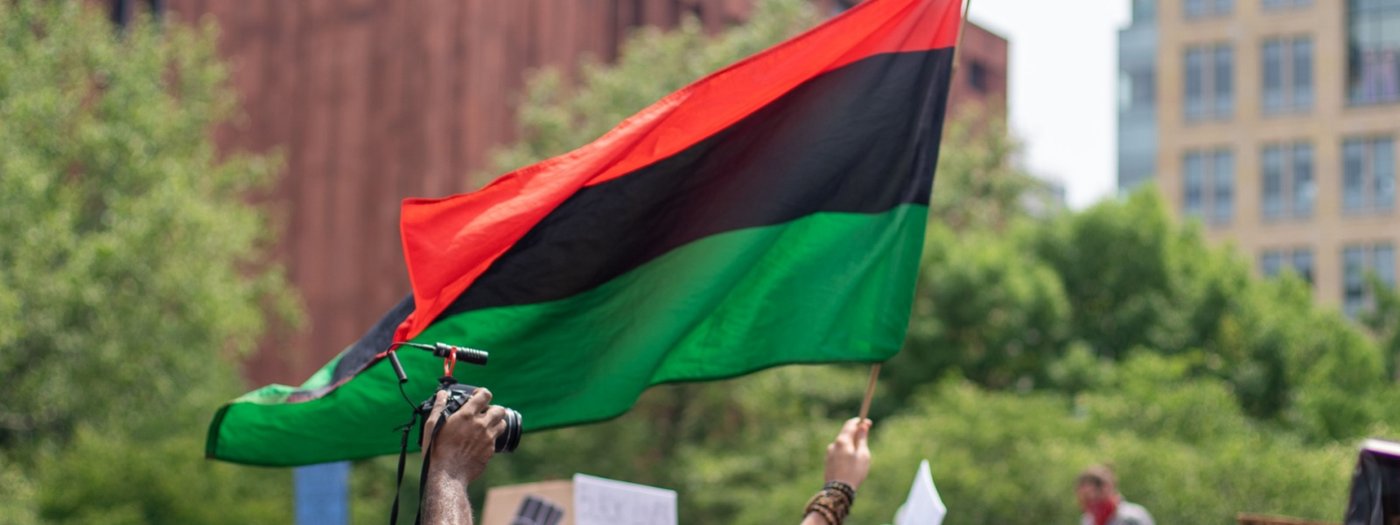
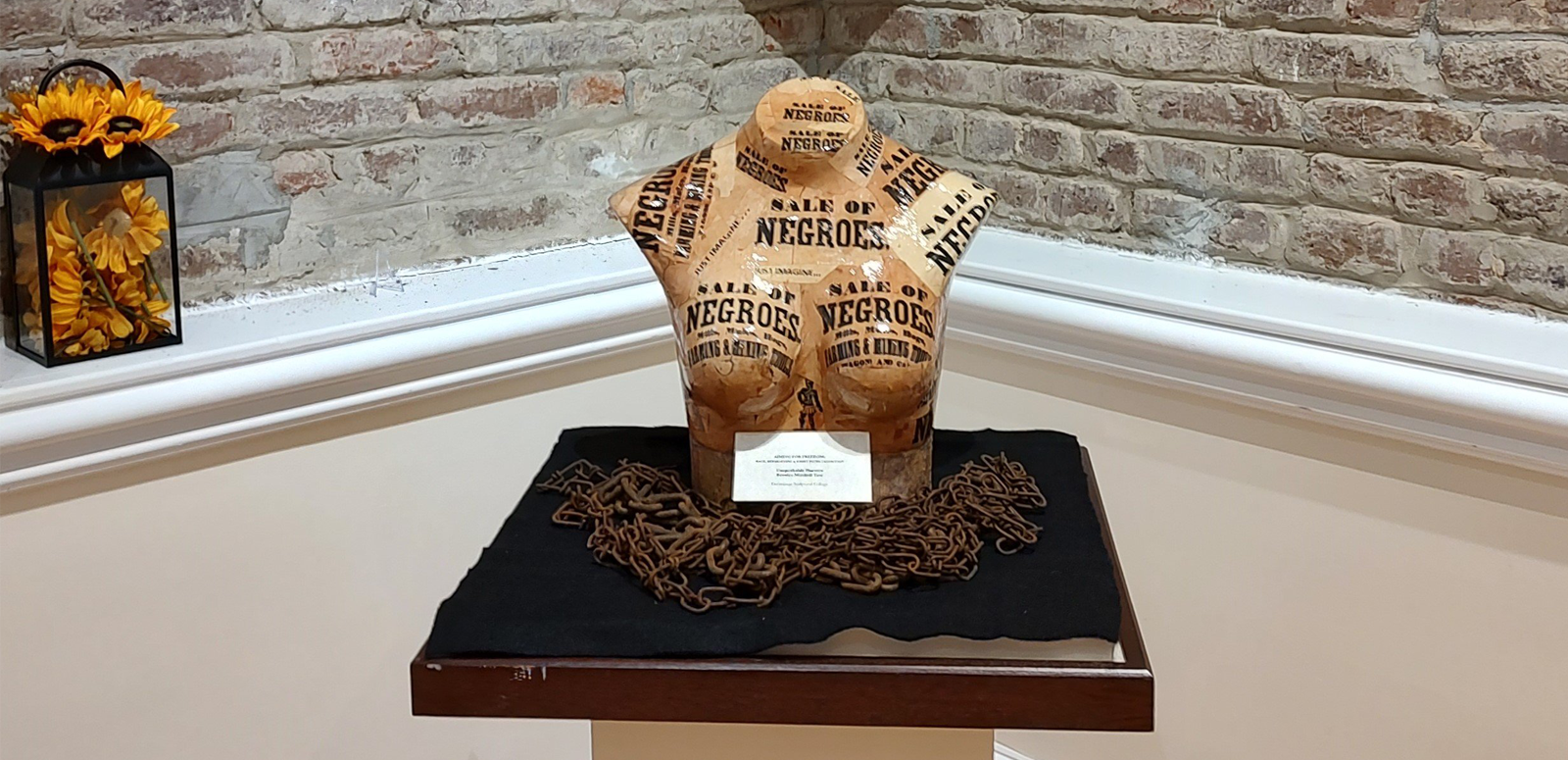
In real life, artists like and µž±š²ā“Ē²Ō³¦Ć© are already pushing boundaries by exploring what it means for people who have been long marginalized to be patriotic nonetheless. There is a deep history of the duality of , insisting on both pride and reckoning, that Mackie embodies as Cap. This history raises important questions about who gets to represent America, and how their race impacts their role in the national narrative.
This history raises important questions about who gets to represent America, and how their race impacts their role in the national narrative.
But Brave New World only briefly touches on these themes. Samā€™s poignant line at the end of the filmā€”ā€œBecause if Iā€™m not on point, I feel like Iā€™ve let down everyone who is fighting for a seat at that tableā€¦ Thatā€™s pressureā€ā€”captures the weight of expectations placed on Black Americans.
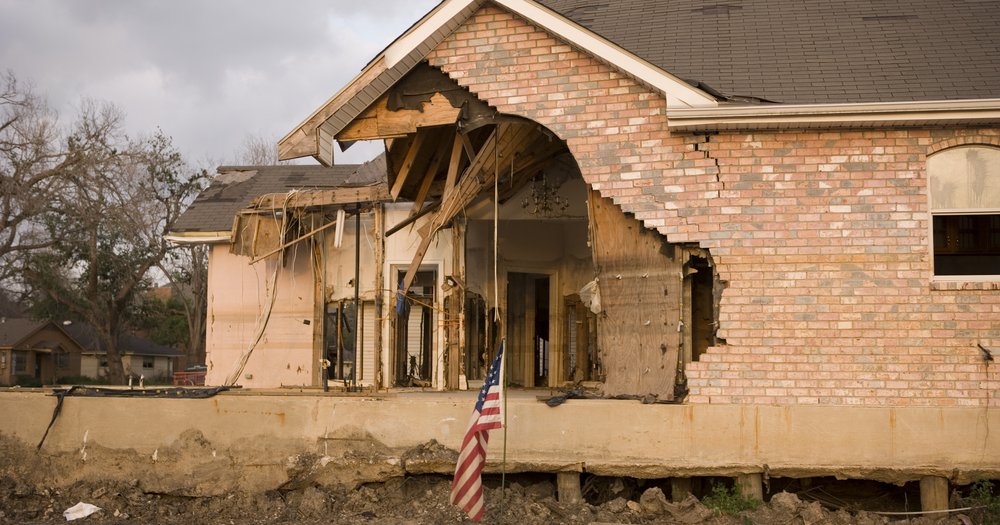
It is fitting for Captain America to raise these issues. During World War II, the nationā€™s hypocrisy was on full display. Black Americans were denied voting rights and equal protection under the law, and were also refused access to government-provided education and housing benefits. Yet they still served honorably in the war effort, defining their patriotism as abroad while not losing ā€œsight of our .ā€
As Americaā€™s racial and ethnic diversity continues to grow, Brave New World offers a timely commentaryā€”even if we might have expected Marvel/Disney to shy away from fully embracing the challenging questions it raises. With Sam Wilson, a Black man, now carrying the shield, and Joaquin Torres, a Latino man, taking on the mantle of Falcon, the film showcases a future in which the faces of Americaā€™s defenders are not just white, but reflect the nationā€™s diverse population. This more inclusive portrayal of what it means to be American challenges historical, predominantly white representations. However, by failing to examine the implications of this change, the film misses a crucial opportunity to delve deeper into the evolving nature of American patriotism and leadership. By avoiding a direct conversation about Samā€™s Blackness and the historical context behind it, Brave New World sidesteps a chance to fully embrace the revolutionary nature of this shift.
In todayā€™s political and cultural climate, where that conversation is front and center, Brave New World serves as a modern lens through which to critique the direction the country is headed. The film presents an evolving Captain America, but it also mirrors the larger struggle over what it means to be patriotic in a nation built on contradictions. This conversation is playing out in real-time through the Us@250 initiative, which seeks to tell a fuller, more inclusive story of our nationā€”one that reckons with our past and celebrates the diverse voices shaping our future.
In the end, Captain America: Brave New World is still a watershed moment in the Marvel Cinematic Universe, offering a new vision for what America could look like in the future. A revolution is already happening in Americaā€”a revolution not of arms, but of ideas. It is a revolution driven by the demand for greater racial justice, equity, and inclusivity. As the nation confronts its history and reckons with its contradictions, the way we embrace or resist this shift in representation will not only shape our future and that of the American identity but also the very principles upon which the nation stands.
Senior Fellow, Democratic Futures
Editorial Manager