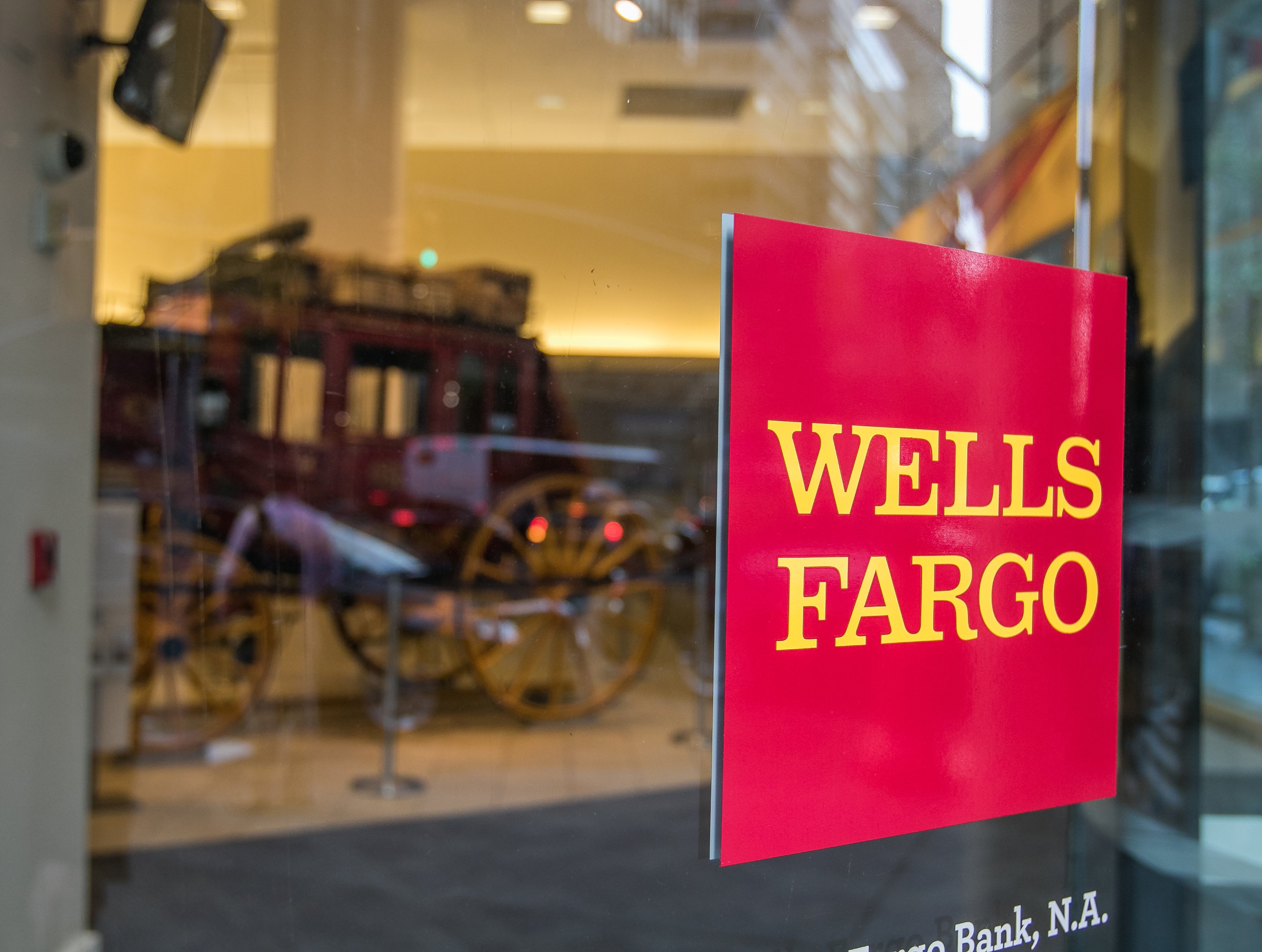
Featured Story: Wells Fargo CEO John Stumpf Faces the Music
It was the day of reckoning for Wells Fargo CEO John Stumpf. On Tuesday morning, the Senate Banking, Housing, and Urban Affairs Committee held a hearing in which Stumpf had to answer for the years long fraud in which Wells Fargo employees, presumably under pressure from high sales quotas, illegally opened accounts and lines of credit under the names of unsuspecting customers.
厂濒补迟别鈥檚 covers the highlights from the hearing, including Senator Warren鈥檚 (D-MA) questions for and reactions to Stumpf. Warren asked if any senior level executives had been fired as a result of the fraud, called for Stumpf鈥檚 resignation, and compared the scandal to the housing crisis.
鈥淭he only way that Wall Street will change is if executives face jail time when they preside over massive frauds,鈥� Warren said, 鈥淲e need tough, new laws to hold corporate executives personally accountable, and we need tough prosecutors who have the courage to go after people at the top.鈥�
disagrees, sort of. While the professor of law (and lead prosecutor for the Department of Justice鈥檚 Enron Task Force) does agree that these types of scandals will continue without tougher laws that promote corporate accountability, he does not see tougher prosecution as part of the solution.
鈥淭he problem,鈥� Buell writes, 鈥渋s the large corporation, not the people inside it鈥攚ho turn over and over across scandal after scandal. It is time to put aside fixation with prosecutions as the cure-all for America鈥檚 corporate ills鈥he corporate institution itself鈥攊ts scale and the rules for how it operates鈥攊s what needs a hard and deep new look.鈥�
The CFPB is the most sensible regulatory vehicle to do this given that it was created for this explicit purpose. And yet, as 痴辞虫鈥檚 points out, the same Republican senators who condemned the actions of Wells Fargo also, at one time or another, have called for the CFPB鈥檚 dissolution or, at the very least, a weakening of its regulatory authority.
鈥淏anking committee Republicans want to grandstand when banks get caught, while voting to make it much less likely that banks actually do get caught.鈥�
News Highlights: Welfare Myths, Equity, and (Financial) Technology
The Rise and Reign of the Welfare Queen
The racialized stigma associated with accessing welfare benefits has deep roots in American policy, most recognizable in the form of the infamous Welfare Queen. In order to combat the perceived fraud welfare beneficiaries might commit, benefits programs, like TANF, have come to 鈥渋ncreasingly rely on surveillance and sanctions鈥which] further stigmatizes the receipt of public assistance rather than strengthening these programs鈥� capacity to respond to critical needs.鈥� 麻豆果冻传媒鈥檚 Rachel Black and Aleta Sprague argue that responding to such needs will require policymakers to create policy 鈥渁round the needs and experiences of real families not mythical abstractions鈥�.鈥�
鈥淒oes Point鈥檚 business contribute to the exact sort of opacity and complexity that can make the mortgage industry even riskier?鈥� That鈥檚 the question Gillian White asks in a recent piece on one company, Point, that offers loans in return for a share of a homeowner鈥檚 home. Whether or not the house changes in value over the duration of the loan impacts how much money Point will earn (or lose). 鈥淚f the house rises in value, the homeowner owes Point 20 percent of the overall increase….鈥� As White points out, the process of monetizing homeownership is nothing new. But considering the trouble it has gotten us into, is it wise to continue down this path of securitization?
Financial technology (FinTech) is going to change the way we think about money according to Aaron Klein. For one, investors have poured almost $14 billion into FinTech startups within the last 12 months alone. Far from benefiting only those with means, the new technology 鈥渨ill allow you to manage and transmit money more easily, cheaply, and smarter. FinTech will help businesses pay their suppliers, and cut down on the costly swipe fees that eat away at profits, especially for small businesses.鈥� By reducing the need for multiple financial products, FinTech also has the potential to severely limit the use of subprime financial products and services. If done right, people at all socioeconomic levels鈥攏ot just the rich or upper-middle class鈥攕tand to benefit and gain greater autonomy over their financial futures.
News in Brief: A New Lost and Found, College-Educated Baristas, and More
- Congratulations are due to Jose Quinonez of who was recognized as a . Jose is a pioneer in the asset building field, and it is hard to imagine this award being bestowed upon a more deserving person.
- Congratulations are also in order for (CAAB) who celebrated their 20th anniversary this week. Check out to see some great pictures celebrating 20 years of financial empowerment in the DC area.
- 鈥淭he Senate Finance Committee has cleared two pieces of retirement legislation that are now pending before the full Senate, including one that includes a new brand of multiple employer plan (MEP) for the private sector,鈥� writes the American Retirement Association鈥檚 .
- There is a underemployment crisis amongst recent graduates鈥攂ut only amongst liberal arts majors. The 础迟濒补苍迟颈肠鈥檚 reports.
- 鈥淣笔搁’蝉 talks with UC Berkeley economist Enrico Moretti about what it takes to increase economic mobility and how that could change under a President Clinton or President Trump.鈥�
- Unlike many candidates in the past, Clinton鈥檚 policy agenda emphasizes the importance of family-centered social and economic policies. Writing for Democracy, New鈥檚 America鈥檚 asks, 鈥淚s it enough?鈥�
- The U.S. Pension Benefit Guaranty Corporation, which runs a searchable database for the lost pensions, is looking to do the same for 401(k)s. 叠濒辞辞尘产别谤驳鈥檚 reports.
- Housing discrimination and segregation haven鈥檛 been legal since the Fair Housing Act, and yet, they still persist. For black Americans and other communities of color the asks, where does the American Dream live?
Events:
| CFED | September 28-30, 2016
More 麻豆果冻传媒 the Author
Related

Asset Building News Week – October 7, 2016

Asset Building News Week – September 16, 2016

Asset Building News Week – September 9, 2016