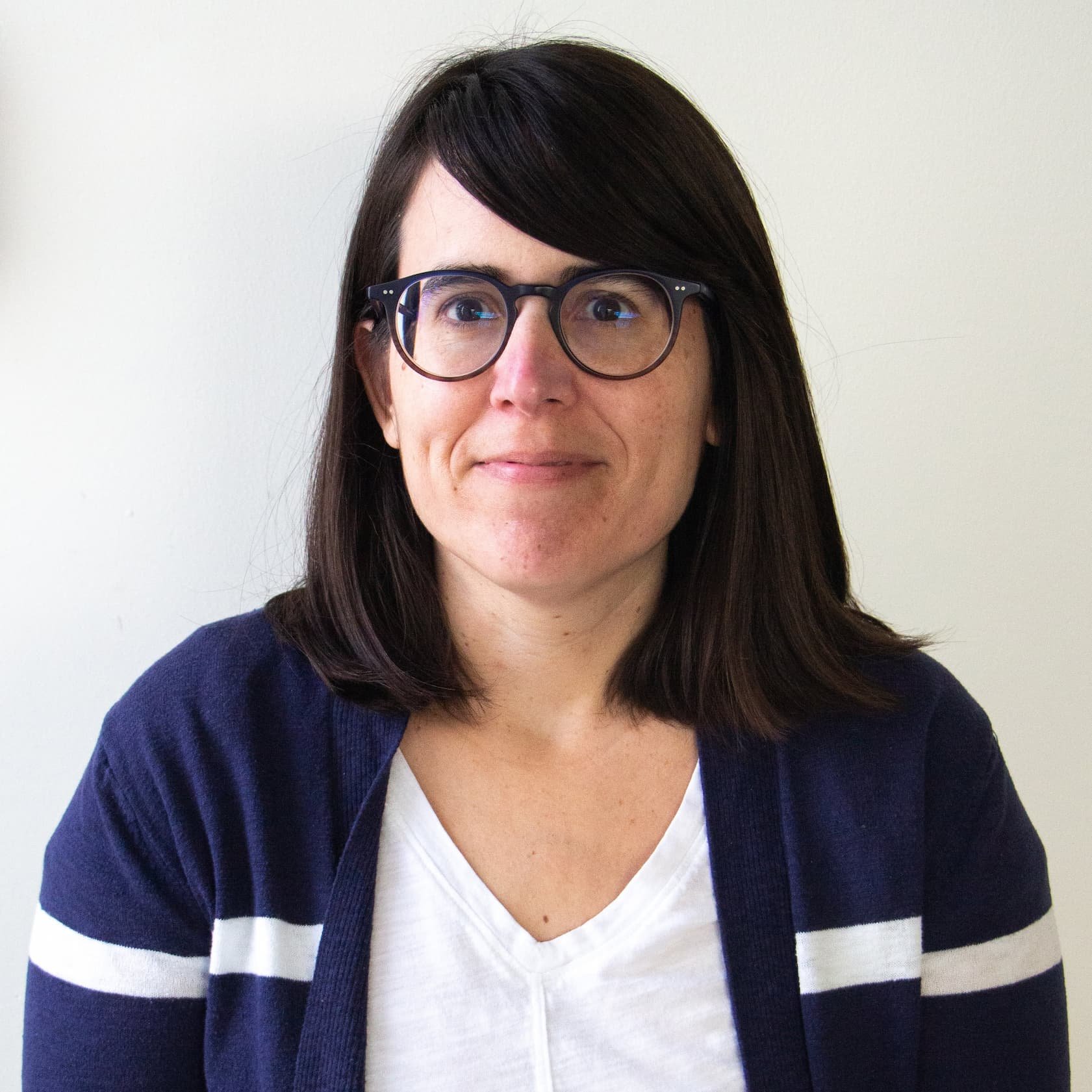
Amaya Garcia
Director, PreK-12 Research and Practice

Have you ever heard of the ? In 1995, researchers Betty Hart and Todd Risley of their of 42 families (from a range of socioeconomic backgrounds) and the influence of a child鈥檚 early experiences on their vocabulary development. Hart and Risley discovered large differences in language use among different income groups and extrapolated that by the time a low-income child reaches the age of 3聽they will have heard 30 million less words than their higher-income peers. These findings were hugely influential (and still are) and helped to shed light on the urgency of early intervention to close these gaps.
Recently, Bruce Fuller, Edward Bein, Yoonjeon Kim and Sophia Rabe-Hesketh maternal and home factors that might influence observed differences in cognitive growth (e.g. comprehension of words, memory, vocabulary skills) between young Mexican American children and White children. Fuller and his colleagues noted that at the age of 9 months there were no measurable differences in the cognitive functioning of these two groups of children, but that by 2 years old many of the Mexican American children started to fall behind. These later differences were linked to family income and the mother鈥檚 level of education.
These findings reinforce the important role play in the development of their children and value of teaching them strategies that promote their children鈥檚 learning. That鈥檚 why programs such as (Opening Doors) are so promising. Abriendo Puertas is a 10-week parent education program aimed at enhancing Latinos鈥� parenting practices to support multiple areas of their children鈥檚 development and on increasing parent鈥檚 leadership and advocacy skills.
Could a program like Abriendo Puertas help reduce the word gap? Yes. And here鈥檚 why:
鈥淭his class is making us aware that kids are learning. I didn鈥檛 used to talk to my children, but if you talk to them you motivate them and they learn. My son is 9 months, and when I say words to him, he starts repeating. Sometimes we think they are too young. It鈥檚 very important to talk to them.鈥� ((From a 2014 of the program conducted by Child Trends.))
The curriculum is structured around 10 sessions that focus on issues such as positive discipline practices, children鈥檚 language development and parents鈥� role in the process, reading and choosing appropriate books, health and nutrition, how to choose a high-quality early education program, and leadership/advocacy strategies.
And did I mention that the lessons are culturally relevant and delivered entirely in Spanish? And that Abriendo Puertas is an additive program focused on growing parents鈥� skills and knowledge rather than 鈥渕aking them better parents.鈥� And it works!
That鈥檚 according to a 2014 of Abriendo Puertas conducted by Child Trends, geared towards assessing the program鈥檚 implementation and impact on parents鈥� parenting behaviors. All in all, the report found positive results. The program鈥檚 implementation was examined via focus groups, observations, and surveys of participants and program facilitators. The report compared outcomes for parents who were randomly assigned to either participate in the program (treatment group) with parents who were 聽were placed on a waitlist (control group).
First, let鈥檚 focus on Abriendo Puertas鈥� impact on participants鈥� parenting. Parents who participated in the program were more likely to engage in educational activities at home, read to their child, report having learned effective communication and discipline strategies, and believe that the example they set at home matters. But there were also several measures with no discernible differences between parents in the treatment and control groups. For example, views of language (specifically bilingualism) and learning were not significantly different among parents. Nor were there differences in health habits and behaviors.
Why didn鈥檛 the program have a measurable impact on more aspects of parent behaviors and beliefs? The authors draw on qualitative data collected during their study of the program鈥檚 implementation to answer this question. Parents in the treatment group聽reported that they already knew about the benefits of bilingualism, 鈥淚n their [children鈥檚] school they tell you, 鈥榯wo languages opens your doors鈥�…or they tell you in other programs, or in TV ads.鈥� Relatedly, parents received information on children鈥檚 learning from doctors, social service or other programs such as (the study was conducted in Los Angeles). Which is to say that parents鈥� knowledge about bilingualism may have already been relatively strong across both groups before the treatment group enrolled in Abriendo Puertas.
Their findings in regard to health behaviors were even more interesting. Parents again noted that they received basic information about health and nutrition from sources such as the Women and Infant Care (WIC) program or Michelle Obama鈥檚 Let鈥檚 Move initiative. Some participants stated that healthy behaviors were 鈥渆xpensive and not practical.鈥� One parent even noted that 鈥淓veryone knows that you need to eat well and that you need to exercise. Nobody thinks otherwise. [But]I don鈥檛 think in . . . a two-hour session you鈥檙e going to be able to change those habits.鈥�
Program implementation and impact often go hand-in-hand. Program facilitators commented that there was not a sufficient amount of time to go in-depth on many of the topics and they sometimes left out parts of the curriculum. Which is as good a reminder as any of the role program evaluation should聽play in program improvement.
But even if it鈥檚 not perfect, Abriendo Puertas is providing Latino parents with a comfortable place to learn about their children鈥檚 development and consider their own parenting practices.
Note: This post is part of 麻豆果冻传媒鈥檚 Dual Language Learners National Work Group. for more information on this team鈥檚 work.“
Director, PreK-12 Research and Practice