
Continuing our series of inspiring stories from speakers at听#RiseLocal, this week’s blog is authored by , Dean of the Pepperdine University School of Public Policy.
The Los Angeles Times framed the headline of their July 15, 2010 edition as a question, but every reader knew the answer: 鈥溾�� No. The investigation by Times鈥� journalists Jeff Gottlieb and Ruben Vives sent shockwaves through California鈥檚 municipal government community, and earned the writers a Pulitzer Prize. In the months that followed, the corruption uncovered was breathtaking 鈥� a sleazy relationship between most of the city council members and several of the Bell鈥檚 top administrators. Left out were the city鈥檚 32,000 residents鈥ut not for long.
Several months later, I received a call in my office at Pepperdine鈥檚 by my friend, and just-retired city manager, Ken Hampian. Ken told me that he was coming out of retirement to take on an interim assignment in a Los Angeles-area municipality that had experienced significant breach of trust between residents and city hall. He was coming to Bell, and wanted my help to consult on rebuilding effective civic engagement in a city where there only kind seen in the preceding months was (quite understandably) angry protesting. The stakes were high, as respected voices were wondering whether the municipality should not just be collapsed into a larger city.
My work at Pepperdine鈥檚 graduate policy program over the last decade has involved training and consulting with government officials 鈥� mostly at the local level 鈥� in how to lead more effective public processes. The way we put it is that we鈥檙e always trying 鈥渢o put the 鈥榩ublic鈥� back into 鈥榩ublic policy.鈥欌�� Through our , we have trained over 2,000 public sector leaders in how to better engage their residents in solving tough public problems through better processes and the latest technology.
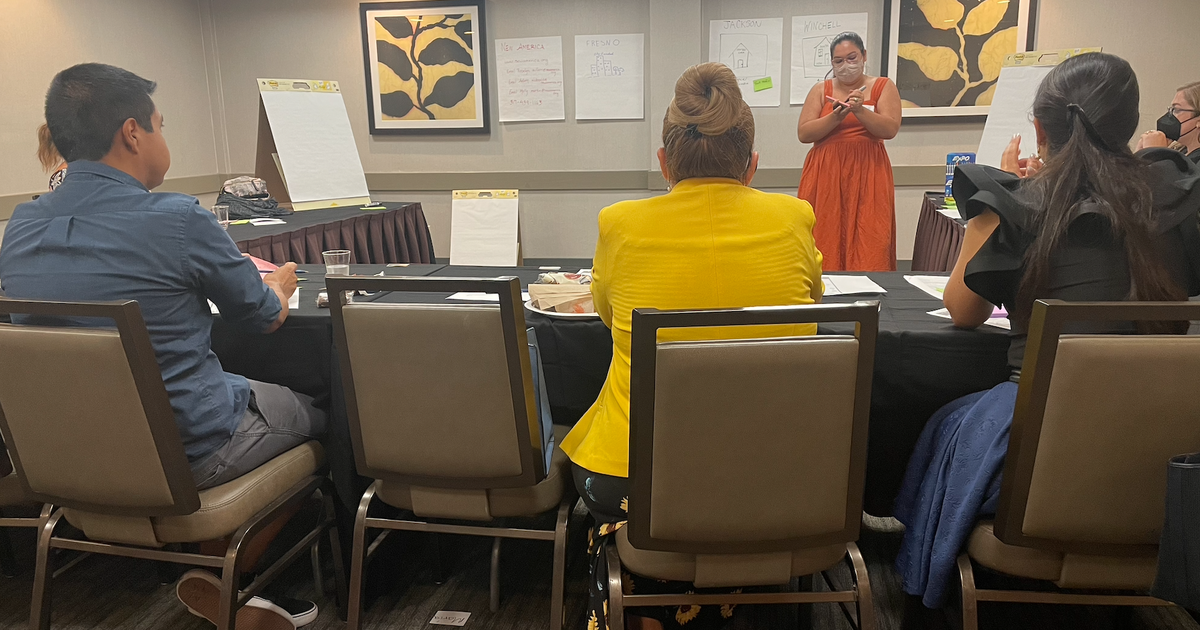
Convening a team of committed public officials from around Southern California, Hampian led an effort that welcomed Bell鈥檚 residents (known as 鈥淏ellians鈥�) into the first public budgeting process in the city鈥檚 history. The 鈥淕oal-Setting Community Forums鈥� involved English and Spanish-speaking tables, learning the basics of municipal budgeting, while feeding back priorities on where the City should focus its diminished resources in the upcoming budget cycle.
While most know the story of Bell as it was originally reported, few know the dramatic civic transformation the city has undergone since. With new, local elected leadership, and a series of excellent administrators, Bell has gone a long way to rebuild that trust with its residents that was lost almost exactly seven years ago. A look at the City鈥檚 today, displays easy to find links to 鈥淐ity Records鈥�, 鈥淟ive Council Meetings and a 鈥淐ommunity Survey鈥�. In the upper left-hand corner of the homepage a sunburst icon notes an award for an 鈥淎- / Top Transparency Website鈥�.
The phrase 鈥渃ivic innovation鈥� has become a watchword in government circles 鈥� particularly at the local level. Looking deeper at each of these initiatives around the country reveal a couple common themes. Most involve government engaging their residents in new ways, and often with the use of technology.
While the field has been wrapped in the gloss of the new and technological, what drives civic innovation in every instance is a human leader seeking to better engage residents in the hard work of citizenship. Granted, in most instances, the stakes are not as existential nor the inspiration as desperate as we鈥檝e witnessed in Bell, but seen differently, the argument should be made that if civic innovation can happen here, it can (and should) happen everywhere.
Check back every other Tuesday for a new story of local innovation, #RiseLocal. Next, from 听will write a story about fighting poverty in the Bay Area.听
听
Issues
Programs/Projects/Initiatives
Topics
Related

Can California Plan for Equitable Growth in the Face of Climate Migration?
Community Priorities for Public Policy