
Molly G. Martin
Senior Strategist, Executive Office
Thanks, Politico. You really know how to make a girl feel special.
That鈥檚 how I felt after I read a recent profile about the breakout star of鈥攁nd from鈥擲outh Bend, Indiana, Mayor Pete Buttigieg. Don鈥檛 get me wrong: Clickbait title aside, the piece excellently details 鈥淢ayor Pete鈥檚鈥� meteoric rise and the power of his humble approach. On top of that, it does an admirable job of discussing why the fact that a progressive, gay mayor鈥檚 return home after graduating from Harvard and doing a stint at McKinsey defies people鈥檚 stale impressions of Indiana. The piece also captures the challenge South Bend faces in honoring its roots without stagnating against tricky Rust Belt odds.
But, at least for me, where this piece鈥攁s well as many others鈥攖rips up is in its laser-like focus Buttigieg鈥檚 pathway to national prominence. The frame of the piece is, essentially, that local politicians need to be assessed according to their potential for national office. I鈥檓 interested in the subtext of this line of thinking: that local leaders鈥� value lies inherently in their viability for national office, and that there are 鈥渞eal Americans鈥� out there we can only hope to understand.
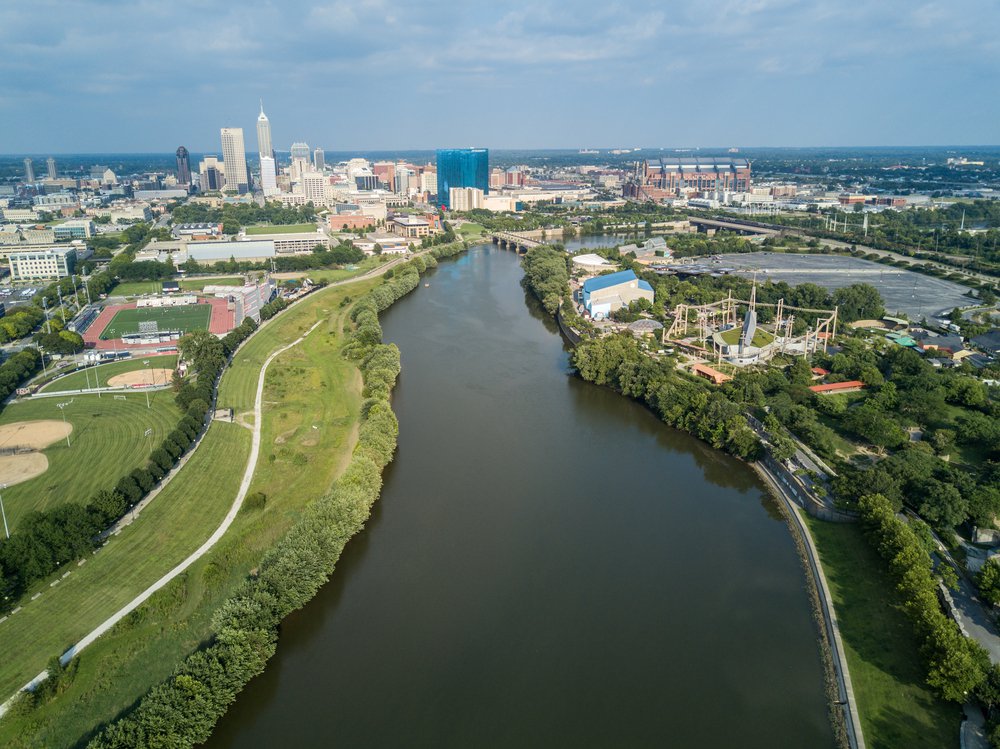
First, let鈥檚 talk about the issue of defining mayors and community organizers according to their national fame quotient. Buttigieg has changed as many lives during his seven-year term as any member of Congress has for that same constituency; just ask the residents who went back to work after he cut the Newsweek-dubbed failing city鈥檚 unemployment by half. And I can say, from my own experiences in Indiana, that this outsized impact isn鈥檛 limited to聽Buttigieg. In Indianapolis, Mayor Joe Hogsett and faith, workforce, and education leaders have announced the second summer of Project Indy, a summer youth employment program focused on building workforce-relevant skills for the city鈥檚 most vulnerable students. Hogsett鈥檚 administration is also working with Governor Eric Holcomb to offer incentives to employers for hiring ex-offenders, building on local efforts to help the formerly incarcerated become successful entrepreneurs.
Gary Mayor Karen Freeman-Wilson, meanwhile, is fighting to recover resources used to address the opioid crisis from drug manufacturers themselves. And consider the leadership of former Indianapolis Mayor Greg Ballard: He鈥檚 both growing robotics and tech education in the city, and helping to lead the bipartisan, cross-sector pushback against the Religious Freedom Restoration Act. Ballard鈥檚 willingness to innovate across social and economic priorities, to ensure that the city workforce is accessible and welcoming to more Hoosiers, set the bar high for local leadership, often walking the tightrope between local need and national movements.
Each of these mayors, Democrats and Republicans alike, is deftly working across various landscapes鈥攖he state government, nonprofits, diverse faith communities, the private sector鈥攖o make the most of sometimes brief stints in office. At a time when federal decision-making is chaotic, being able to take action swiftly on the local level (and iterate as you learn) is crucial. And it鈥檚 about to become even more important in the face of an infrastructure plan that will place additional financial and leadership demands on local governments.
Yes, some Indiana mayors may have traits or priorities that, once you鈥檙e talking about legislation or courts, might challenge single-issue voters on both sides of the aisle. And, true, that might make them harder sells for certain state and national seats. But when did that become the metric for valuable public service? Why is doing good work and making effective policy in cities and towns鈥攚here people live and work each day鈥攏ot enough? Why do we so often breeze past local leaders鈥� value and head straight for the beauty pageant of a national race? Why do we make these leaders鈥� accomplishments about whether or not mysterious 鈥渞eal Americans鈥� would let them achieve something on the national stage? And why do we assume that key city innovations aren鈥檛 a good selling point for a public servant on the state or national level?
Finding places with 鈥渞eal Americans鈥� aligns someone鈥檚 efficacy and opportunity to rise in the ranks of public service with their voter registration card. It also entirely overlooks Indiana鈥檚 tradition of pragmatic policymaking: Hoosiers have always struck me as being interested in practicality and privacy, and you can sometimes see that tradition in bi- or nonpartisan partnerships to address daily challenges. Bipartisan solutions are possible here. They鈥檙e valued. In the minds of many people, if you鈥檝e managed to become a successful Democrat in South Bend or a successful Republican in Indianapolis, you鈥檙e a blessed fluke that might want to sit still in national office rather than chance being chased by torch-wielding local villagers.
Indiana isn鈥檛 known for being progressive on social issues. That鈥檚 painfully true. But for those people who find it convenient to cordon off Indiana, or the Midwest more broadly, because it trends red outside of Indianapolis and Gary, I suggest this: When it comes to racial, gender, and sexual identity, the 鈥渞eal American鈥� narrative is unproductive and insulting at best, and often downright dangerous at worst. Consider the Great Migration and the growth of black communities in the Midwest that followed: Can you imagine being a person of color in Indiana and hearing that 鈥渆veryone is white out there,鈥� as something that factors into political strategy or resource allocation? Should your geography dictate how hard someone ought to work address issues that matter to you? , and attitudes about marriage equality may vary by zip code, but papering over Midwesterners of color, LGBTQ Midwesterners, or Muslim Midwesterners is no better than denying the issues plaguing the factory worker in a rural community grappling with the changes that ran roughshod through her hometown.
If we don鈥檛 add more nuance to our discussions of the needs of Americans in urban and rural areas outside of, say, the 10 largest cities (Indianapolis聽is No. 15 by most counts), we miss out on the innovative policies and processes coming out of those markets. Suggesting that there鈥檚 some forcefield preventing effective leaders like Buttigieg from 鈥済etting out鈥� robs countless other Americans the opportunity to learn from what has worked鈥攅ven out here in Nowhere, USA.
Senior Strategist, Executive Office


