Zahava Stadler
Director, Education Funding Equity Initiative
The Supreme Court just stood up for voting rights, but its voting rights cases left students behind long ago.
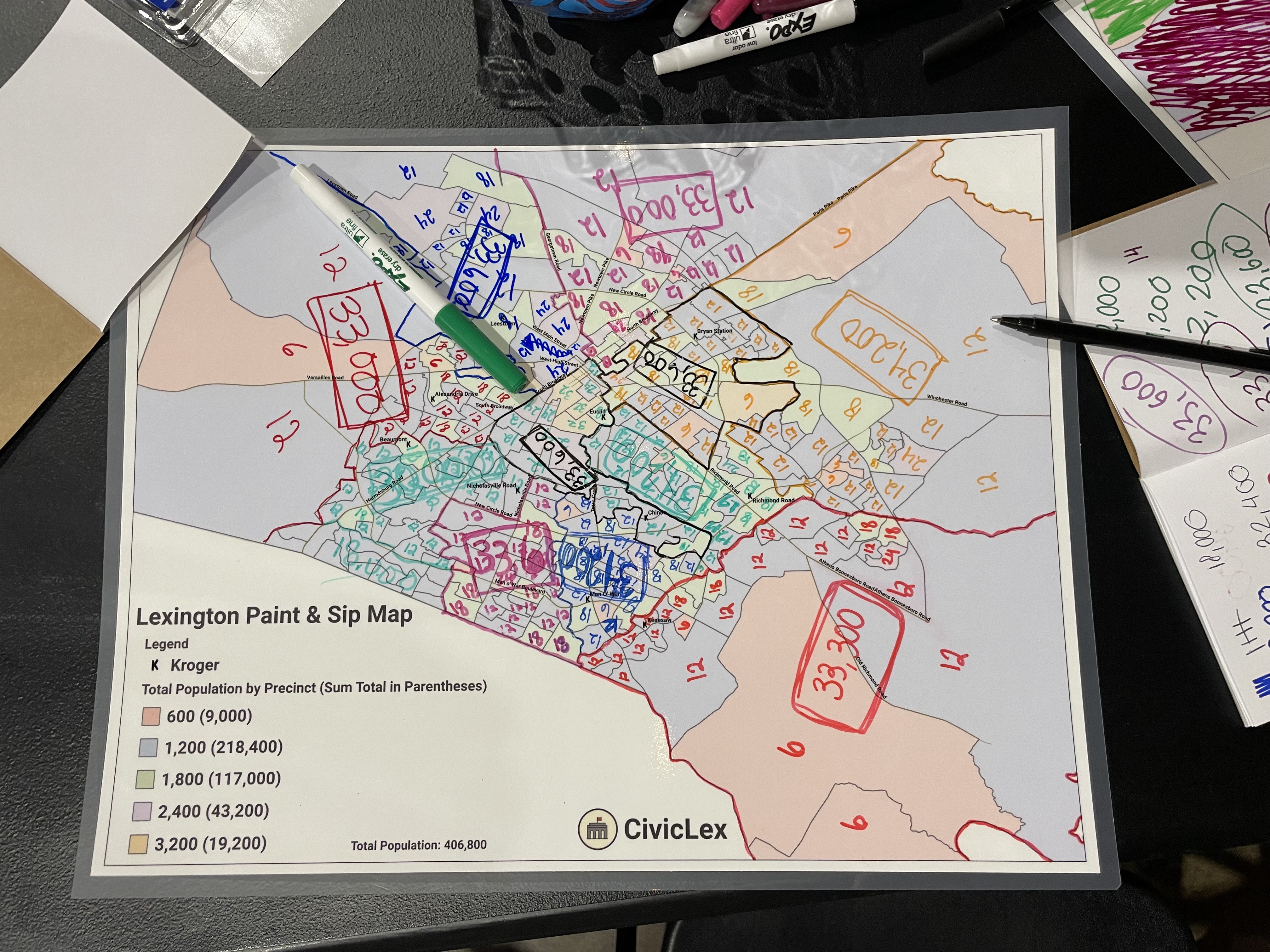
On June 8, the United States Supreme Court struck down Alabama鈥檚 new map of Congressional voting districts. The opinion in this case, , affirmed prior rulings on Section 2 of the Voting Rights Act (VRA), which bans racially discriminatory practices in elections and voting. This decision took observers by surprise, because recent history pointed toward the opposite result: The Court has used over the last decade to chip away at the VRA鈥檚 protections for voters of color. In fact, the author of the Milligan decision, Chief Justice John Roberts, is for his longstanding opposition to elements of the VRA, and ten years ago, he wrote the opinion in that struck down a large portion of the Act.
Voting rights advocates and the cases鈥� impact on racial democratic equity. What many don鈥檛 realize, though, is that Supreme Court decisions on voting rights also matter for fairness and racial justice in public education.
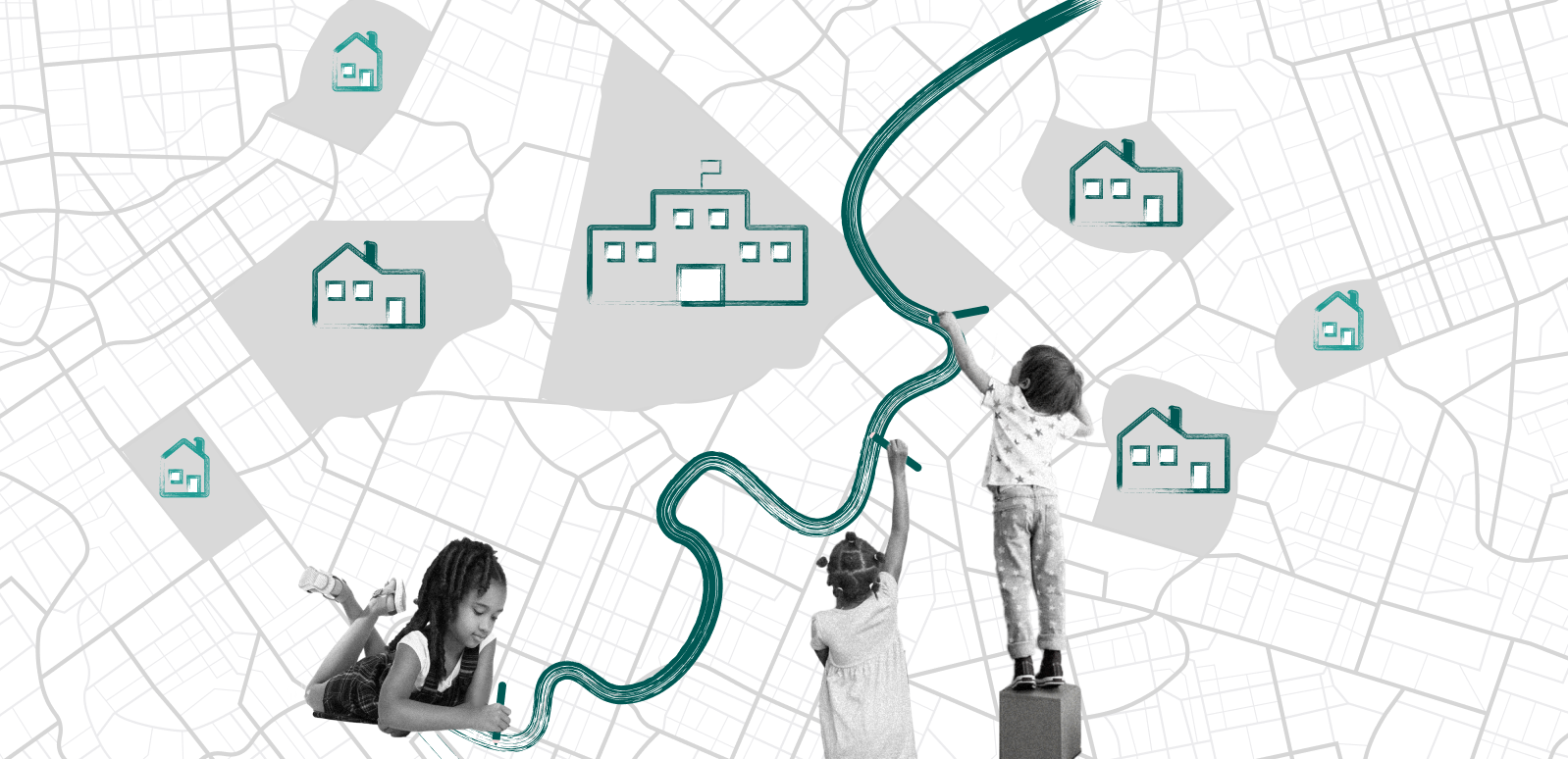
The border that surrounds a school district serves a number of purposes. It defines the area in which resident students can go to a set of schools. It outlines the local taxing jurisdiction whose property tax dollars will support the district budget. It also demarcates something else: A voting district. People who live within the boundary of a school district vote in its school board elections. That means that changes to school district boundaries are form of election redistricting.
Unlike for congressional voting boundaries, there is no required decennial redistricting for school district borders. But these borders can be altered鈥攁nd are sometimes manipulated in ways . Without a regularly scheduled opportunity to reconsider the entire school district map in a state, changes to school districts tend to come one at a time, and too often, they are instigated by a group seeking to cement its advantage by drawing borders that keep property tax dollars in and high-need students out.
Before the Supreme Court鈥檚 Shelby County ruling in 2013, border changes like this used to get a lot more scrutiny. dealt with Section 5 of the Voting Rights Act, which required that any change affecting elections or voting rights in certain parts of the country be 鈥減recleared鈥� by the U.S. Department of Justice, and with part of Section 4, which set out a formula determining which states and regions were covered by this rule. In (the entire states of Alabama, Alaska, Arizona, Georgia, Louisiana, Mississippi, South Carolina, Texas, and Virginia, as well as specific counties and towns in six additional states), any change to voting districts, including the boundaries of school districts, would need Justice Department approval. This happened all the time. The department鈥檚 鈥淣otices of Preclearance Activity鈥� from before 2013 are peppered with . This made VRA preclearance the only federal check on state and local decisions to change school district lines. After Shelby County, none remained.
As we celebrate the Milligan decision holding the line on racially discriminatory voting laws, let鈥檚 remember the protections that have been lost along the way鈥攆or voters, but also for students. District boundaries can be drawn expansively or narrowly. They can be used as tools for inclusion or segregation. They can encompass diverse populations and broad tax bases, or they can divide students from resources and from each other. As we think about the equity and racial justice implications of redistricting, we should remember the first district we each encounter鈥攐ur school district鈥攁nd seek to ensure greater equity and justice in the opportunities created by those borders as well.
Enjoy what you read? Subscribe to our newsletter to receive updates on what鈥檚 new in Education Policy!
Director, Education Funding Equity Initiative