New Research: Montessori Pre-K Works for Latino Students
There鈥檚 a common assumption lurking in lots of discussions about education reform: Instruction in basic skills is somehow in tension with enrichment. But when we distinguish 鈥渃ore鈥� subjects from others, we鈥檙e setting up a hierarchy of priorities that has serious implications for instructional choices.
What鈥檚 more, this dynamic often pushes beyond the skills and subjects we prioritize鈥攁nd into pedagogical strategies. For instance, emphasis on ensuring students develop strong reading and math skills often fuels targeted, direct instruction in pursuit of those goals. This makes intuitive sense: If students appear to have weak phonics skills, teachers ought to identify key letters and sounds and teach those in a clear, crisp way. There are good reasons to take this approach. But there鈥檚 a risk that this approach neglects other pedagogical considerations鈥攊n short, teacher-directed instruction isn鈥檛 always the most effective strategy for all students under all circumstances.
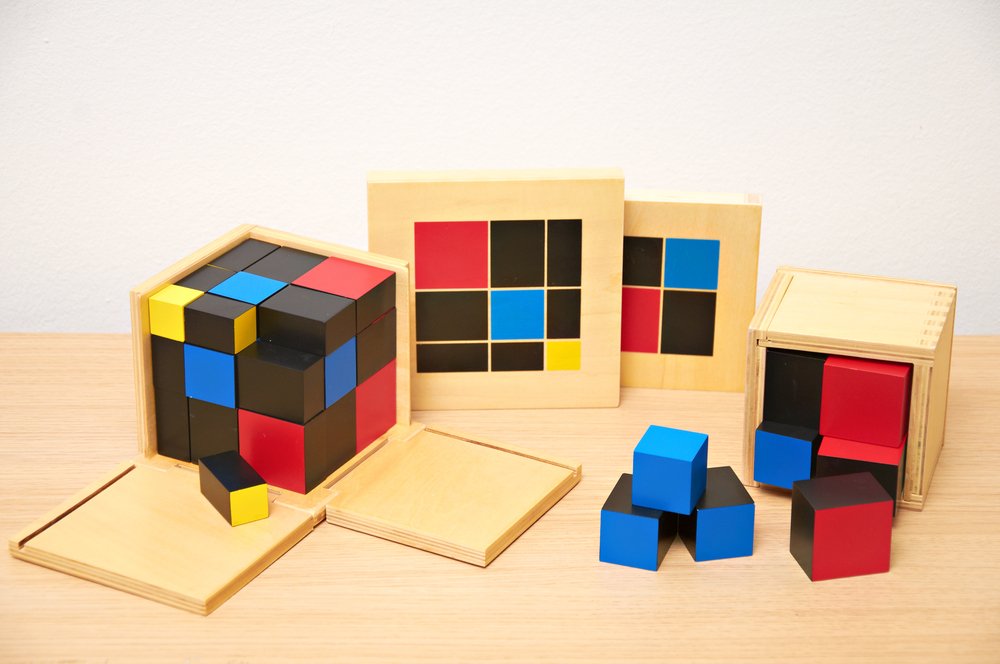
New research published in the Journal of Educational Psychology that come with thinking of core skills in early education this way. Researchers Arya Ansari (UT-Austin) and Adam Winsler (George Mason) explored how Montessori pre-K programs affected the school readiness of African-American and Latino children. Approximately 90 percent of all students in this study were from families qualifying for free or reduced lunch. Could it be that Montessori鈥檚 student-directed pedagogy is as effective as conventional approaches to pre-K instruction? The answer turns out to be surprisingly complicated.
The researchers measured student progress on pre-academic skills as well as social-emotional and behavioral metrics. In this study, Latino students were, on average, the least prepared on school readiness metrics when they began pre-K. Yet they responded particularly strongly to Montessori programs鈥攂y the end of the year, their school readiness scores were above national averages. The effects were significant enough that the researchers suggested:
If Latino children鈥檚 enrollment in Montessori pre-school programs is raised, this might help reduce the racial and ethnic gaps in achievement that exists between Latino and White children.
It鈥檚 worth emphasizing that all pre-K鈥攃onventional or Montessori鈥攈elped all students鈥� school readiness. But the study found that curricular effects varied with student demographics. African-American students saw larger school readiness gains in conventional programs than in Montessori.
Why might this be so? The researchers speculated that it could reflect the language backgrounds involved. The Montessori curriculum focuses heavily on phonics, which may help Latino students whose families speak Spanish at home. What鈥檚 more, Montessori programs emphasize student-driven, individualized instruction, which may best suit these students鈥� unique developmental paths. Finally, Montessori鈥檚 commitment to cultural openness may make these programs more naturally prepared to take an of students鈥� home languages and cultural backgrounds.
The study鈥檚 findings are very much at odds with how dual language learners are often treated in American public education. DLLs鈥� limited English skills are often a natural target for urgent, teacher-directed pedagogy that makes short-term English acquisition a priority above all other subjects, skills, and content. But the new study offers some evidence that this could be the wrong way to think about DLL students鈥� needs in the early years.
More 麻豆果冻传媒 the Author
Issues
Programs/Projects/Initiatives
Related

In 2026, States and Congress Will Need to Mitigate the Damage to PreK-12 Education
Identifying English Learners in Pre-K: State Policies, Rationale, and Practices

What to Know 麻豆果冻传媒 Education Funding in Biden鈥檚 Budget