How Do You Love What You May Soon Lose?
When my wife and I learned that I was miscarrying, we drove to the ocean. We walked by the water and let the grief rock out of us to the beat of our steps, to the beat of the waves.
Half a year later, I was pregnant again, and just like the first time, five weeks in, the bleeding began. This time, the doctors were less certain of the cause. 鈥淲e鈥檒l just have to see what happens,鈥� they told me. One day during those tense weeks, I went to the ocean again. The weather was cool and gray; in the sand were beautiful shells and stones. In the water was something I鈥檇 never seen before鈥攁 dark, shiny porpoise that would surface and sink and surface again. I talked to my baby. 鈥淚f you stay,鈥� I said, 鈥淚鈥檒l show you all of this. If you stay, I鈥檒l show you this incredible world.鈥� And this baby did stay. Eight months later, my son was born.
Now, as my child practices his first steps, I鈥檓 worried about the world I promised him. Recently, for instance, Californians received news that our . And of course, there鈥檚 that essentially said, as someone flippantly put it to me, that we have a decade left. That鈥檚 the span of my son鈥檚 childhood. Less, actually.
Much of the time, when my kid toddles into the room, I involuntarily stop whatever I鈥檓 doing and grin at him. I love him wholly, with a vulnerability that, when I stop to think about it, feels almost ridiculous. Because the best-case scenario鈥攖he one I hope for鈥攊s that he鈥檒l grow into a successful adult and leave me. Looming behind that, though, are the specters of things that could snatch him in scarier ways: illness, addiction, an accident. The reality, of course, is that over the course of my son鈥檚 life, there鈥檚 little of his thriving and safety that I can truly control.
These days, loving the planet feels similar: a foolish attachment in the face of staggering and imminent loss. I often find myself wondering: How do I love what I may soon lose?
Importantly, it reveals my immense privilege that this feeling鈥攍ove as a danger鈥攊s so new to me. In my almost four decades of life, I haven鈥檛 had to worry about family members being taken from me because of police violence or by ICE raids. My family鈥檚 relative privilege has also largely protected me from life-threatening illness, from incarceration, from the innumerable tragedies that break hearts every day.
In addition, until recently, I had the privilege of being willfully ignorant of climate change. Pretending that a warming world wouldn鈥檛 affect the people I love required both a desperate suspension of logic and a purposeful hardening of the heart. Recently, when a days-long downpour led to , my first thought was, 鈥淲ell, I can make sure that my son never lives next to a freeway.鈥�
Though, of course, I can鈥檛. Not really. Or else all parents would. Just like there wasn鈥檛 much I could do that smoky night during the Camp Fire, when and I woke to my son鈥檚 labored breathing. The air purifier in his room couldn鈥檛 fully protect him then, either.
So what do we do? How do we love鈥攐ur children, the planet they鈥檒l inherit鈥攚hen the threat is so real?
Like many people, I鈥檝e been reading a lot of work by the poet Mary Oliver, who died last month. In particular, I鈥檝e been re-visiting what she had to say about endings. And in response to the aforementioned question, I think that she鈥檇 have two things to say.
The : 鈥淢y work is loving the world 鈥� / Let me / keep my mind on what matters / which is my work / which is mostly standing still and learning to be astonished.鈥�
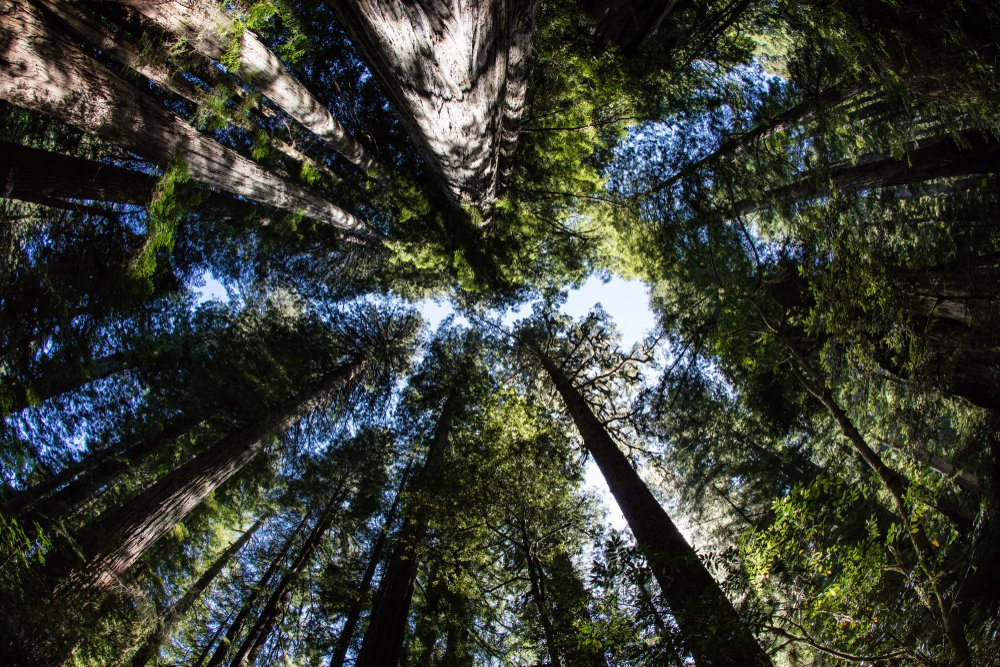
Put differently, we don鈥檛 get to choose whether to love our kids. We love them because we鈥檙e wired that way. Because it鈥檚 our work. We love them because it helps us achieve that elusive sense of connection to the universe, a feeling that you can also sometimes catch when you鈥檙e peering down at a carpet of evergreens from the top of a peak, or when you鈥檙e standing at the edge of the water next to thunderously crashing surf.
We鈥檒l hold the precious things of the Earth gently, while we still have them鈥攏ot to prevent them from breaking, but because we know that, eventually, they will.
We love our kids like we鈥檒l have them forever, though we know that we won鈥檛. We cherish the moments we can: resist the pull of technology and to-do lists, get down on the floor and play with them, hold them as they fall asleep.
Maybe this is also what I鈥檒l teach my son about loving the planet. We鈥檒l go to the ocean and stand before it, astonished. We鈥檒l hold the precious things of the Earth gently, while we still have them鈥攏ot to prevent them from breaking, but because we know that, eventually, they will.
And the from Oliver: 鈥淚 tell you this / to break your heart / by which I mean only / that it break open and never close again / to the rest of the world.鈥�
Here, Oliver acknowledges that the abundance of suffering in the world can lead many of us to narrow the scope of our care to just a few people. For some, the nucleus of this care is their families. The wind outside may howl, we think, but if we can build our little house and lock the doors tightly and huddle closely together, we鈥檒l be okay.
Central to this line of thinking is the fallacy of control: that our actions鈥攊ncluding stockpiling resources for only our loved ones鈥攃an shield us from harm. Climate change is one thing that upends this belief. While than those who have them, the truth is that nobody is really safe.
Indeed, this is the terror of climate change. But it may also be its promise, ushering people like me into the sense of existential vulnerability that many have known for a long time. This vulnerability demands that we expand our circle of empathy鈥攔eevaluate who merits our love and, in turn, our care. It means acknowledging that, in some ways, people dying of air pollution in a seemingly faraway land aren鈥檛 so different from the man who lived next to the highway, or from my son who has trouble breathing when there are wildfires.
With this more expansive vision of care comes more responsibility鈥攏ot just to love the world, but also to protect it, because what you do for your neighbor is also what you do for yourself.
So my family will follow Oliver鈥檚 advice: We鈥檒l witness the beauty of what we have while it鈥檚 ours, and where it鈥檚 possible to do so. We鈥檒l also choose to look at loss head-on, because telling the truth, even when it鈥檚 scary, is part of loving, too.
More 麻豆果冻传媒 the Author
Issues
Programs/Projects/Initiatives
Topics
Related
Art & Advocacy: Comedy 麻豆果冻传媒 Making it in America
Can California Plan for Equitable Growth in the Face of Climate Migration?
Community Priorities for Public Policy