Groundswell: Bridging the Gaps
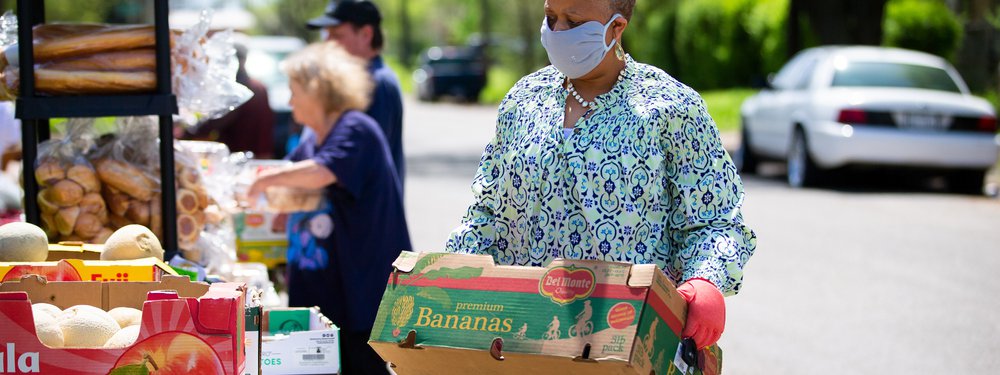
Last week鈥檚 federal mandate to extend social distancing guidelines spelled unwelcome, but not unexpected, news: COVID-19 isn鈥檛 going away anytime soon. Amidst all this uncertainty, people around the country are stepping up to support one another鈥攁nd in this week鈥檚 Groundswell, we鈥檙e spotlighting non-profits, grassroots efforts, and local governments that are helping those who have been hit hardest.
First, in California, nonprofit is reaching out to workers impacted by the pandemic. The organization runs a national text line that provides guidance for thorny workplace issues, and it recently launched in response to what founder and executive director Jaime-Alexis Fowler calls 鈥渁 huge surge in need鈥� since the start of the COVID crisis.
鈥淲e've seen a 197% increase in message volume the last two weeks of March,鈥� said Fowler. 鈥淭here's been so much focus (and rightly) on the economic variables and not enough on the mental health of workers right now. And they're hurting.鈥�
According to Fowler, Empower Work has received an influx of questions about hours cut, ethics (e.g., companies asking employees to come in despite shelter-in-place orders), financial concerns, and worker mistreatment. The text line is a crucial resource amidst this confusion, she said鈥攈aving a space to talk through difficult situations and receive support from trained peer counselors can bolster both mental health and economic security.
鈥淭his [crisis] is going to have a ripple effect for people's careers and work for years to come,鈥� said Fowler. 鈥淧roviding the right support right now can make that less of a tidal wave.鈥�
Elsewhere, the Arizona Community Foundation (ACF) has established the to support nonprofit organizations鈥� efforts. ACF has raised close to $7 million so far, and it鈥檚 committed to moving resources and adapting quickly to evolving community needs. For example, to help expedite the application process, the foundation is requiring only a simple one-page online form from nonprofits; applications are approved on a weekly basis, with a 5-7 day turnaround. One of the first funding recipients was the Tempe Community Action Agency, which aids vulnerable populations with everything from food access to utility bills. The emergency funds will help the organization create a drive-through service for senior center meals to help limit the exposure of senior citizens.
Meanwhile, in Indianapolis, grassroots efforts rule: at a senior living community, residents with excess food or supplies are leaving surplus in the common area for residents who are struggling. This spirit of solidarity can be seen across the city: Residents are sharing their struggles via neighborhood associations and social media platforms (including the NextDoor app), and their needs are being met by mutual aid groups and individuals alike, according to neighborhood activists and church volunteers. On Facebook, people are offering grocery runs and yard work to any vulnerable folks who might need help.
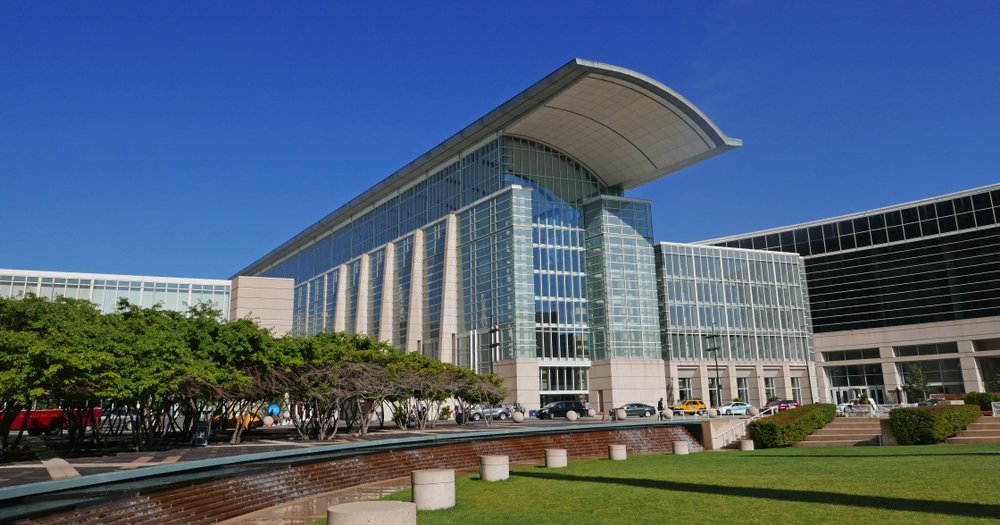
And in Chicago, some unexpected institutions are contributing to the response. With citywide hospitalizations expected to , state and local officials are working with the National Guard and the Army Corps of Engineers to convert McCormick Place鈥擟hicago鈥檚 massive lakefront convention center鈥攊nto an . Five hundred beds and 14 nurses鈥� stations were completed between March 27 and April 3; altogether, the completed facility will serve up to 3,000 patients.
These are just a few examples of community resilience and mutual aid in this time of crisis. If you have similar stories from your community, please reach out at [email protected]鈥攚e鈥檇 love to feature them in future installments of Groundswell.
More 麻豆果冻传媒 the Authors

Autumn McDonald

Molly G. Martin
Vice President of Development & Strategy

Megan E. Garcia
Meegan Dugan Adell
Director, 麻豆果冻传媒 Chicago

Rachel Alexander
Related
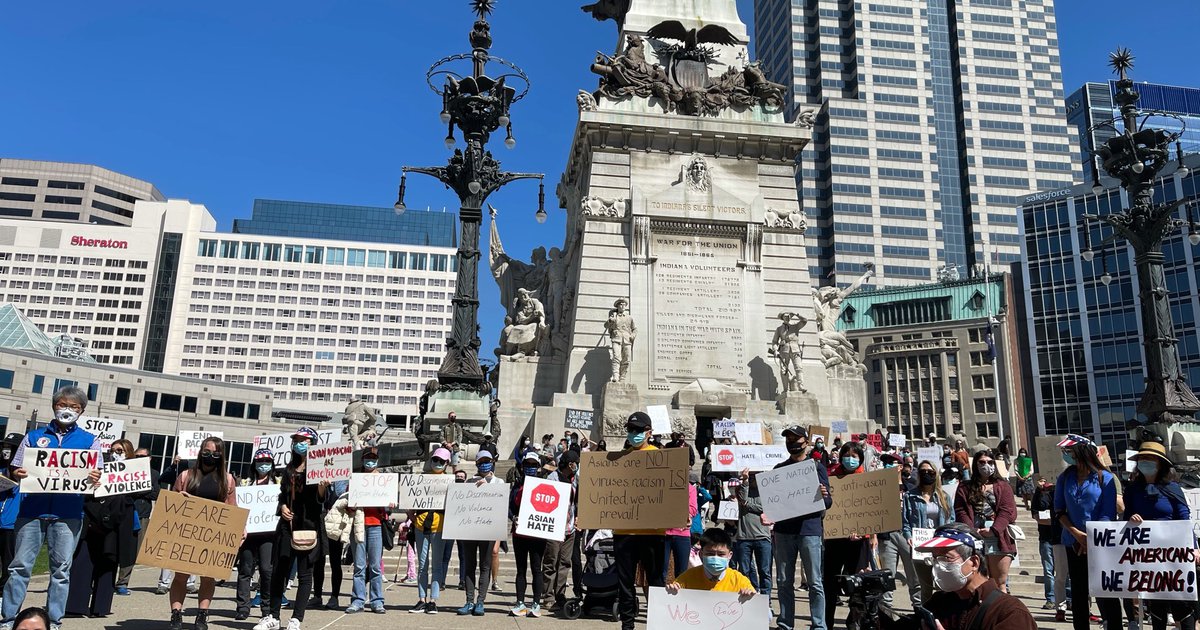
We Live Here

Groundswell: In the Midst of the Pandemic, Pride Perseveres
Groundswell: How to Fight for Black Lives in the Midst of a Pandemic