A Chapter of: Great Power Resource Competition in a Changing Climate
Spotlight on Highly Contested Resources
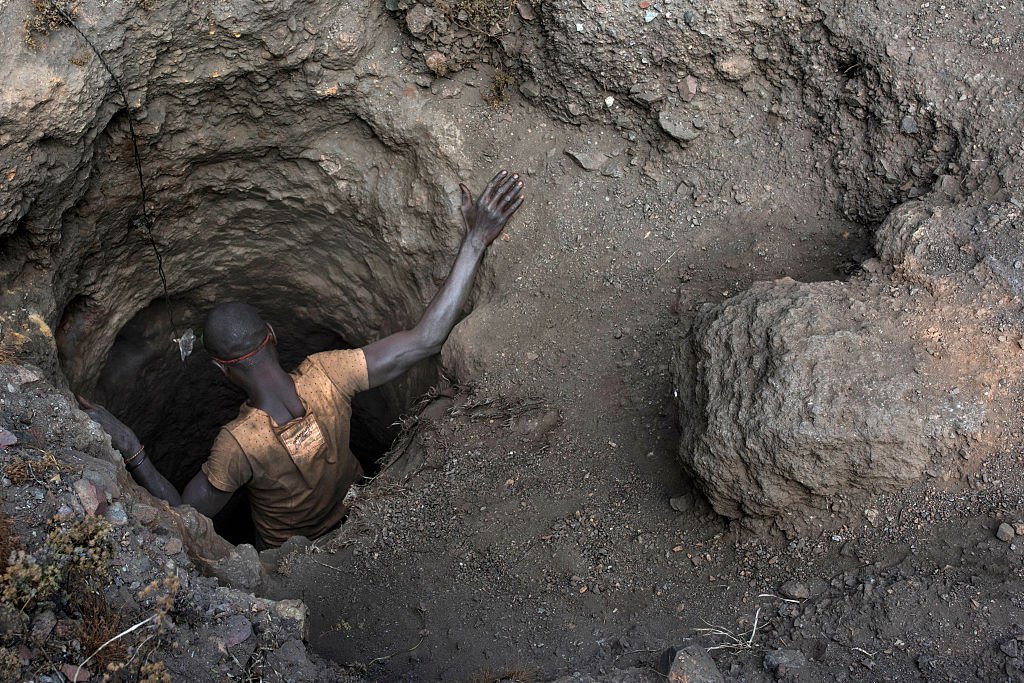
Photo by Michael Robinson Chavez/The Washington Post via Getty Images
Cobalt and Lithium
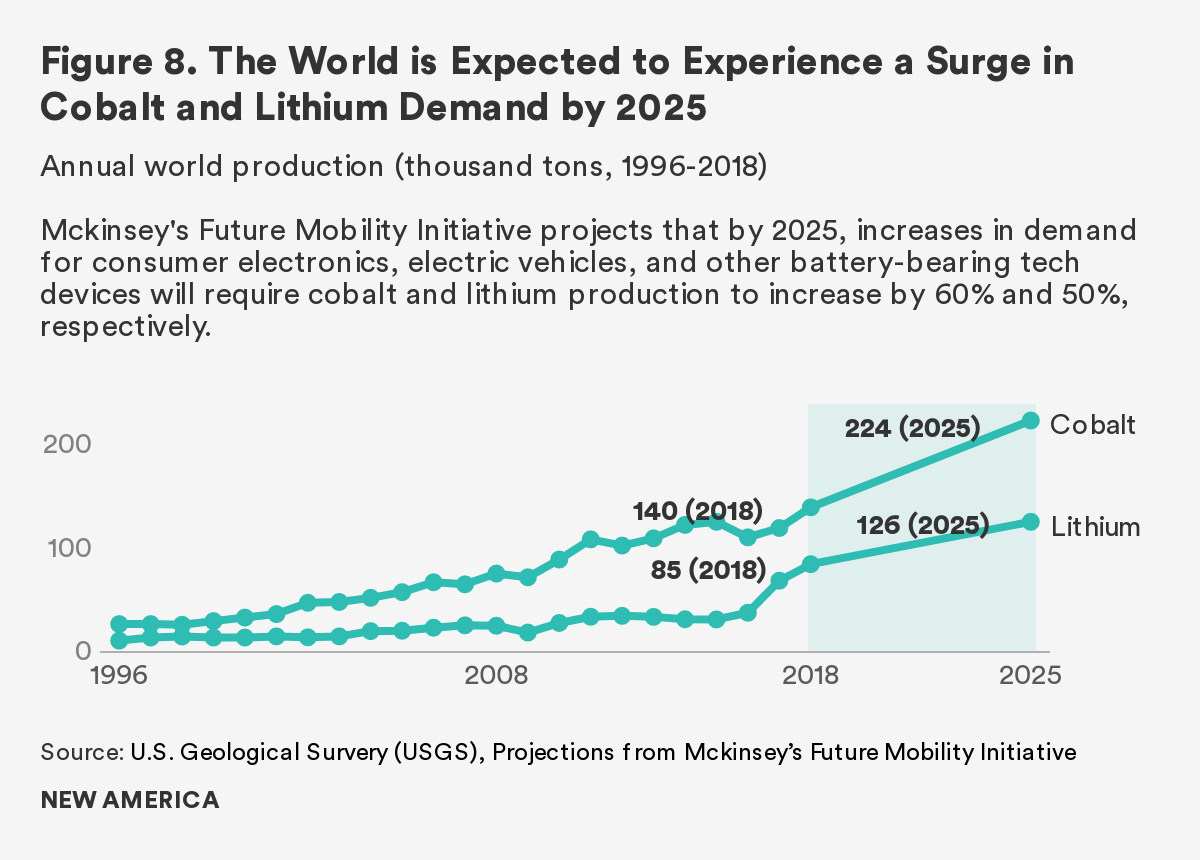
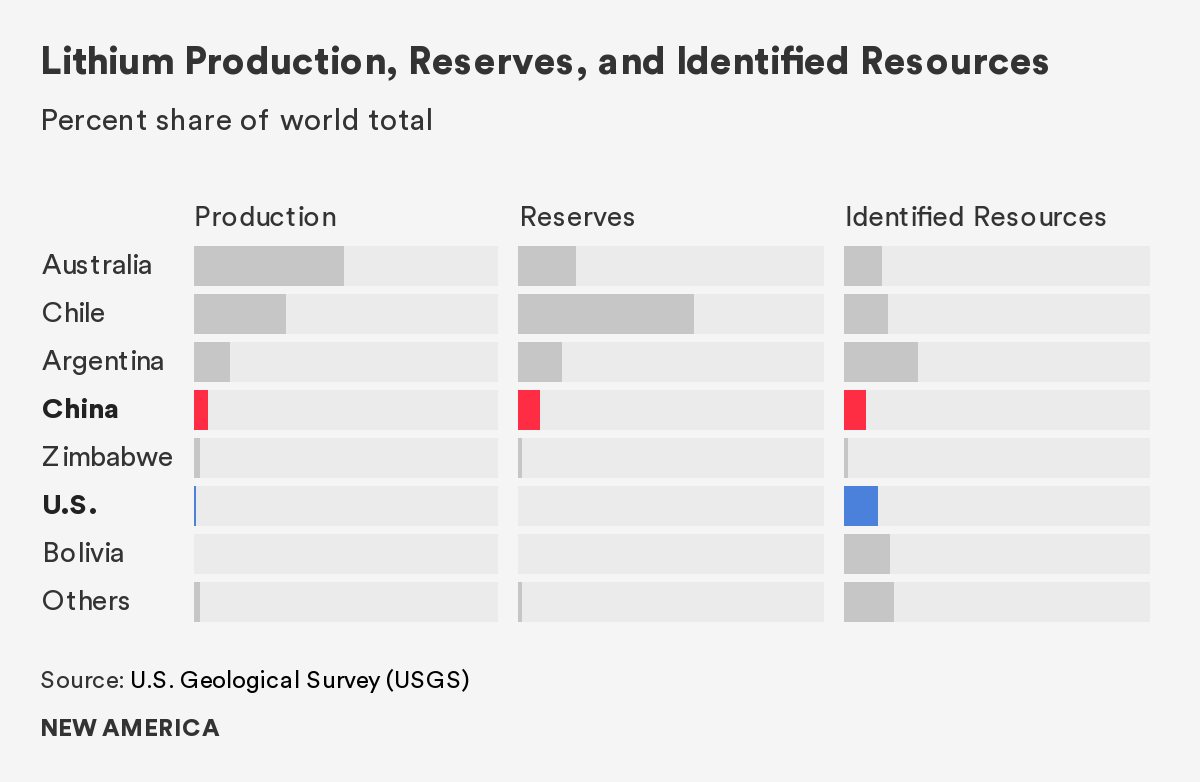
Lithium and cobalt have a wide range of industrial and commercial uses, with batteries for portable electronics and electric vehicles driving increased demand in recent years. In the coming years, the electric vehicle (EV) industry, in particular, will continue to push demand for both minerals. According to , global EV production is expected to reach as high as 13 to 18 million units by 2025, a 200 percent increase from 2018 levels. Based on the most recent data for global production, that means lithium production will have to increase 50 percent and cobalt by 60 percent by the year 2025 to meet demand. were up 53 percent from 2016, and the nation鈥檚 aim to continue this trend. For perspective on how this may influence demand, a typical smartphone contains , while an EV needs between 4 to 30 kilograms. China and the United States are likely to increase imports of cobalt and lithium to meet this escalating demand. The United States does at home, though the exact amount is proprietary, and there鈥檚 modest potential for growth with additional, untapped reserves. China produces some lithium at home, as well, and could potentially be producing more, given the of its reserves. Nonetheless, both countries import more than 50 percent of the lithium they currently consume, mostly from Argentina and Chile, where China has significant investments in lithium mines.
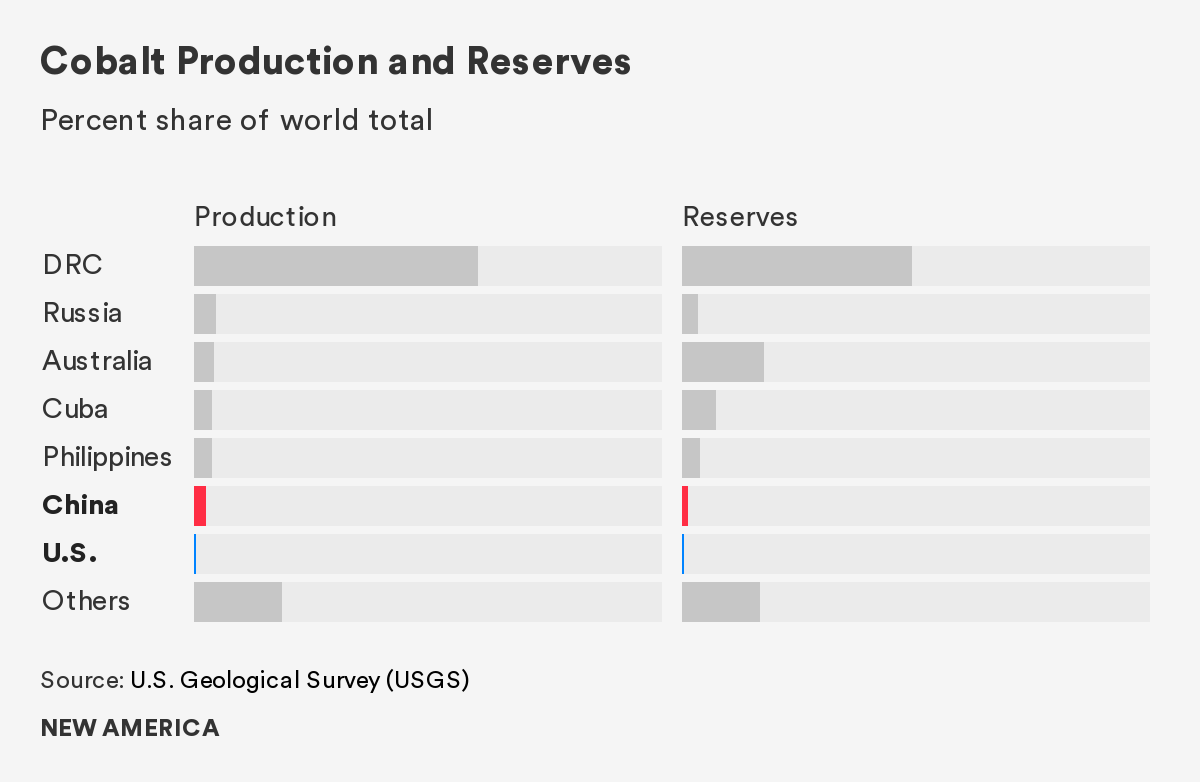
As for cobalt, 82 percent of China鈥檚 total supply comes from the Democratic Republic of the Congo, the largest producer of cobalt ore. Yet China is increasingly integrating itself as a critical step in the cobalt supply chain, investing in cobalt mining in the DRC and processing domestically.1 China now possesses over half of the world鈥檚 cobalt refinery capacity. The United States primarily imports refined cobalt, and looks to Norway (14 percent), Japan (9 percent), and China (9 percent) for its supply (note that the cobalt did not originate in these countries).
Niobium
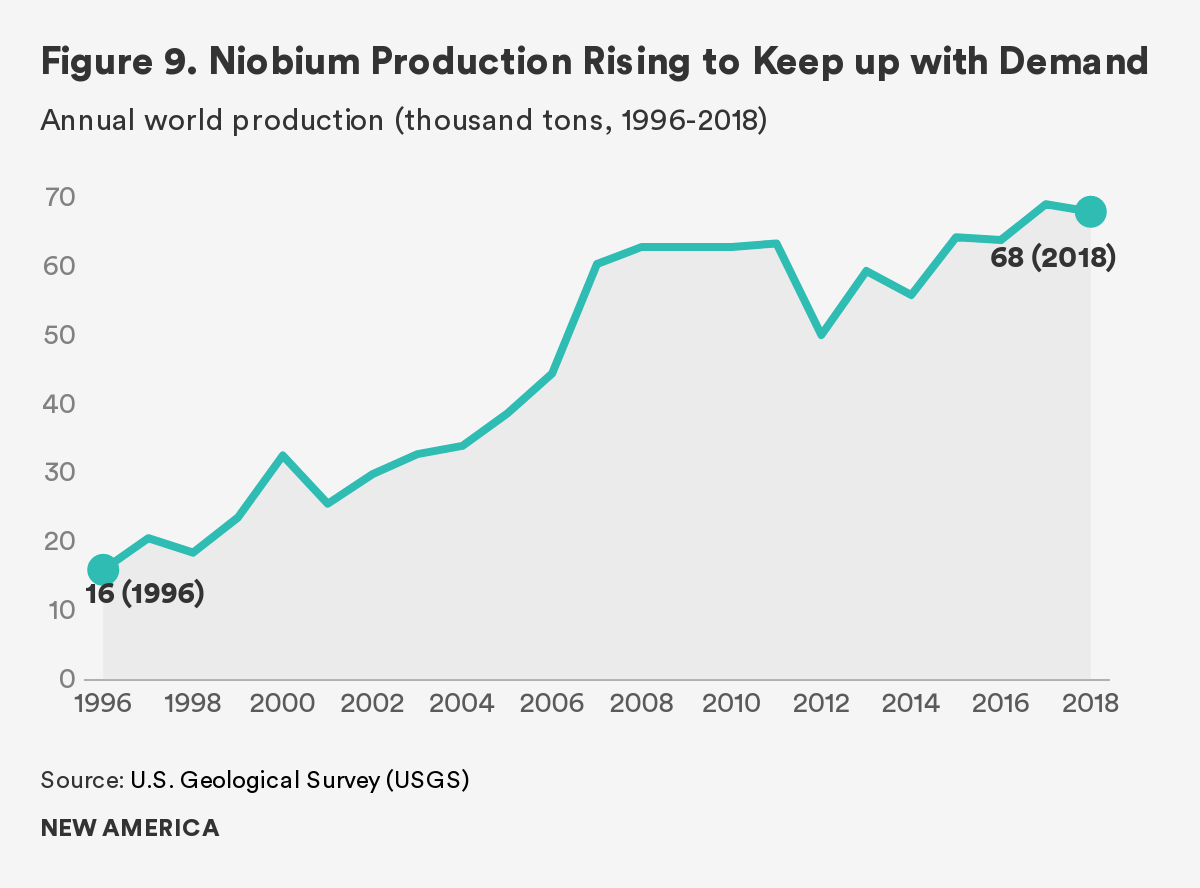
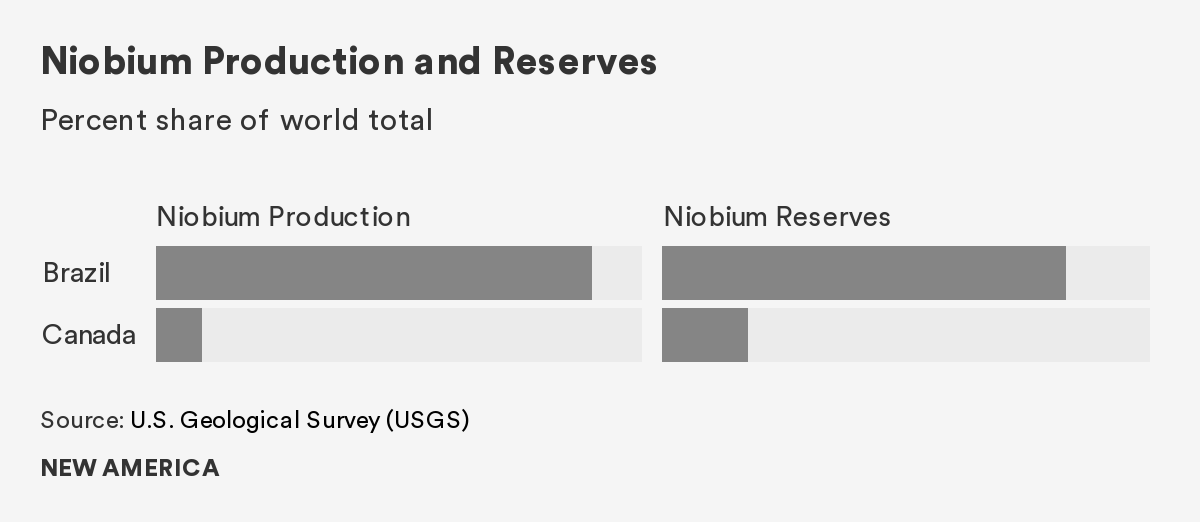
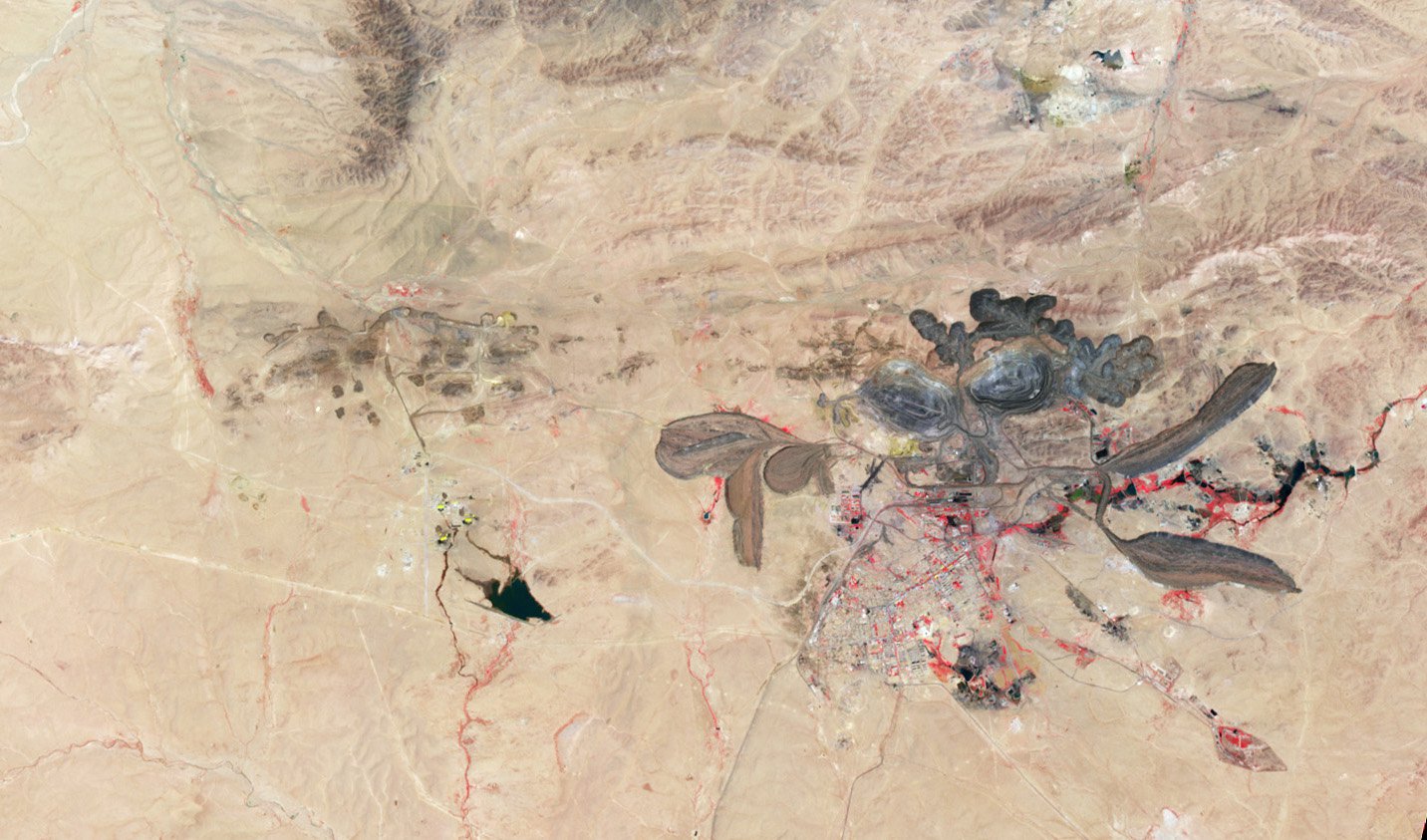
Niobium鈥檚 primary use is in producing stronger, less corrosive, and more heat-resistant steel for everything from to superconducting magnets for MRI machines and smartphones. Niobium production is highly concentrated in Brazil, with Canada being the only other significant global producer. Geologically, , especially in economically recoverable concentrations, and Brazil will continue to dominate world supply. Both China and the United States import niobium for electronics and related technologies, as well as for steel alloys.
Soy
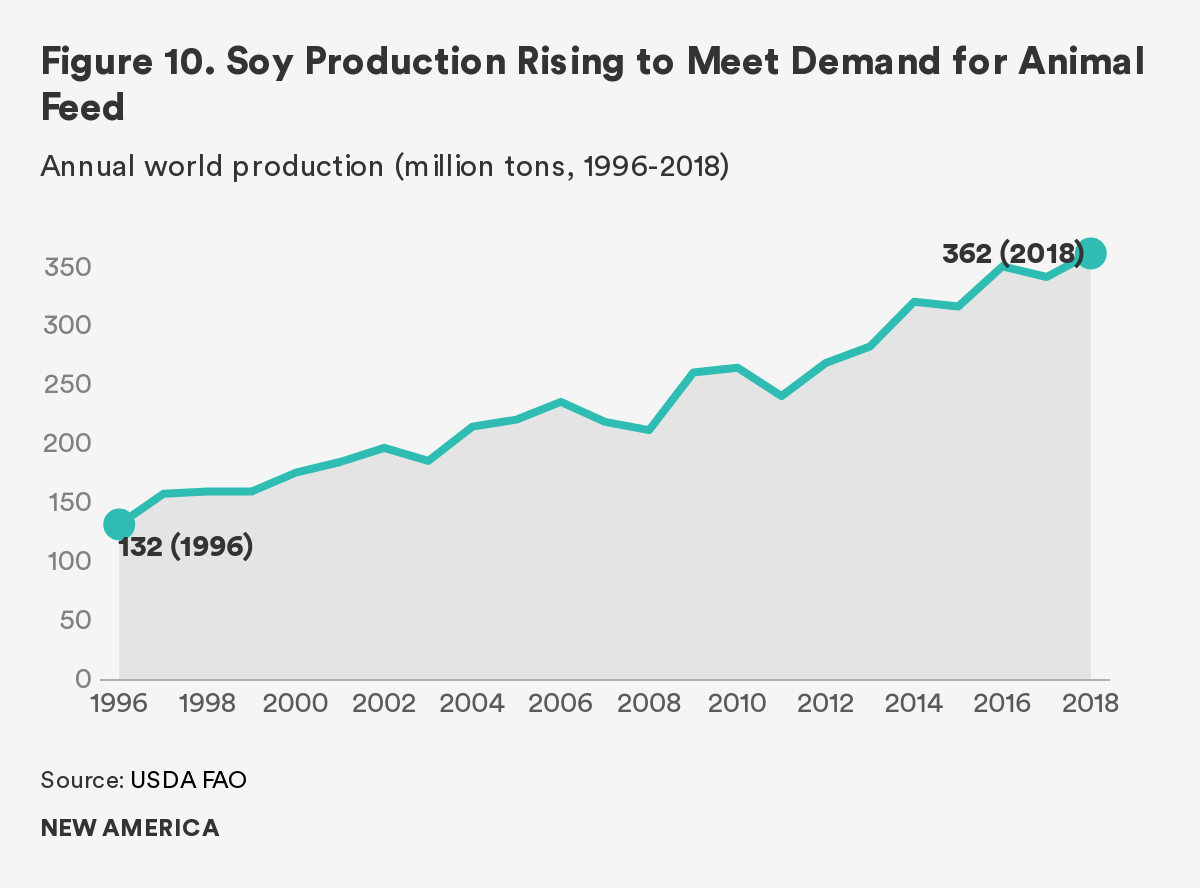
The United States is the world鈥檚 largest soy producer, followed by Brazil and Argentina. China, the , domestically meets 13 percent of demand, and imports the rest from the United States, Brazil, and Argentina.
While the soybean is and remains a cornerstone of the Chinese diet, it is the among China鈥檚 growing middle class that is pushing up the demand for soy as animal feed, beyond what the domestic supply can meet.
Given China鈥檚 political emphasis on , its dependence on imports for a native crop is striking. With only of the world鈥檚 arable land to feed 21 percent of the global population, it would be a challenge for China to by much.
The United States owes its status as a soy powerhouse to China. While U.S. soy production increased steadily in the latter half of the twentieth century, it skyrocketed only when Chinese demand took off in the mid-1990s.
The high-volume, high-value international soy market is vulnerable to disruption, including from weather. In 2010, global soy production dipped when Canada experienced a wet summer, while Brazil and Argentina suffered a drought; the price of soy . Climate change will increase the frequency and severity of such extreme weather, so erratic on international markets may become more common.
Palm Oil
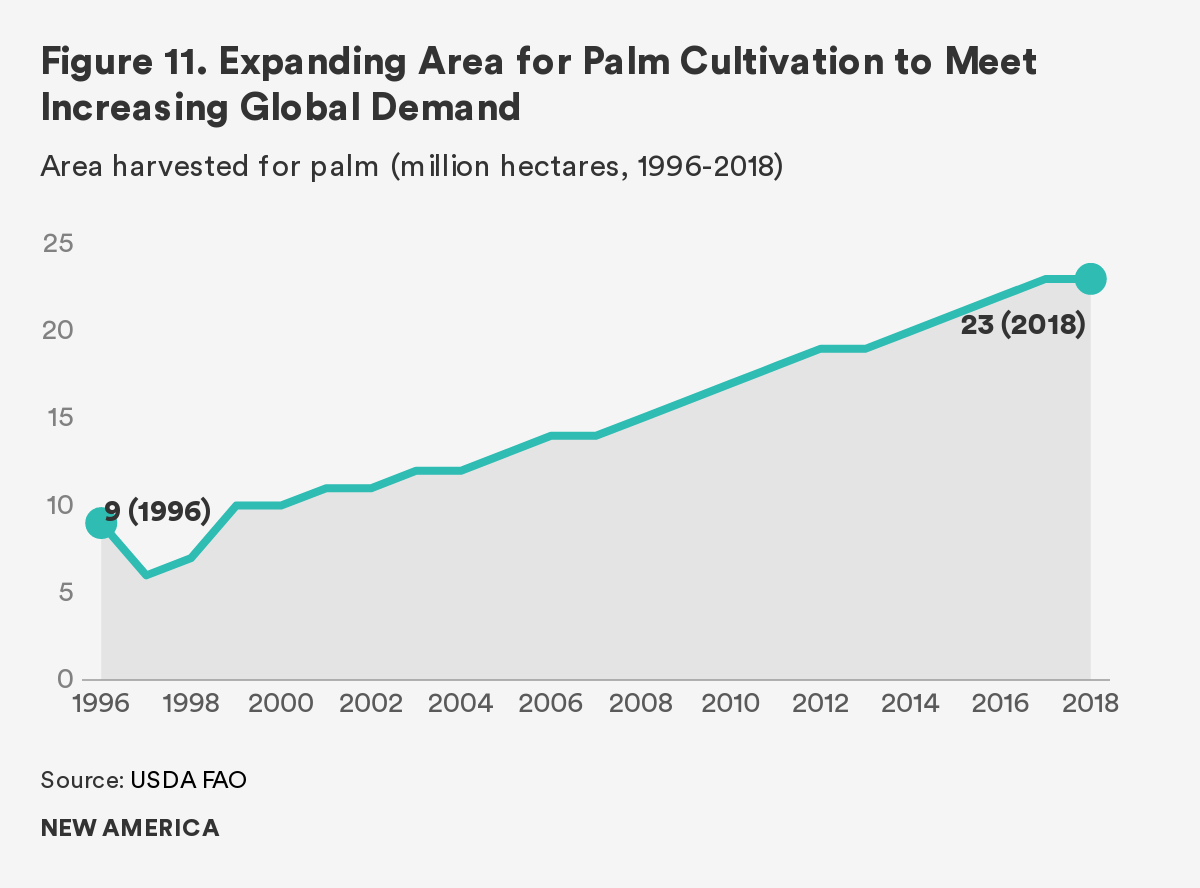
Palm oil consumption is rapidly growing. It now accounts for a third of vegetable oil used globally, replacing hydrogenated vegetable oil and butter in processed food, and is used in a wide variety of other products, such as .2 Palm oil-derived biofuel consumption has also increased as governments race to displace greenhouse gas emissions and issue . Palm oil production is heavily concentrated, with Indonesia and Malaysia as the most prominent global suppliers. As neither America nor China produce palm, both countries rely overwhelmingly on Indonesia and Malaysia to fulfill demand.
Increasing the land devoted to palm oil production has consequences, however. Palm grows best in the same climate as tropical forests. Since 2000, the land area devoted to producing palm has increased by 125 percent, which has resulted in a pushback from local communities and international organizations due to associated deforestation, air pollution from land-clearing fires, and resulting greenhouse gas emissions. Worryingly, other countries, including Brazil, are looking to , putting tropical ecosystems at risk.
Citations
- Andrew L. Gulley et al., 鈥淐hina鈥檚 Domestic and Foreign Influence in the Global Cobalt Supply Chain,鈥� Resources Policy 62 [August 2019], pp. 317-323.
- Garrett McDonald and Arif Rahmanulloh, Indonesia Oilseeds and Products Annual 2019, USDA Foreign Agricultural Service [March 15, 2019].