Cara Sklar
Director, Early & Elementary Education Policy
Q&A with Nonie Lesaux, Stephanie Jones, and Emily Wiklund Hayhurst
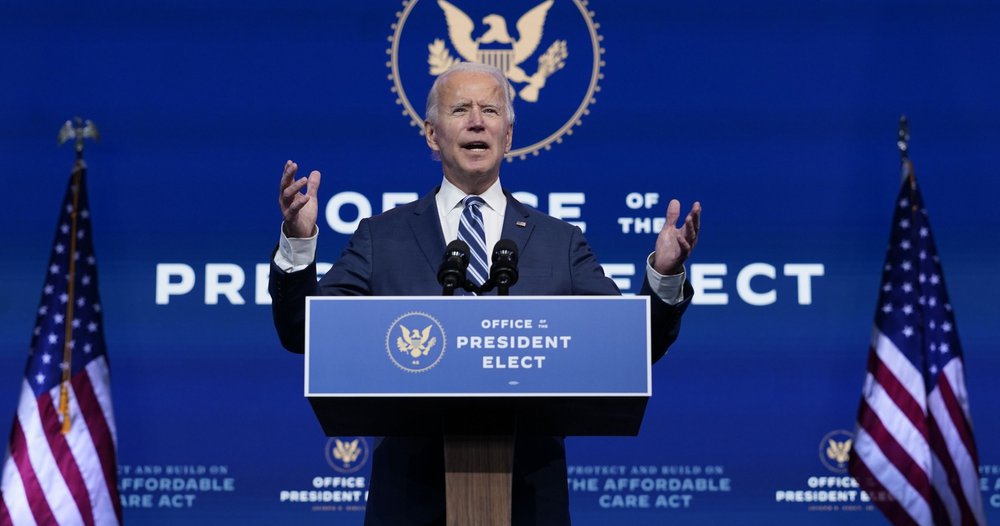
The coronavirus pandemic is putting unprecedented strain on the nation鈥檚 early learning system. Our newly elected officials have the opportunity to make bold, transformational change. To learn how the latest early learning research can inform policy solutions, I interviewed Nonie Lesaux, Stephanie Jones, and Emily Wiklund Hayhurst of Harvard University's . They offer recommendations for what the Biden administration, 117th Congress, state leaders, and advocates should prioritize to build a stronger early learning system.
While our nation has made some progress improving systems of early learning, we have yet to realize the best possible systems. What should the Biden administration prioritize around building a strong, unified, and well-resourced early learning system?
Looking forward, the new administration has a tremendous opportunity to advance a stronger, more resilient system of early education and care 鈥� one that successfully achieves the Biden administration鈥檚 goal of 鈥渂uilding back better鈥� after a year of immense challenge for American families. This system would provide stabilizing funds and sustained funding streams that recognize child care as the public good that it is. The approach would also support all aspects of what we call the 鈥渕ixed-delivery鈥� system鈥攁 system with many different types of care settings, from home-based care through to public school pre-K. To accomplish this quality improvement at scale, this new system would seek to provide opportunities for practitioners and leaders鈥攖he cornerstones and linchpins to quality鈥攖o develop and enhance their key competencies and skills, and it would incentivize and reward quality improvement. Finally, getting there will also mean creating a more dynamic, actionable link between science and decision-making, leveraging our that define high-quality early learning settings, irrespective of specific program type, to make smarter, more sustainable decisions and investments in the system.
The coronavirus pandemic and economic crises create an immediate need for investment in early learning. How should the Biden administration tackle both immediate and long-term support for early childhood policies and programs?
There鈥檚 no doubt that immediate, stabilizing funds are needed to ensure providers can continue to and/or reopen to offer safe, high-quality education and care. But we can鈥檛 stop at the crisis. Simultaneously, the Biden administration should commit to a long-term plan for improving the system as a whole, incorporating the components we describe above. This will mean coupling a big, ambitious vision for the future with a highly detailed and feasible plan for making that vision a reality. The plan should reflect new and ongoing research that shows what works and for whom, and reflects today鈥檚 demographics, challenges, and contexts.
Equally important, there is a need and opportunity to attend to how new investments are framed for and discussed with policymakers and the public. Historically, the approach to case-making has been to focus on the long-term benefits of early education and care for those who participate. While these benefits are important, this narrative also conjures up the idea that this investment may be a 鈥渘ice to do鈥� rather than 鈥渘eed to do.鈥� In reality, early education and care advances children鈥檚 early learning and development, and it鈥檚 crucial for society given that .
Congress is an essential player in improving our early learning systems. What are some strategies for moving beyond talking points and campaign promises to real investment in early learning?
The challenges of the past 10 months have made it ever more clear how fundamental the child care system is to American families, communities, and the economy; Congress has a great responsibility鈥攁nd opportunity鈥攖o help improve this system. Fortunately, there are signs that the new Congress will be well-positioned to make early education a priority, including that Senator Patty Murray (D-WA), a former preschool teacher and longstanding champion of early learning, is now .
In the short-term, it will be crucial to include child care as a core policy and funding priority in any future COVID relief bills. From a bigger-picture perspective, early education priorities should be part of a broader and more holistic education system, rather than a separate cause. In the everyday, all types of child care settings, including universal pre-K, and K-12 education, are deeply intertwined in the lives of today鈥檚 children and families. Finally, to ensure meaningful and sustained quality improvement, Congress should craft policies and investments that focus on the cornerstone of the system鈥攖he adults鈥攂y creating professional and financial supports for the early education professionals who shape the settings where young children learn and grow.
Candidates at the state and local levels featured early childhood prominently in their platforms. Significant child care policy and investment is decided at the state and local levels. What is your advice for state and local officials for bringing research to bear on policy making?
State and local leaders have a critical role to play in creating a better system of early education and care. Beyond some of the approaches and strategies described above, these leaders can focus on developing strong, connected systems of communication and governance that will help them enhance coordination across complex programs and funding streams. In part, this means providing the professionals in this complex system with opportunities to strengthen the kinds of leadership and communication skills, and the professional networks, that are needed to work together toward common objectives and goals. State and local leaders can also learn from others who have found success in 鈥渟tarting small.鈥� Alabama, for example, began building their statewide system by supporting a small number of high-quality, well-coordinated programs that could later serve as a model for future refinement and expansion.
Early learning advocates are incredible. They have played a critical role educating decision-makers and the public about the importance of investing in early childhood programs and services. What is your advice for advocates as they wrestle with the conundrum of promoting that the limited pot of money allocated for early learning goes either toward greater access or improved quality?
Advocates have been instrumental in advancing conversations about early education and care鈥攁nd the importance of treating it as a public good鈥攁mong decision-makers and the general public. And they have long had to negotiate a delicate balance related to expanding access and affordability while improving quality with limited resources. Going forward, advocates will have an important role to play in moving policymakers and the public away from thinking about access and quality as a zero-sum game; advocates can support an 鈥渁ccess plus quality鈥� approach by detailing how the availability of more and better child care helps meet children鈥檚 and families鈥� needs and creates a stronger society. Advocates can also leverage decades of research that shows how investing in early educators鈥攊ncluding through better professional learning opportunities, professional networks, and equitable, living wages鈥攈elps them create better, more responsive learning environments for the children they serve.
is a professor at Harvard University and co-director of the .
is a professor at Harvard University and co-director of the .
Emily Wiklund Hayhurst is the Assistant Director of Learning Design and Communications at the .
Enjoy what you read? Subscribe to our newsletter to receive updates on what鈥檚 new in Education Policy!
Director, Early & Elementary Education Policy