Elise Franchino
Program Manager, National Commission on Learning Ecosystems
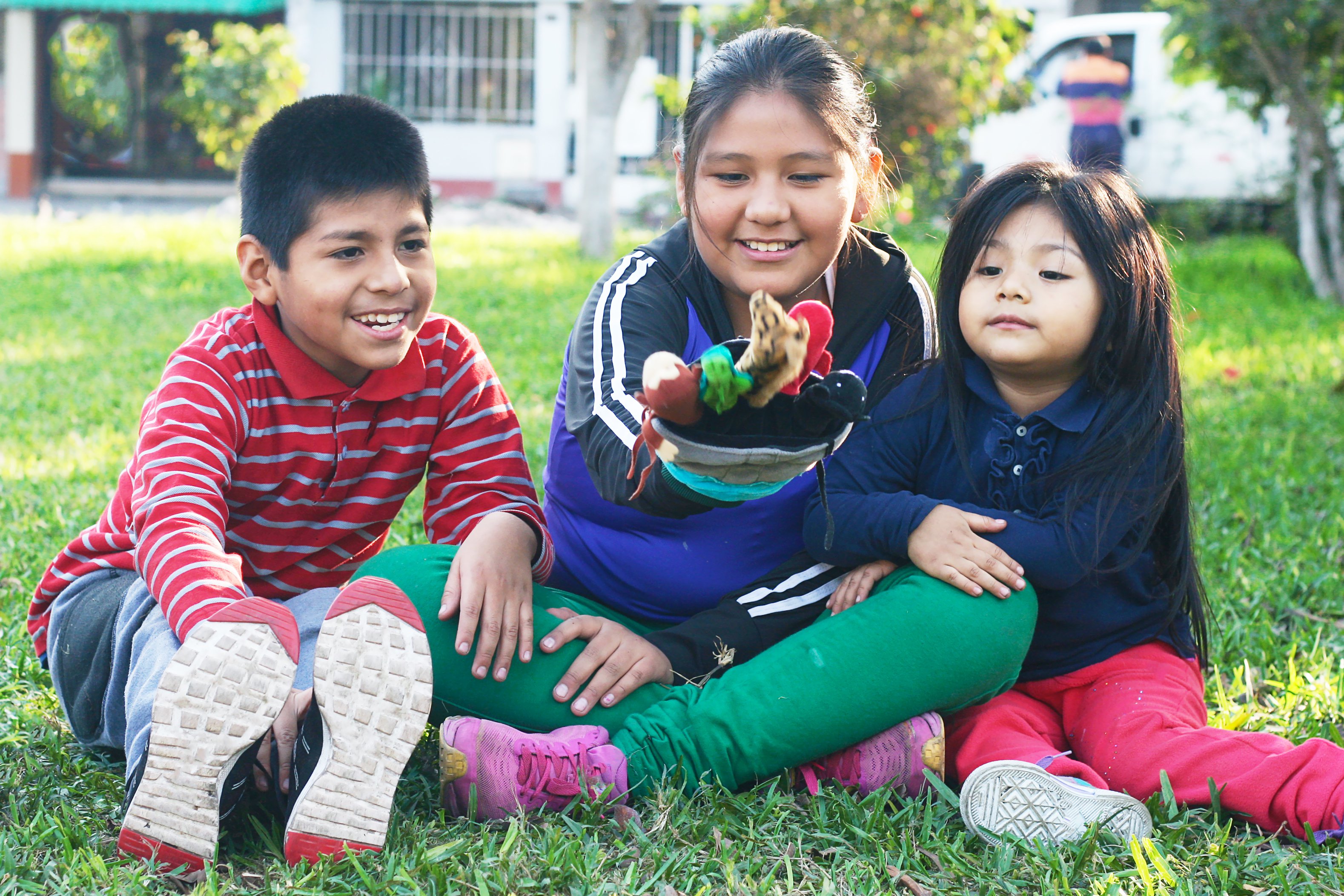
Over of Head Start programs have temporarily closed since the COVID-19 outbreak began. These closures include Migrant and Seasonal Head Start programs, which provide early education, nutrition, and health services to agricultural workers and their families. Agricultural workers, who are particularly to the virus and many of whom were from stimulus relief, now have the added strain of finding child care, while Migrant and Seasonal Head Start programs do their best to support families from afar.
(MSHS) programs, first established in , provide high-quality early learning experiences for children from birth through age five. To be eligible for MSHS enrollment, families must earn the majority of their income from agricultural labor and meet Head Start qualifications, including income below the federal . As of , 62 MSHS programs received federal funding to serve 28,591 children in 38 states.
MSHS programs help connect children and families to critical including medical and dental screenings, mental health services, and referrals to public assistance programs. In addition, the program helps to strengthen and build upon children鈥檚 , which is predominantly Spanish.
I spoke to Christine Alvarado, Chief Innovation Officer at the (ECMHSP), days after the organization determined that in-person services and learning would be cancelled. 鈥淚t was one of the hardest decisions we have ever made,鈥� Alvarado remarked.
ECMHSP operates 37 centers across seven states on the east coast and serves 2,273 children, or roughly one in 10 MSHS participants. Many ECMHSP programs had not yet opened by mid-March, as programming coincides with the harvest cycle of crops, but 12 centers were operating and 772 children were in attendance the day that centers closed.
ECMHSP鈥檚 first priority was to ensure that children and families had access to food. Given that families work long hours and live in rural communities with limited public transportation, distribution proved a challenge. Additionally, the (CACFP), which provides snacks and meals to Head Start affiliates, had strict guidelines misaligned with the community鈥檚 current needs.
For example, while CACFP offered waivers to allow grab-and-go meals, daily distribution was still required. 鈥淚t鈥檚 not realistic for them to come to us every day, even if it is in the evenings, and pick up food for their children. The need is just greater than that,鈥� Alvarado explained. Acknowledging this, ECMHSP used a separate funding stream to deliver 20 pounds of rice, 20 pounds of beans, and numerous nonperishable food items to each family they serve.
Attending to children's education needs was also a priority for ECMHSP. Each box of food delivered included books and learning materials in childrens鈥� home language. ECMHSP staff has also been calling families twice each week to maintain communication and provide distance learning support with suggested early learning activities. A needs-assessment is currently underway to gauge families鈥� need for devices and .
Despite Head Start鈥檚 attempts to support early learning remotely, the majority of agricultural workers are still in need of in-person child care. According to a 2019 , 84 percent of MSHS eligible families have more than one child living in their home and 15 percent of MSHS families have more than one child under the age of six. As Alvarado emphasized, 鈥淲e know that if parents are still working, there鈥檚 going to be a need for child care. And if we鈥檙e not there for them, their choices aren鈥檛 going to be great.鈥�
MSHS families needing care are faced with limited options. Some parents are relying on family and . Other families are paying for child care or arranging for only , drastically reducing MSHS families鈥� already insufficient income. are also providing care for younger siblings, which can add disruptions to precarious K-12 distance learning situations for siblings enrolled in school.
Center- and home-based care options are also minimal. Roughly of all child care providers have closed, while those that remain are urged to and capacity. When child care is available for , the children of healthcare workers are over the children of agricultural workers, leading to increased scarcity.
When family members, neighbors, siblings, and providers are not available to care for children, they the fields, which brings added risk鈥攅xposure to pesticides, livestock, extreme temperatures, and farming equipment can prove , especially to young children.
Advocates and policymakers have taken note of the needs of agricultural families and proposed several solutions. The called on to offer child care assistance while schools are closed and advocated for , which could be used to cover child care costs. The urged Congress to include mental health support for children, families, and staff, as well as technology to support remote services, in the next relief package. Among other recommendations to protect farmworkers, the called for additional federal appropriations for MSHS programs to supply much needed child care. Finally, in mid-April, the wrote a letter to House and Senate leaders outlining policy recommendations to support the nation鈥檚 essential agricultural workforce, which included funding and flexibility for MSHS programs.
Acknowledging the urgent need to support agricultural families, are beginning to consider reopening, including the , which will be providing remote learning, food support, and services until their scheduled reopening June 22nd. Providers know that the scope of what MSHS families need is much more than what can be provided at a distance and are eager to provide children with a safe, healthy learning environment once again.
For more stories about overcoming the challenges of COVID-19, check out 麻豆果冻传媒鈥檚 Strengthening Child Care and Early Education: Learning from COVID-19 page.
Interested in staying up to date on education and workforce policy? Subscribe to our newsletter to receive updates on the latest from our experts.
Program Manager, National Commission on Learning Ecosystems