What Happens When an ISIS Fighter Wants to Come Home?
With the gradual loss of ISIS territories in Iraq and Syria, many of its fighters and supporters are being detained in Kurdish-run camps. But what happens when they want to come home?
Hoda Muthana is a 23-year-old American from Alabama who joined ISIS in 2015. She鈥檚 now currently detained in a Syrian Kurdish-controlled camp along with her 2-year-old son, who has an ISIS birth certificate. Her to come back to the United States to face trial has captivated the public. It has also put the Trump administration鈥檚 lack of policy in this arena in the glaring spotlight.
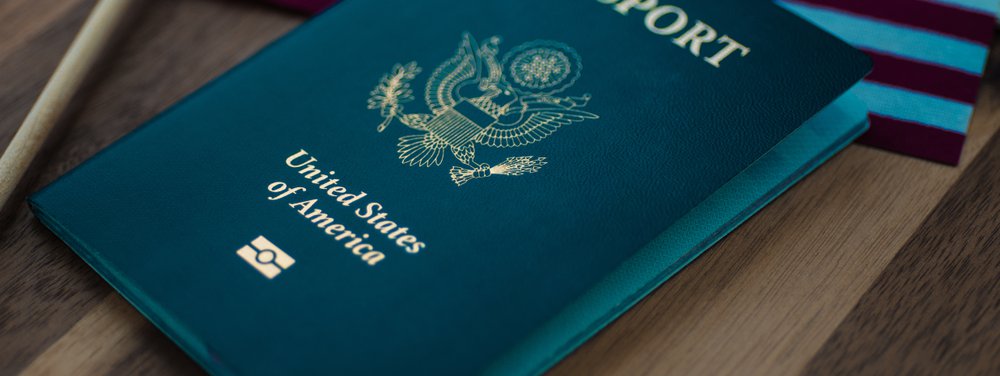
While President Donald Trump has that European nations should take back their own citizens, he has been mute on the issue of Muthana. Secretary of State Mike Pompeo put out a in February, declaring that Muthana is not a U.S. citizen due to her father鈥檚 Yemeni diplomatic status at the time of her birth. But Muthana鈥檚 father gave up his diplomatic status four months before she was born on American soil. Furthermore, Muthana has had two American passports, including the one that she used to travel to Syria to join ISIS in the first place.
During interviews with ABC News and via her lawyer, Muthana has stated that, for everything from providing material support to terrorist groups to treason, she鈥檚 ready to face whatever criminal charges would await her once she鈥檚 back. She just wants to be back.
But while the debate so far has centered largely on the legality and morality of Muthana returning, there has been less attention paid to the practical fact that the U.S. justice system simply doesn鈥檛 have the resources and infrastructure necessary to deal with an ex-ISIS fighter.
For one thing, we don鈥檛 know if Muthana is still radicalized. Is she genuinely remorseful for having joined ISIS? For her actions once she was a part of the group?
Based on my personal experiences working with more than a dozen former jihadists and interviewing fighters from Hezbollah, ISIS, and the Taliban, I鈥檓 skeptical. She was so committed to ISIS that she took the initiative to go across the Atlantic and make her way to ISIS territories. That took strategic planning and an enormous amount of dedication. Once she arrived, she spent the majority of her young adult life under ISIS ideology, and bore witness to some of the world鈥檚 most inhumane atrocities.
Moreover, there鈥檚 nothing in her statements that signals that she no longer believes in the ideology. She simply says that there were some actions, such as selecting a husband from a list, that were, in hindsight, 鈥渋nsane.鈥� She mostly painted herself as a victim. But a victim doesn鈥檛 an 8,000-mile trip and stay under ISIS for years. And the first step toward deradicalization is accepting responsibility for the part you played.
More fundamentally, the U.S. justice system doesn鈥檛 have a formal structure for measuring the radicalization level of someone. Neither does it have a formal deradicalization and reintegration program. If Muthana were to come back, it means that she would have to be in solitary confinement for fear that she鈥檇 radicalize other prisoners. She may even become a target to other prisoners. Beyond the astronomical cost of solitary confinement, when would鈥攕hould鈥攖he system let her out, and how ought it measure whether she remains a threat to public safety?
And second, once Muthana serves her jail sentence, how would she be re-integrated into society? Not only would she likely be ostracized by society in the broadest sense; the fact that she鈥檇 also be a felon would mean that she鈥檇 have a hard time finding a livelihood. Would that marginalization re-radicalize her, or force her into criminal activities?
Crucially, despite what Muthana has done, it鈥檚 important that her baby come to the United States. If he鈥檚 left behind, he himself may eventually be radicalized, or at the very least face the attendant stigma of his mother鈥檚 ISIS status. In addition, terrorist groups can spin the story as one of U.S. hypocrisy: Though we claim to care about helping others, how could we leave a baby behind when that baby鈥檚 closest relatives are already in the United States?
On top of that, by leaving him in Syria or Iraq, the baby would have almost no chance at securing a normal life, given that he鈥檇 have an ISIS birth certificate, which isn鈥檛 recognized by either central government. Without a proper, officially recognized form of identification, these children can鈥檛 receive federal benefits or even go through the numerous checkpoints across the country. (Plus, when Muthana said that she鈥檚 willing to go to jail in the U.S. for her crimes, she essentially agreed to being separated from her son. Indeed, her son is better off being raised by his grandparents in Alabama.)
In other words, his mother is a criminal, but he isn鈥檛. And he shouldn鈥檛 bear the burden of her scarlet letter.
The legal and ethical case of whether Muthana should return will continue to rage on. What shouldn鈥檛 be lost in the conversation is how her case reveals the glaring lack of infrastructure and resources in the United States to receive radicalized people. We, as a society, have always kicked that issue down the road, saying that we鈥檒l create the resources once the need arises. Well, now it鈥檚 time鈥攑ast time, in fact鈥攖hat we confront the thorny issue of deradicalization head on.
More 麻豆果冻传媒 the Authors
Issues
Programs/Projects/Initiatives
Related

AFRICOM Confirms 63 Strikes in Somalia in 2026

Operationalizing Imagination

The Iran War: 10 Key Questions for Understanding the Current Moment
